Choosing the Right Terrain for Remote Wilderness Camping

The sun dips below a jagged ridgeline, casting long, violet shadows across a valley that looks nothing like the maps you studied back in the city. You've reached your intended waypoint, but the ground under your feet is a chaotic mess of loose shale and thorny scrub. A tent pitched here won't just be uncomfortable; it'll be a nightmare to defend against the wind. Choosing a campsite isn't about finding a pretty view—it's about reading the ground to ensure your gear survives the night. This post looks at how to identify stable, safe, and practical ground in various remote environments.
When you're deep in the backcountry, your choice of terrain dictates everything from how well you sleep to how much energy you'll have for the next day's hike. A bad site choice can lead to soaked gear from unexpected runoff, or worse, a dangerous situation if a storm rolls in. You need to look beyond the immediate surface and consider the broader environment. Are you in a drainage area? Is the slope too steep for your sleeping pad? These are the questions that separate a successful expedition from a miserable, sleepless night.
What makes a campsite safe in high altitude environments?
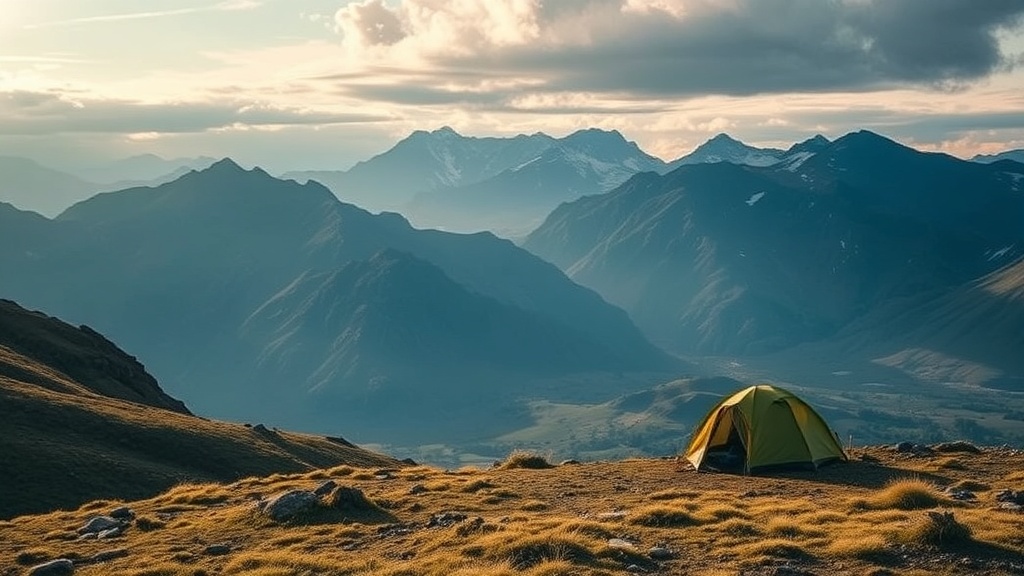
High-altitude terrain is notoriously fickle. You might find a flat patch of ground that looks perfect, but a closer look reveals it's a dry creek bed or a glacial moraine. These areas are prone to sudden changes. If a storm hits, those dry beds become torrents of water in minutes. You'll want to stay well above the drainage lines. Even if the ground looks dry, avoid the lowest points in a basin. Cold air settles in these hollows, creating a natural refrigerator effect that can suck the heat right out of your sleeping bag.
Wind is the other massive factor at altitude. Even a moderate breeze can turn a tent into a sail if you've pitched it on a ridge or an exposed plateau. Look for natural windbreaks like large boulders or dense thickets, but don't rely on them too heavily. A single gust can snap a carbon fiber pole if the tension is wrong. According to the National Park Service, staying aware of your immediate surroundings and understanding the local topography is a fundamental part of wilderness safety. Always check the wind direction before you start staking down your gear.
Surface stability is also a major concern. In alpine zones, you'll often find scree or talus—loose, broken rock that shifts under weight. Never pitch on scree. You'll spend the whole night adjusting your position as the rocks move, and your tent stakes will never hold. Look for more consolidated surfaces like packed dirt or large, flat-topped rocks that won't shift under pressure.
How do I find stable ground in desert wilderness?
Desert camping requires a different set of eyes. While you don't have to worry about the same level of wind-chill as the mountains, you have to deal with heat and unpredictable flash floods. Desert washes and arroyos look like perfectly flat, easy places to set up camp, but they are essentially riverbeds waiting for a reason to exist. A storm fifty miles away can send a wall of water through a desert canyon without any warning. Always pitch your camp on higher ground, away from the edges of washes.
The ground itself in desert regions can be incredibly harsh on gear. Sand, fine silt, and abrasive grit can find their way into every zipper and seam of your tent. If you're camping in an area with heavy sand, try to find a spot with some minimal vegetation or a slight depression that can shield your tent from the wind-blown grit. Vegetation can also be a trap; many desert plants have thorns or are highly irritating to the touch. Always clear your site of debris, but do so with respect for the local ecosystem.
Temperature swings in the desert are extreme. You might start the evening in eighty-degree heat and wake up to a freezing morning. This means your tent needs to be breathable to prevent condensation, but also capable of holding in a bit of warmth. If you're looking for more detailed information on desert ecosystems and how to respect them, the National Park Service desert pages offer great context on the fragile nature of these environments.
Where should I avoid pitching a tent in forested areas?
Forests offer plenty of shelter, but they also present a unique set of hazards. The most significant one is the "widowmaker." This is a term used by experienced woodsmen to describe dead branches or entire trees that are poised to fall. Before you even unroll your sleeping pad, look up. If there is a dead limb hanging precariously above you, move. It doesn't matter how much you love the shade; a falling limb can be fatal. This is especially true during high winds or after a heavy rain when the weight of the water makes limbs more likely to snap.
Another issue in forested terrain is the root system. It’s tempting to find a flat spot between two large trees, but the roots can make for a very bumpy night and can even damage your tent's floor. Furthermore, tree roots can be a tripping hazard in the dark. If you must camp near trees, ensure you aren't directly under the drip line of a heavy canopy, as this can lead to a soaked tent during a light drizzle. The ground under a dense canopy is often damp and soft, which might be great for your feet but terrible for your gear's dryness.
Avoid the soft, loamy ground found in deep forest-floor depressions. These areas stay damp much longer than the surrounding terrain, and they are prime real estate for insects and other critters. A damp tent floor is a recipe for a miserable experience. Aim for slightly elevated, well-drained areas where the soil is firmer and less prone to holding moisture.
| Terrain Type | Primary Risk | Best Practice |
|---|---|---|
| Alpine/High Altitude | Wind & Cold Sinks | Stay above drainage basins |
| Desert/Arid | Flash Floods | Avoid wash edges and arroyos |
| Forest/Woodland | Widowmakers (Dead wood) | Look up before pitching |
The goal is to become a student of your environment. Instead of just looking for a flat spot, learn to read the subtle signs of the land. A small indentation in the ground might look like a perfect bed, but it's likely a drainage path. A patch of very lush, green vegetation might look inviting, but it's often a sign of a high water table or a seasonal stream. By understanding these cues, you'll find much better sites and have much more enjoyable adventures.