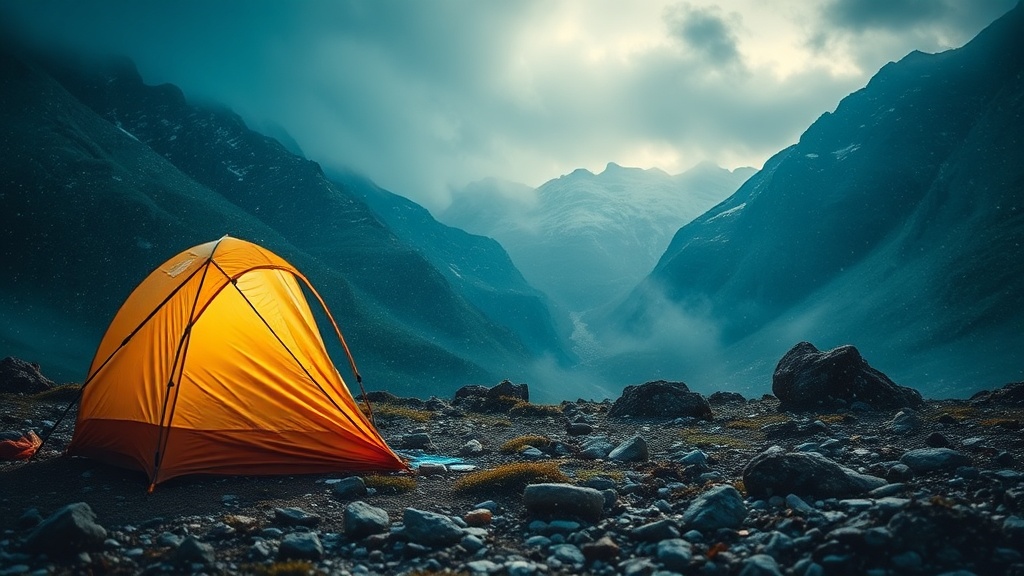
Dry Your Gear Quickly in Damp Climates

Quick Tip
Always use your body heat and small controlled heat sources to gently dry essential gear during damp weather.
Ever wondered why your sleeping bag feels damp even when it hasn't rained? In high-humidity environments or damp forests, moisture management becomes a constant battle that can affect your comfort and gear longevity. This post breaks down the most effective methods for drying out your gear when the air is heavy and the sun isn't out to help.
How Can I Dry Wet Camping Gear Quickly?
The fastest way to dry gear in damp conditions is to use a combination of airflow and heat sources while keeping items separated. If you're stuck in a tent, don't just pile everything together—that's a recipe for mold. Instead, hang items up and ensure there is space between them for air to move.
If you have a camp stove, you can use it to warm a pot of water to create a bit of localized humidity (though be careful not to get your gear too close to the heat source). A more reliable method involves using a small, battery-powered fan or even just manual airflow. If you're at a campsite with a vehicle, some people even use the heater from their car to dry out boots or gloves. It's a bit of a hack, but it works when you're desperate.
For heavy-duty items like a Patagonia Nano Puff or a heavy down parka, avoid high heat at all costs. High heat can damage the synthetic insulation or the delicate outer shell. Instead, focus on gentle, consistent movement of air.
What Are the Best Tools for Drying Gear?
The best tools for drying gear depend on your budget and how much weight you can afford to carry in your pack. Some gear is designed specifically to handle moisture, while other items require manual intervention.
- Dry Bags: Essential for keeping gear dry in the first place. Brands like REI offer various sizes to protect your electronics and dry clothes.
- Silica Gel Packets: Toss these into your electronics case or your sleeping bag storage bag to absorb residual moisture.
- Portable Fans: A small, rechargeable fan can circulate air inside a tent to prevent condensation buildup.
- Microfiber Towels: These are much better at absorbing moisture from skin and gear than cotton towels.
It’s worth noting that your choice of gear matters. Synthetic insulation generally dries much faster than down in high-humidity environments. If you find yourself frequently in damp climates, you might want to prioritize synthetic-fill clothing over down. It's a trade-off between warmth-to-weight ratio and moisture resilience.
Does Humidity Affect My Sleeping Bag?
Yes, high humidity can cause your sleeping bag to lose its loft and feel damp due to condensation. When warm, moist air hits the cold surface of your gear, it turns into liquid. This is a common issue during high-altitude trekking where temperatures drop rapidly at night.
| Gear Type | Drying Speed | Best Method |
|---|---|---|
| Synthetic Jacket | Fast | Airflow/Fan |
| Down Sleeping Bag | Slow | Gentle Air/Low Heat |
| Cotton Clothing | Very Slow | Avoid in damp climates |
| Synthetic Base Layers | Moderate | Hang with space between |
Keep your gear off the ground. Using a sleeping pad or a raised cot provides a thermal barrier, which helps prevent the dampness from the earth from seeping into your bedding. If you're camping in a wet environment, treat your gear with respect—don't let it sit in a heap at the bottom of your pack.