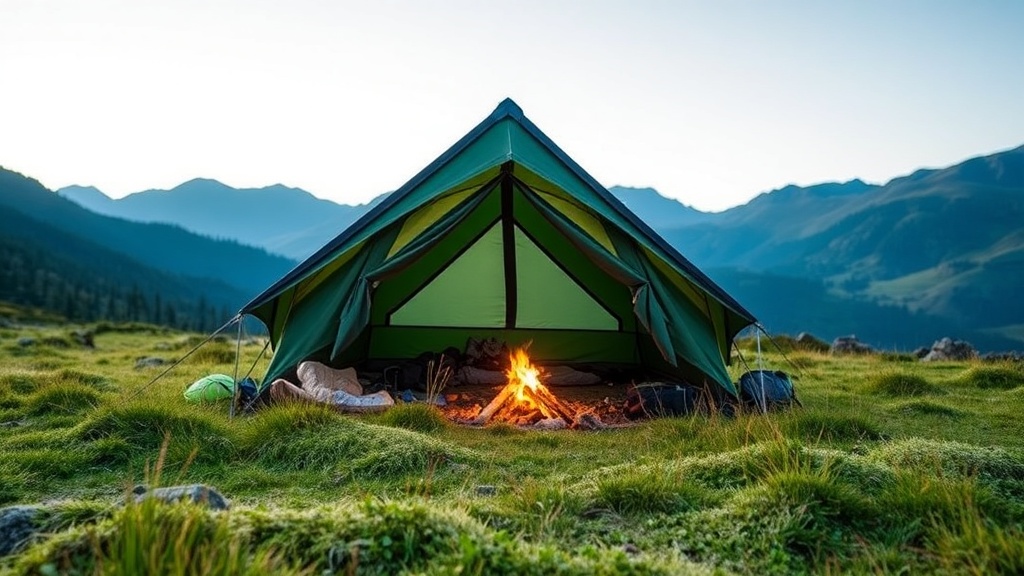
Essential Gear and Safety Tips for Unforgettable Wild Camping Adventures

Introduction
Wild camping offers a liberating escape from urban life, immersing adventurers in untouched nature. However, it comes with unique challenges that require proper preparation, knowledge, and respect for the environment. This guide explores essential gear, safety considerations, and techniques to ensure your wild camping experience is both safe and memorable.
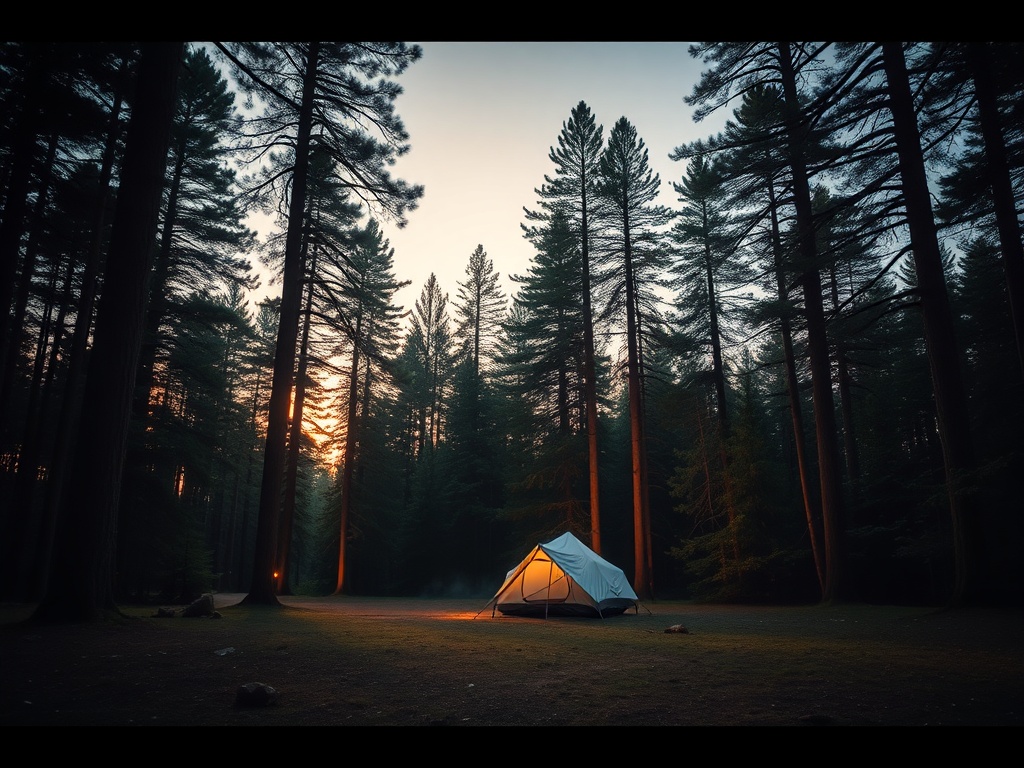
Choosing the Right Campsite
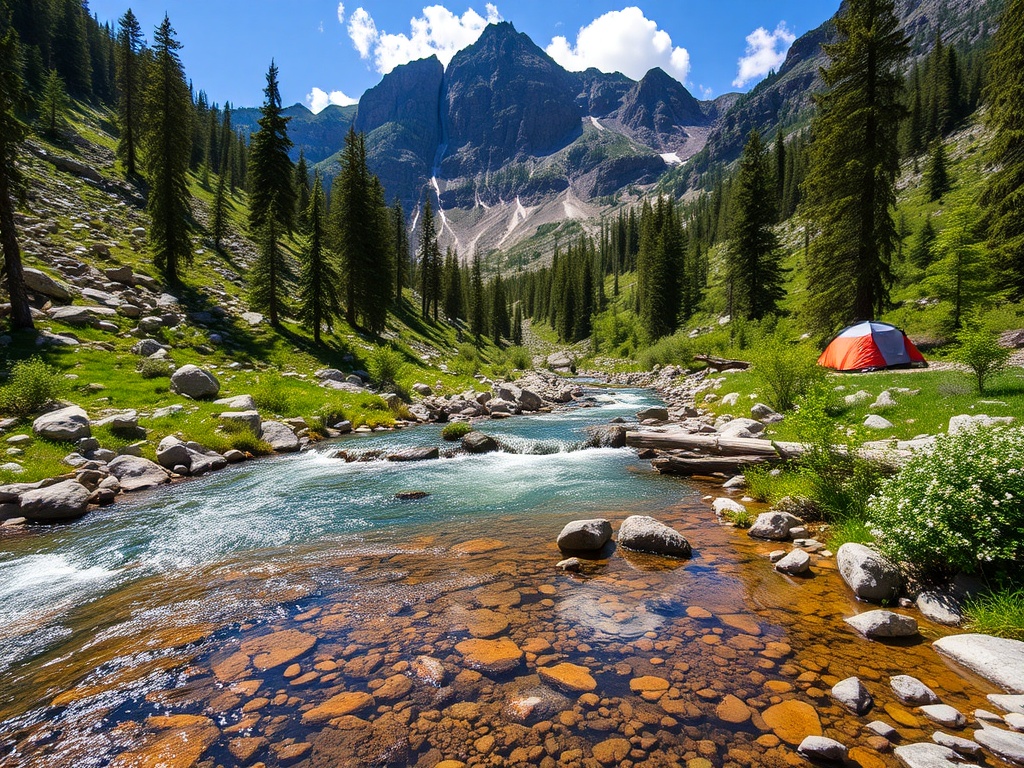
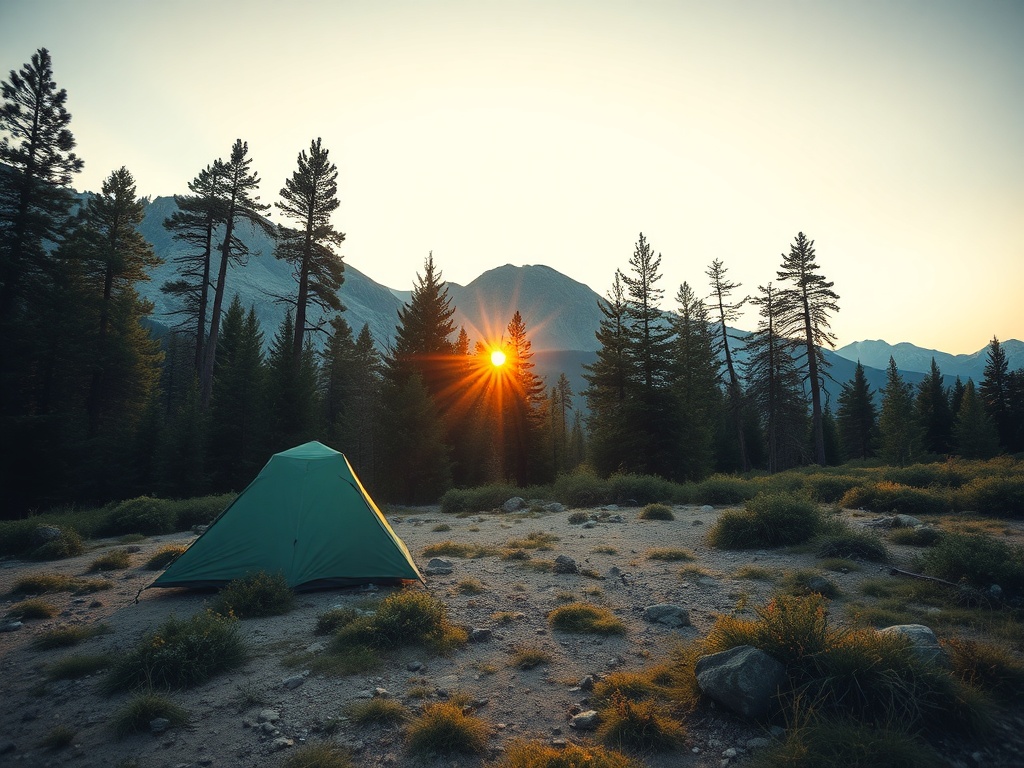
Selecting a campsite in the wild isn't just about finding a flat spot. Consider proximity to water sources, natural windbreaks, and the environmental impact of your stay. Avoid fragile ecosystems and always follow Leave No Trace principles. Remember, a well-chosen campsite can enhance safety, comfort, and your overall enjoyment.
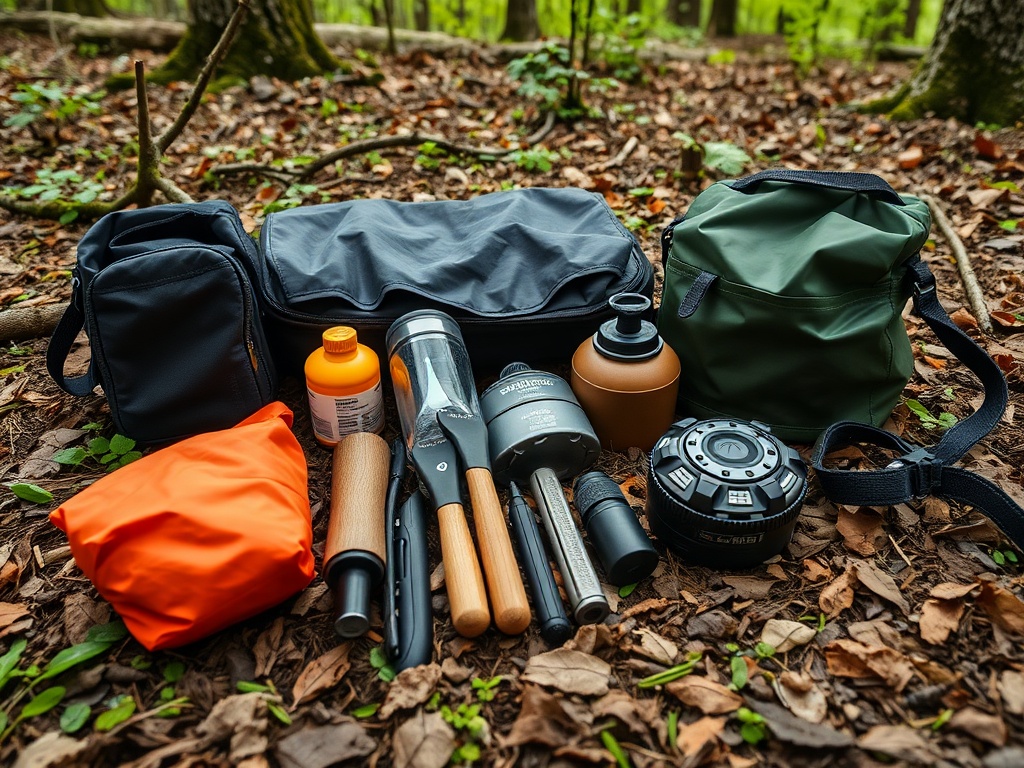
Essential Gear for Wild Camping
Quality gear is paramount. Here's what you'll need:
- Tent: Lightweight, durable, and weather-resistant.
- Sleeping System: Sleeping bags rated for the temperatures you expect, plus a compact sleeping pad for insulation.
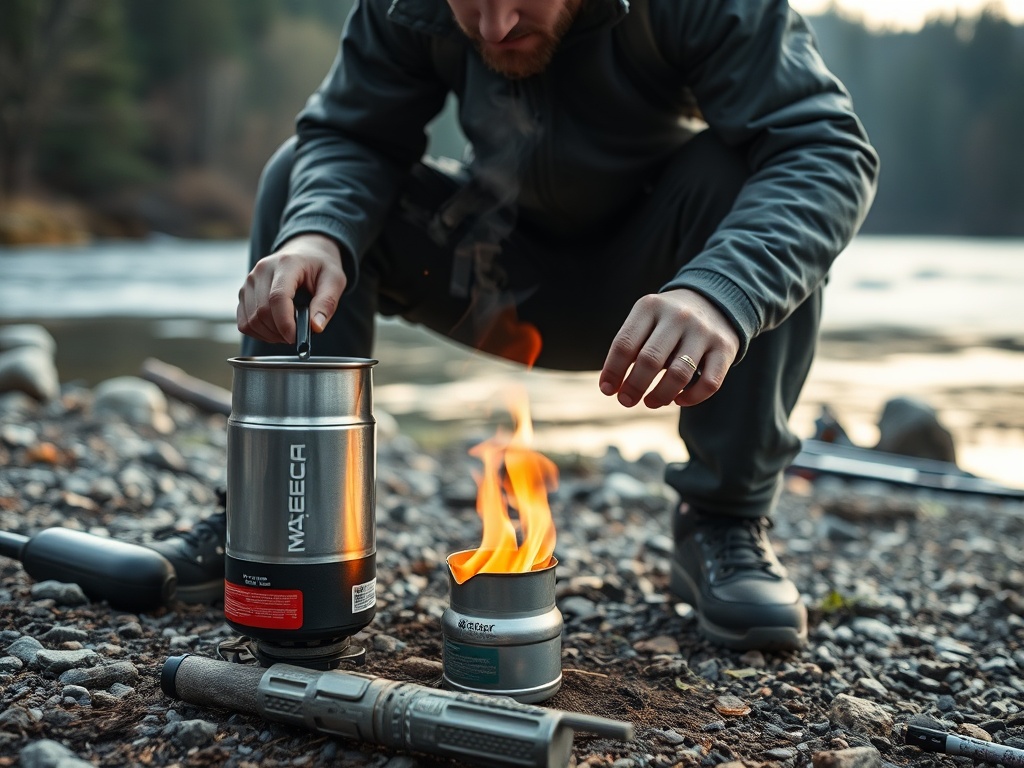
- Cooking Equipment: Portable stoves, fuel, lightweight cookware, and biodegradable cleaning supplies.
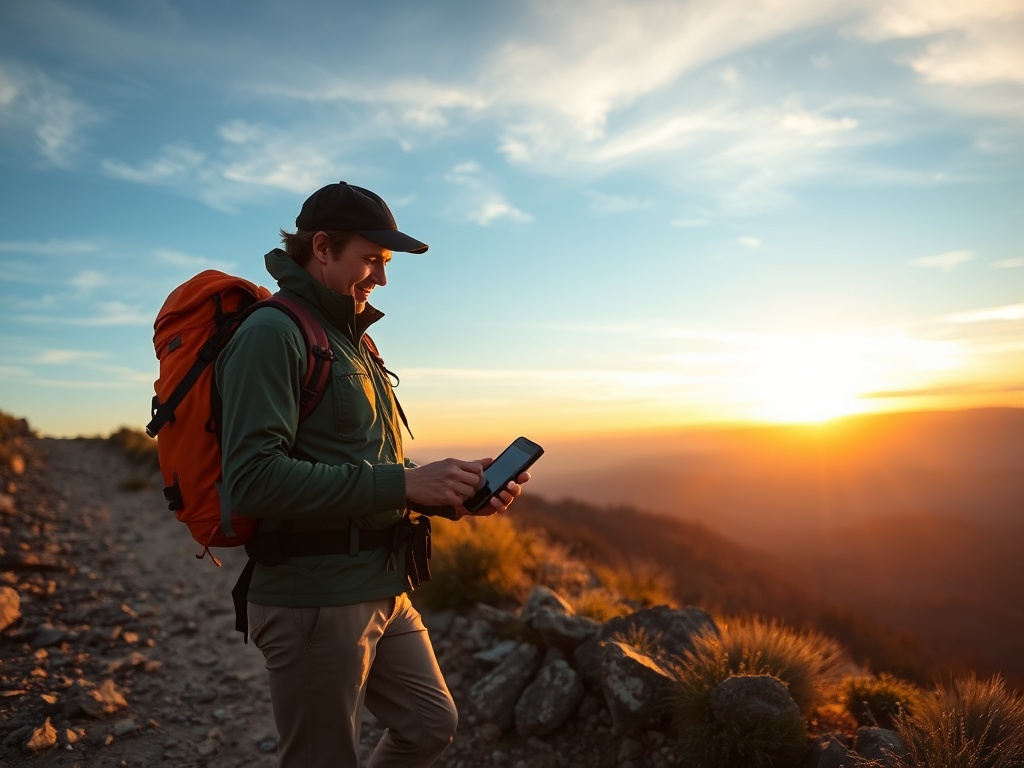
- Navigation: GPS device, compass, and maps for orientation.
- Clothing: Moisture-wicking layers, insulating layers, and waterproof outerwear.
- Safety Kit: First aid kit, headlamp with extra batteries, multi-tool, whistle, and emergency shelter.
Food and Water Management
Plan meals that are high in energy and lightweight. Use resealable bags to minimize waste. Water is critical—always carry purification tablets or a portable filter. Monitor your hydration carefully, especially in hot or dry climates, and know how to locate water sources responsibly without disturbing wildlife.
Safety and Navigation Tips
Wild camping inherently involves risk, so preparation is key. Always inform someone of your itinerary. Familiarize yourself with terrain, potential hazards, and weather forecasts. Use reliable navigation tools, avoid overestimating your abilities, and recognize early signs of fatigue or exposure. Emergency signaling devices can be lifesaving if needed.
Environmental Responsibility
Preserving nature is essential. Pack out all waste, minimize campfire impact, and respect wildlife. Stay on established paths when hiking to your site. Wild camping is a privilege, not a right, and sustainable practices ensure that future adventurers can enjoy pristine wilderness areas.
Conclusion
With careful planning, respect for nature, and the right gear, wild camping can offer unparalleled experiences. By prioritizing safety, sustainability, and preparedness, you ensure that your journey into the wild is both thrilling and responsible. Embrace the solitude, the challenge, and the beauty that wild camping offers.