Essential Wild Camping Tips and Destinations for Adventure Seekers

Discovering the True Freedom of Wild Camping
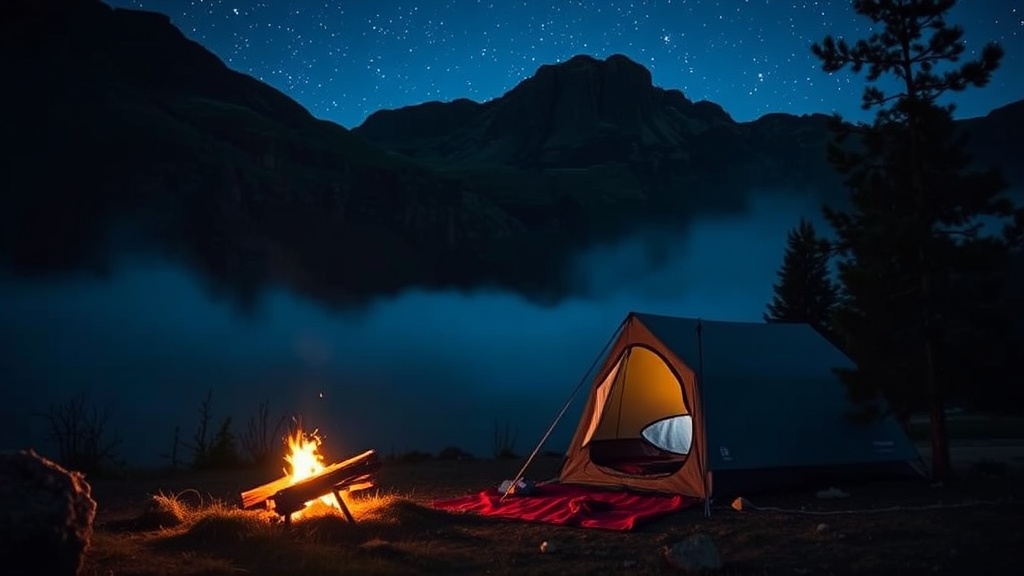
Wild camping offers an unparalleled sense of adventure. Unlike traditional campgrounds, you can immerse yourself in remote landscapes, sleeping under the stars with only nature as your companion. This freedom, however, comes with responsibilities and planning considerations to ensure safety, environmental respect, and a fulfilling experience.
Planning Your Wild Camping Adventure
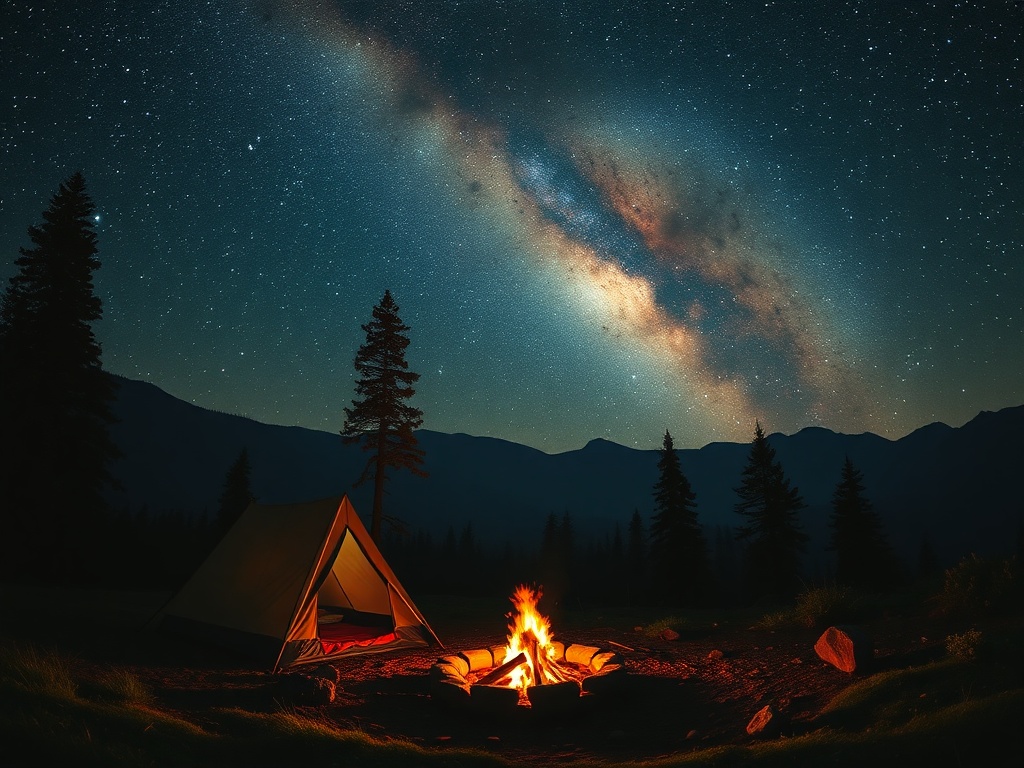
Effective planning is crucial. Start by researching potential destinations, considering factors such as terrain, weather patterns, wildlife, and accessibility. Choose a location suited to your skill level and group size. Always inform someone of your intended route and expected return, and carry the essential survival gear.
Top Wild Camping Destinations
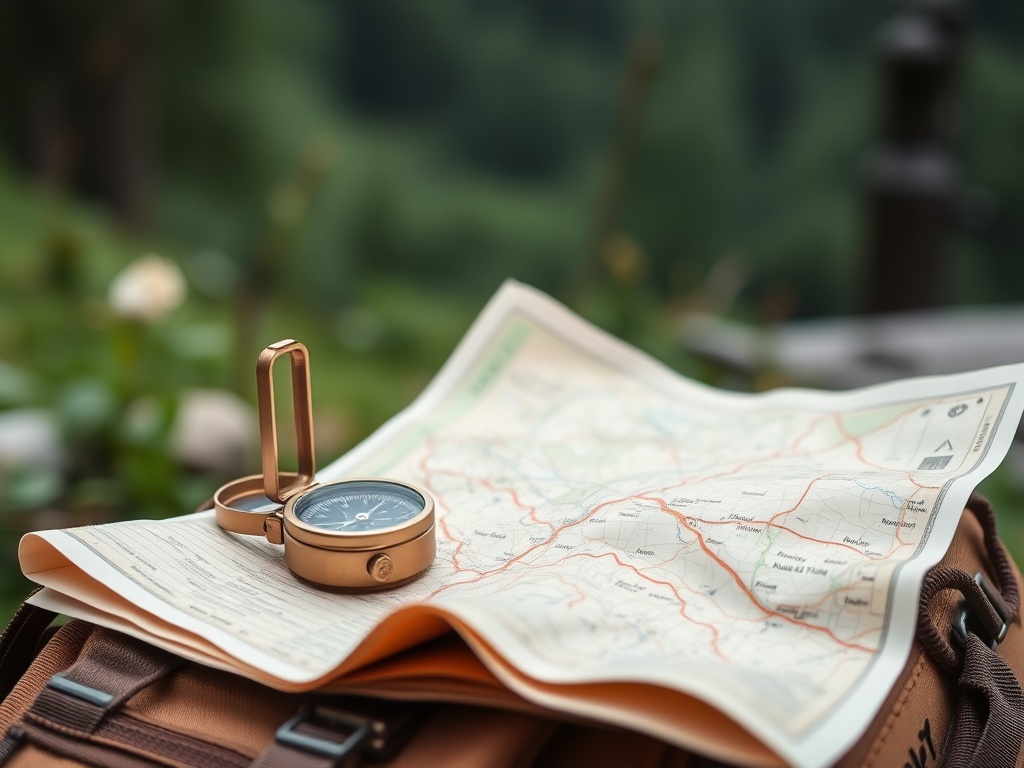
1. Scotland Highlands: Rugged mountains and remote lochs make it a dream for experienced campers.
2. Patagonia, Argentina: Breathtaking glaciers and windswept plains offer an intense adventure.
3. Rocky Mountains, USA: Iconic peaks and diverse wildlife, ideal for extended trips.
4. Norwegian Fjords: Combine dramatic scenery with secluded camping spots.
5. New Zealand's South Island: Vast wilderness with trails that lead to pristine lakes and forests.
Essential Gear for Wild Camping
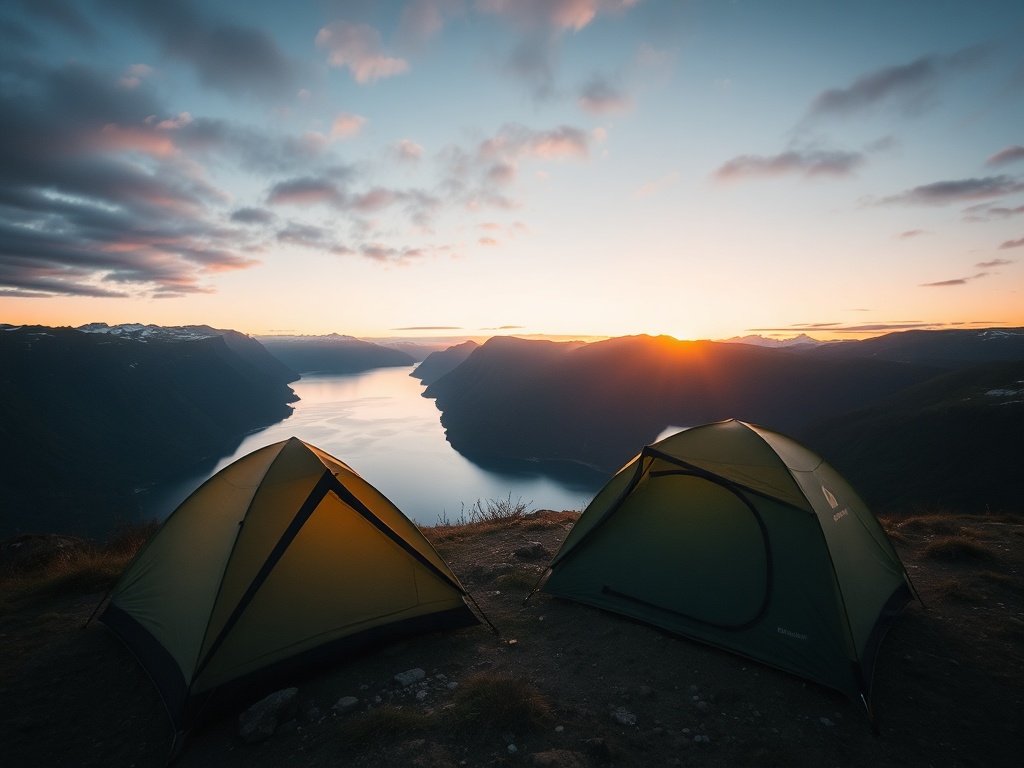
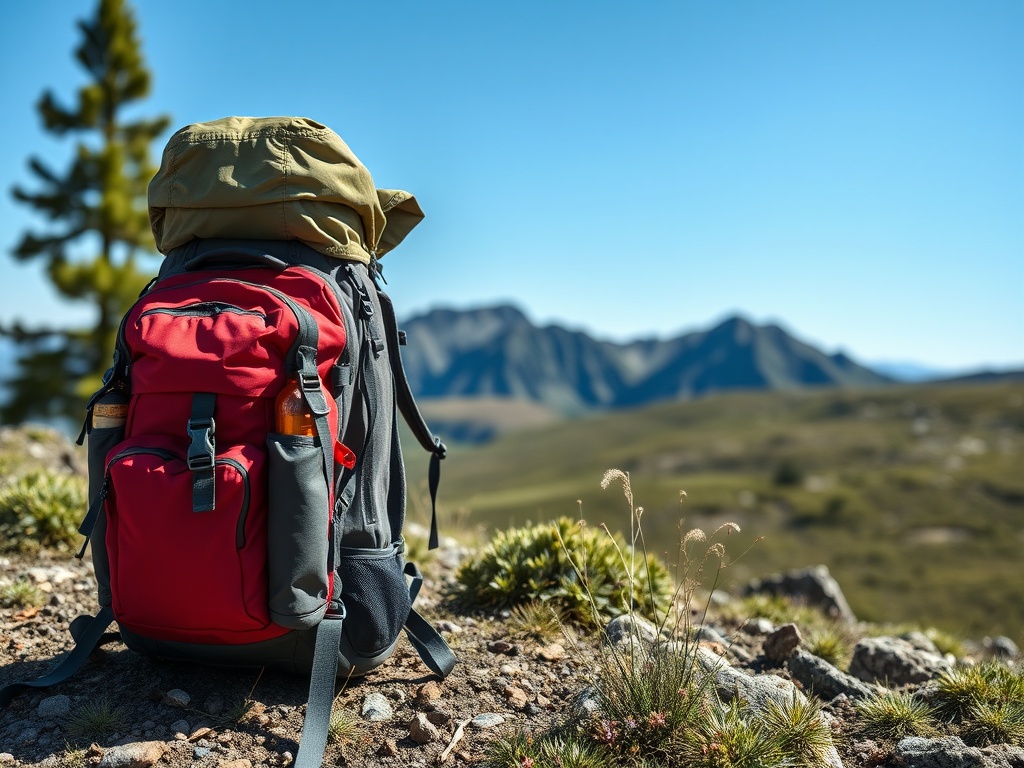
Quality gear can make or break your experience. Key items include a durable tent, sleeping bag rated for low temperatures, compact stove, water filtration system, and weather-appropriate clothing. Don't forget first aid kits, navigation tools, and portable power for emergencies.
Safety and Environmental Responsibility
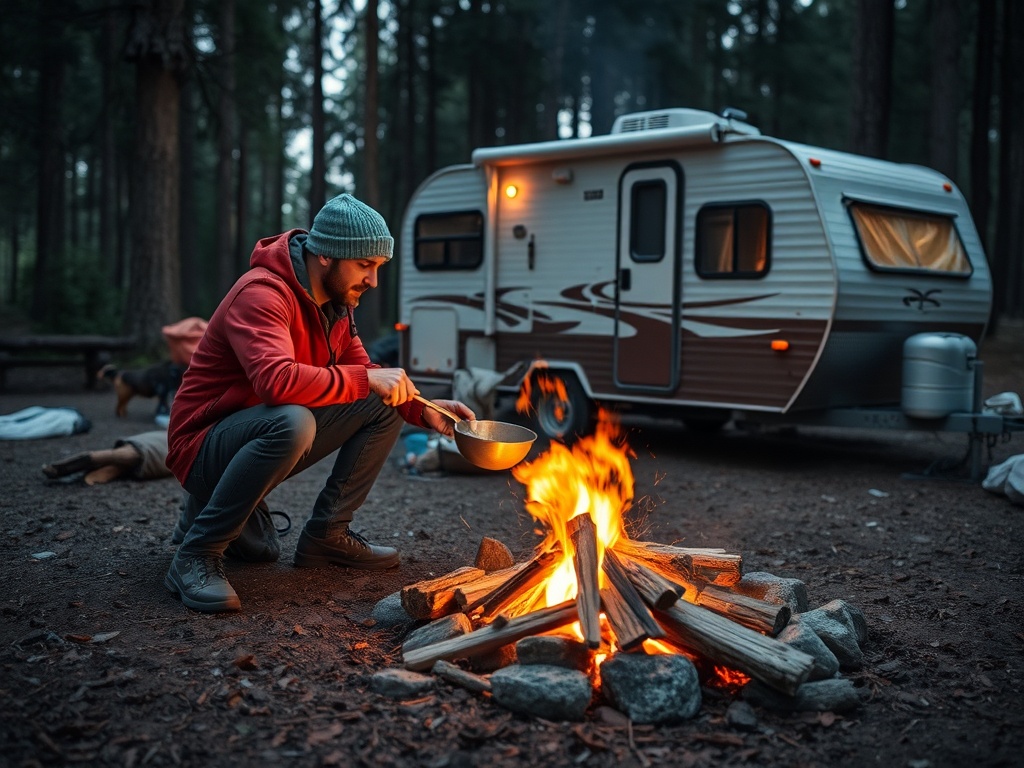
Respect for nature is paramount. Follow Leave No Trace principles: pack out all waste, avoid damaging vegetation, and keep campfires controlled. Be aware of wildlife, and store food safely to avoid attracting animals. Always carry a first aid kit and know basic survival skills.
Tips for an Unforgettable Experience
1. Travel light but be prepared for sudden weather changes.
2. Take time to enjoy the natural surroundings and disconnect from digital life.
3. Capture memories through photography, but avoid disturbing wildlife.
4. Plan for emergencies with clear communication and escape routes.
5. Share your experience responsibly, encouraging conservation-minded travel.
Conclusion
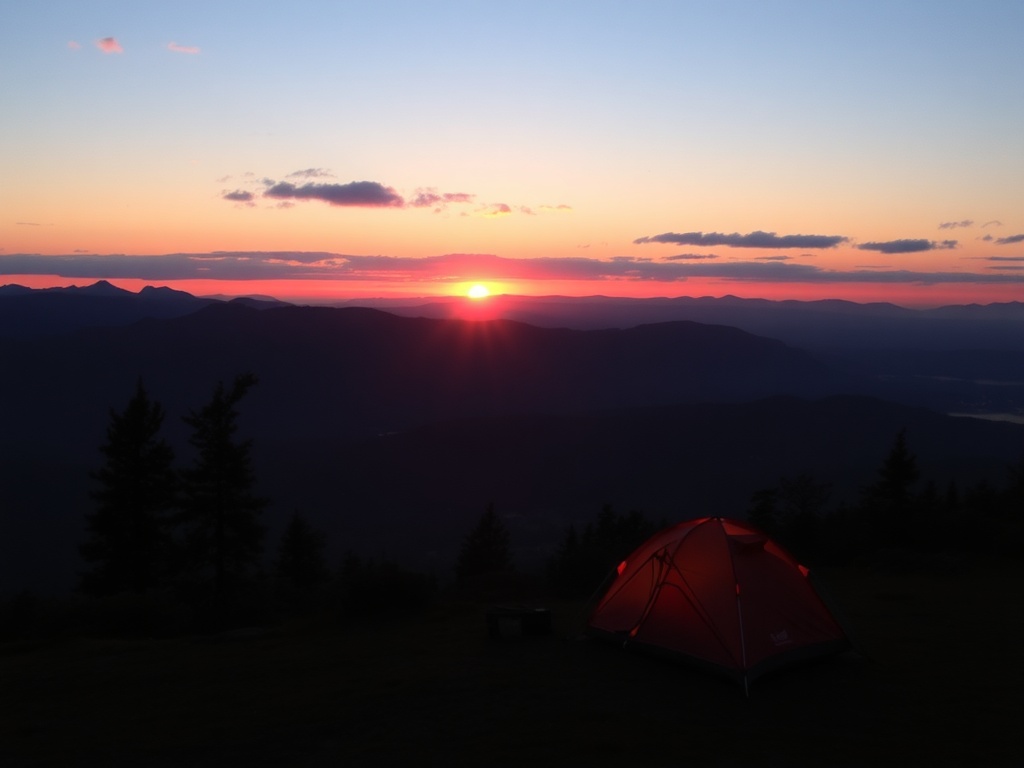
Wild camping is more than an outdoor activity—it's a chance to reconnect with nature, challenge yourself, and embrace simplicity. By planning carefully, respecting the environment, and prioritizing safety, every adventure can be memorable and transformative.