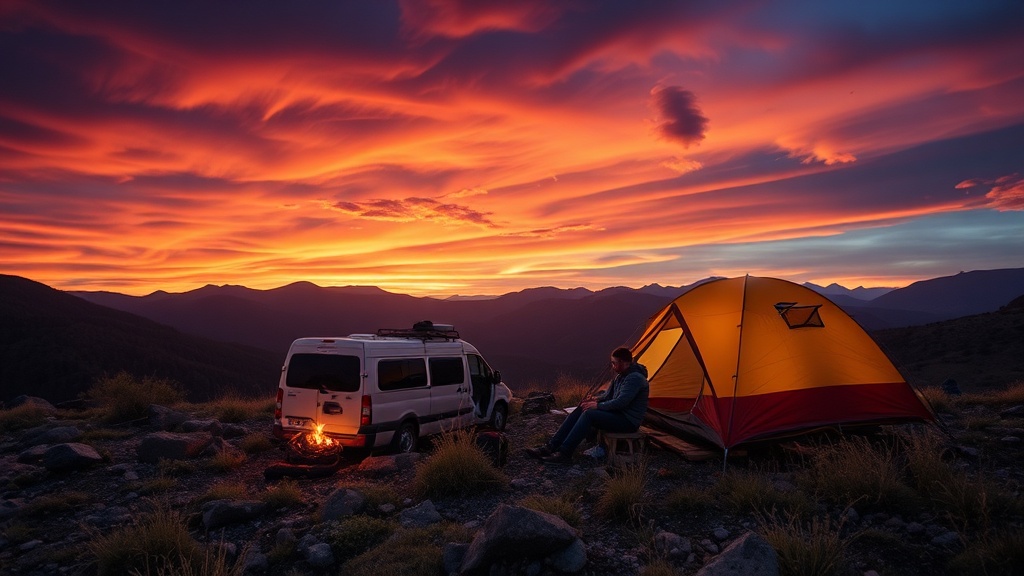
How to Wild Camp Responsibly: A Practical Guide for First-Time Adventurers

Wild camping sounds romantic until you realize how easy it is to do it badly. Torn ground, scattered trash, and noisy campsites are exactly why restrictions keep tightening. If you want to camp freely—and keep that freedom—you need to do it right.
This guide breaks down exactly how to wild camp responsibly, from choosing your spot to leaving no trace when you go. No fluff. Just what actually matters when you’re out there.
Step 1: Understand Local Rules Before You Go
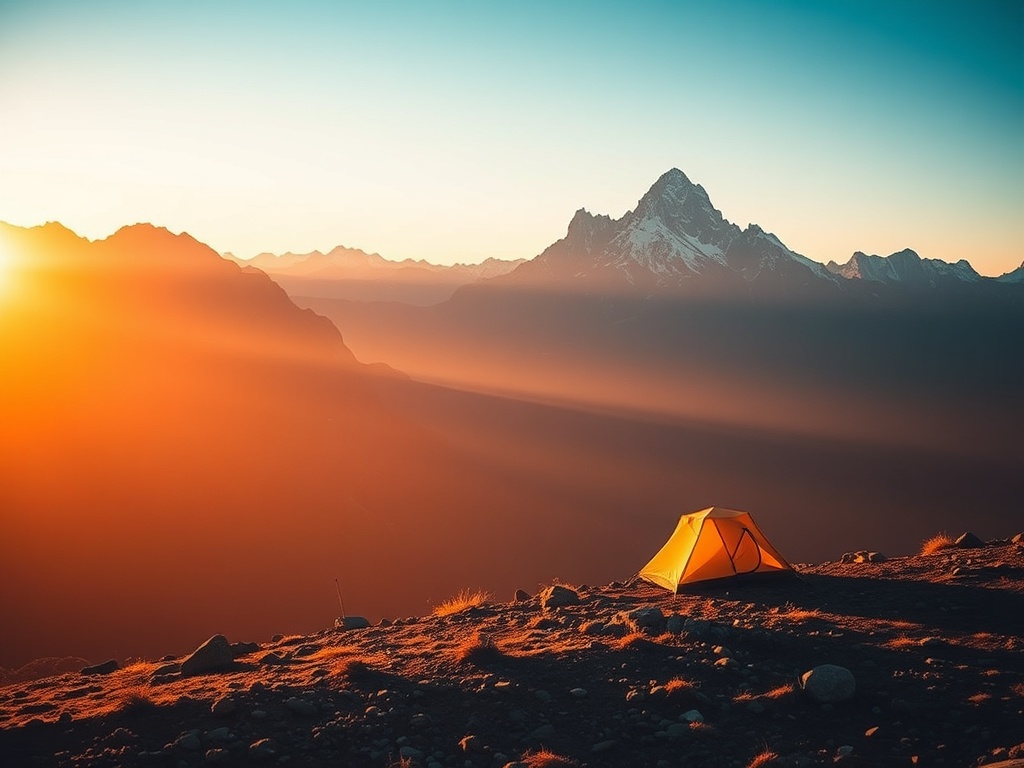
“Wild camping” isn’t a universal concept. In some places it’s tolerated. In others, it’s outright illegal. And in many, it exists in a gray zone where behavior matters more than rules.
Before you even think about packing, check:
- Whether wild camping is legal or tolerated
- Protected areas (national parks often have strict rules)
- Fire restrictions or seasonal bans
If you skip this step, you’re not adventurous—you’re just setting yourself up to get moved along at midnight.
Step 2: Choose a Low-Impact Campsite
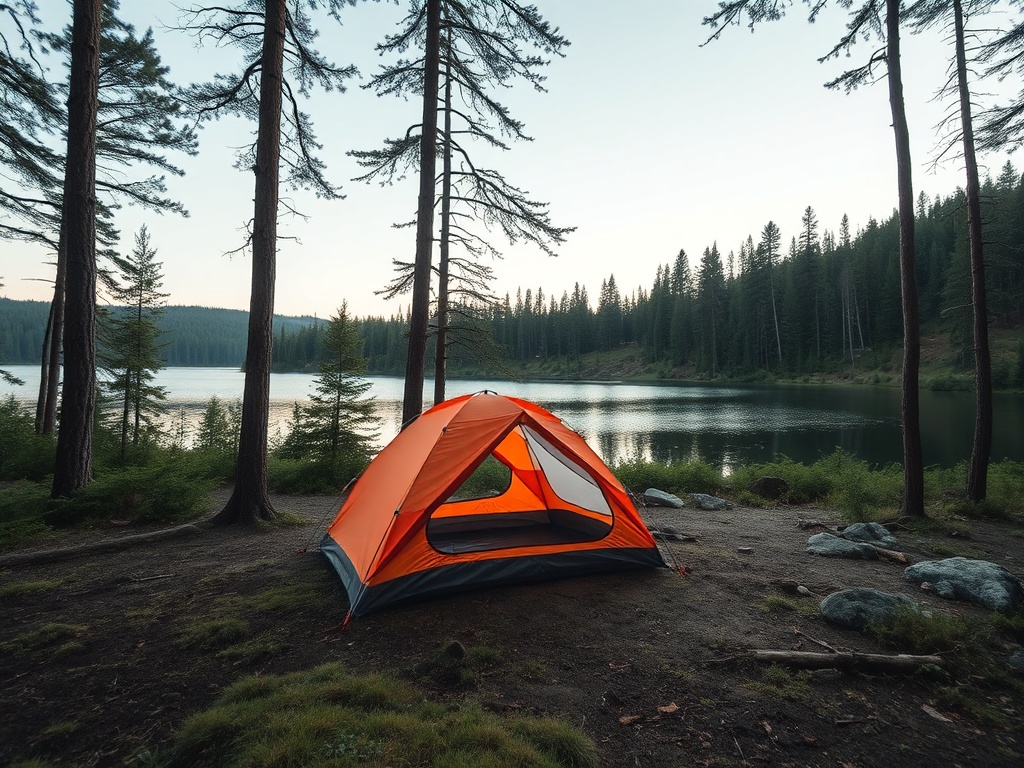
The biggest mistake beginners make is camping where it’s convenient instead of where it’s appropriate.
Look for a spot that:
- Is already slightly disturbed (avoid pristine ground)
- Is at least 60 meters from water sources
- Is hidden from trails and roads
- Has natural wind protection
A good campsite shouldn’t look like a campsite after you leave. If your presence is obvious, you chose poorly.
Step 3: Pack Like You Won’t Be Rescued
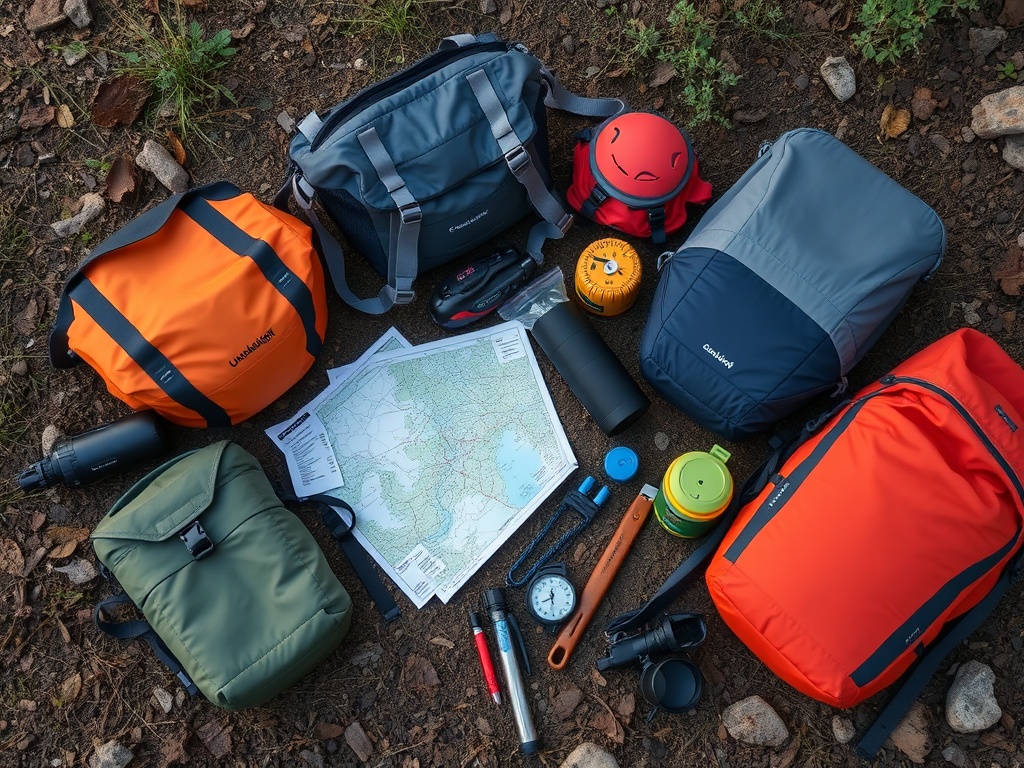
Wild camping strips away convenience. What you carry is what you get.
Your essentials should include:
- Reliable shelter (tent or bivy)
- Water purification system
- Weather-appropriate sleeping gear
- Headlamp and backup batteries
- Navigation tools (map + compass, not just your phone)
Overpacking makes the trip miserable. Underpacking makes it dangerous. Find the balance before you leave, not after you’re cold and wet.
Step 4: Arrive Late, Leave Early
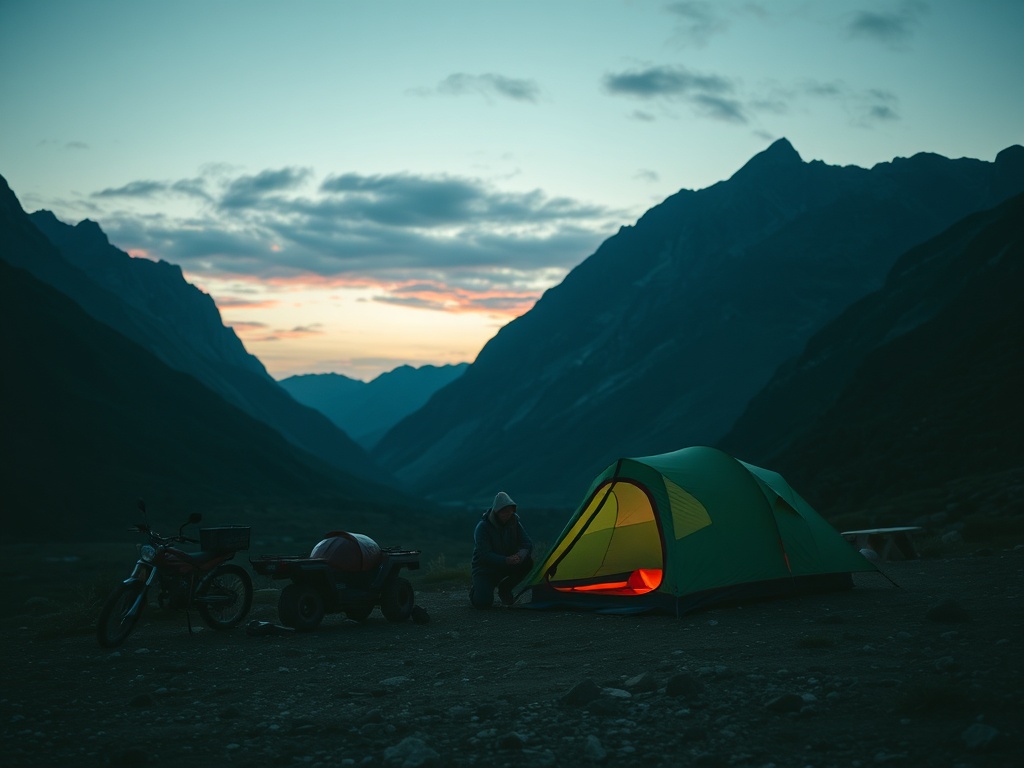
This is one of the unwritten rules of respectful wild camping.
Arriving late reduces your visual impact and avoids crowding shared spaces. Leaving early ensures you’re not turning a temporary stop into a semi-permanent campsite.
If you’re still lounging around at noon, you’re doing it wrong.
Step 5: Manage Waste Properly
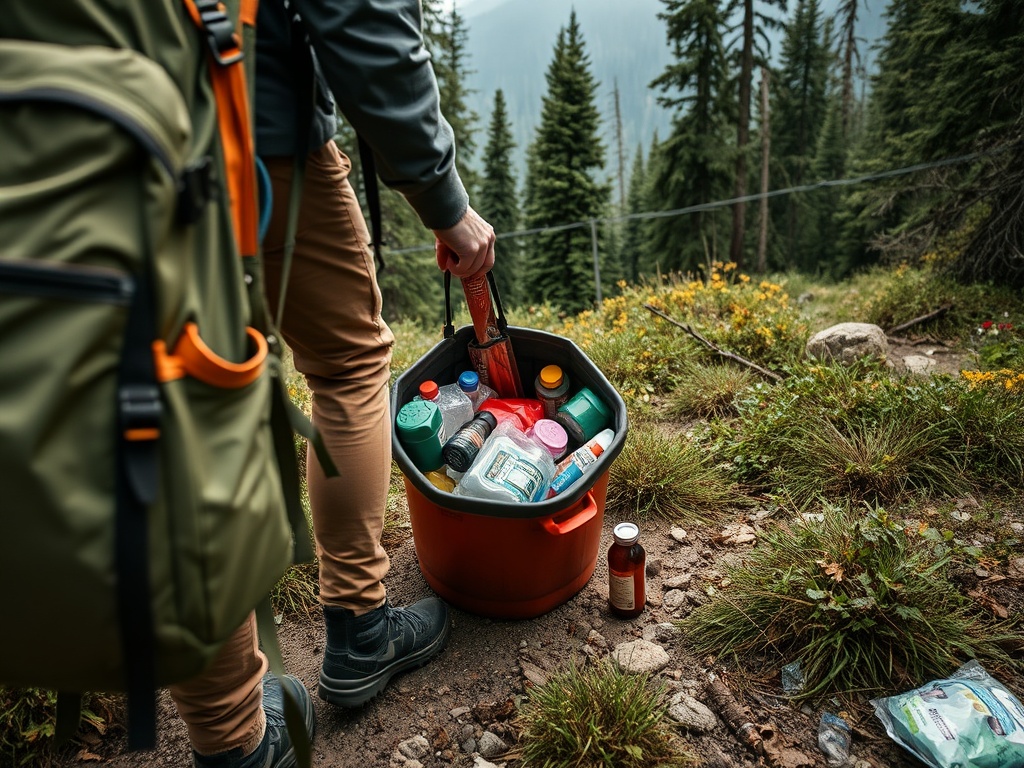
This is where most people fail—and where the damage adds up fast.
Follow these basics:
- Pack out all trash (yes, all of it)
- Use a trowel to bury human waste 15–20 cm deep
- Stay at least 60 meters from water when doing so
- Pack out toilet paper when possible
“It’s biodegradable” is the most overused excuse in the outdoors. It’s also usually wrong.
Step 6: Keep Fires Small—or Skip Them
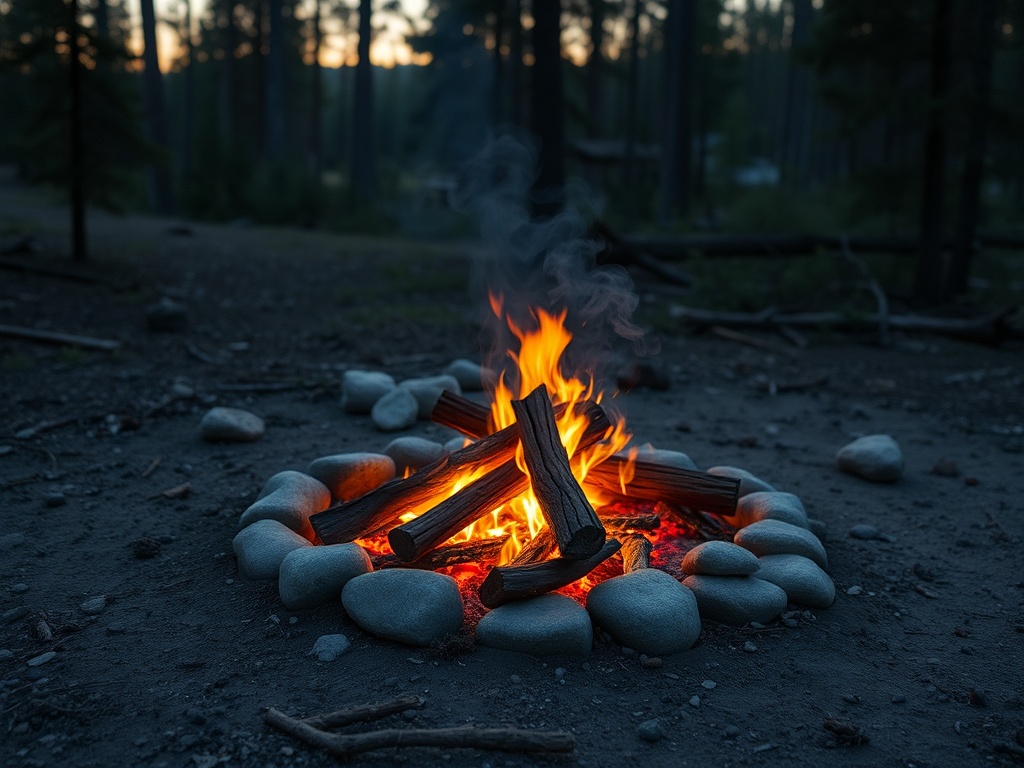
Campfires are where good intentions go sideways.
If fires are allowed:
- Use existing fire rings only
- Keep fires small and controlled
- Burn only dead, downed wood
- Fully extinguish before leaving
In dry regions or high-risk seasons, skip the fire entirely. A stove is faster, safer, and doesn’t leave scars on the landscape.
Step 7: Respect Wildlife and Silence
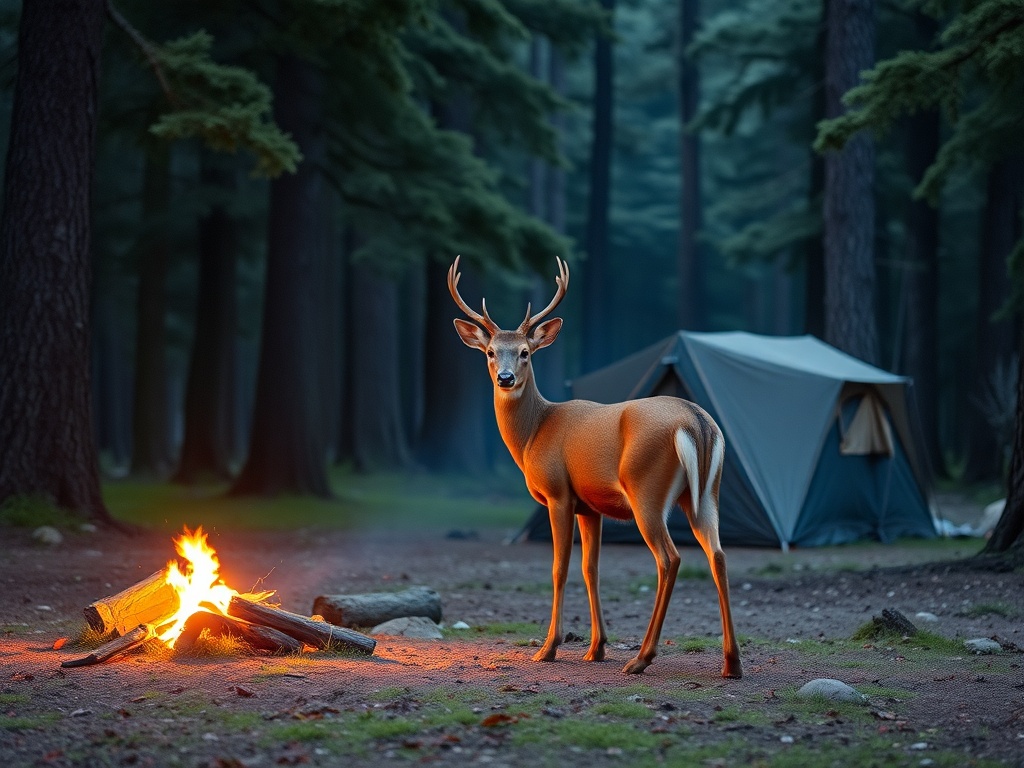
You’re a guest out there. Act like one.
That means:
- Store food securely away from your sleeping area
- Never feed wildlife
- Keep noise to a minimum
Loud music and shouting travel far in open landscapes. What feels like isolation to you might be someone else’s rare quiet moment.
Step 8: Leave No Trace—Actually Do It
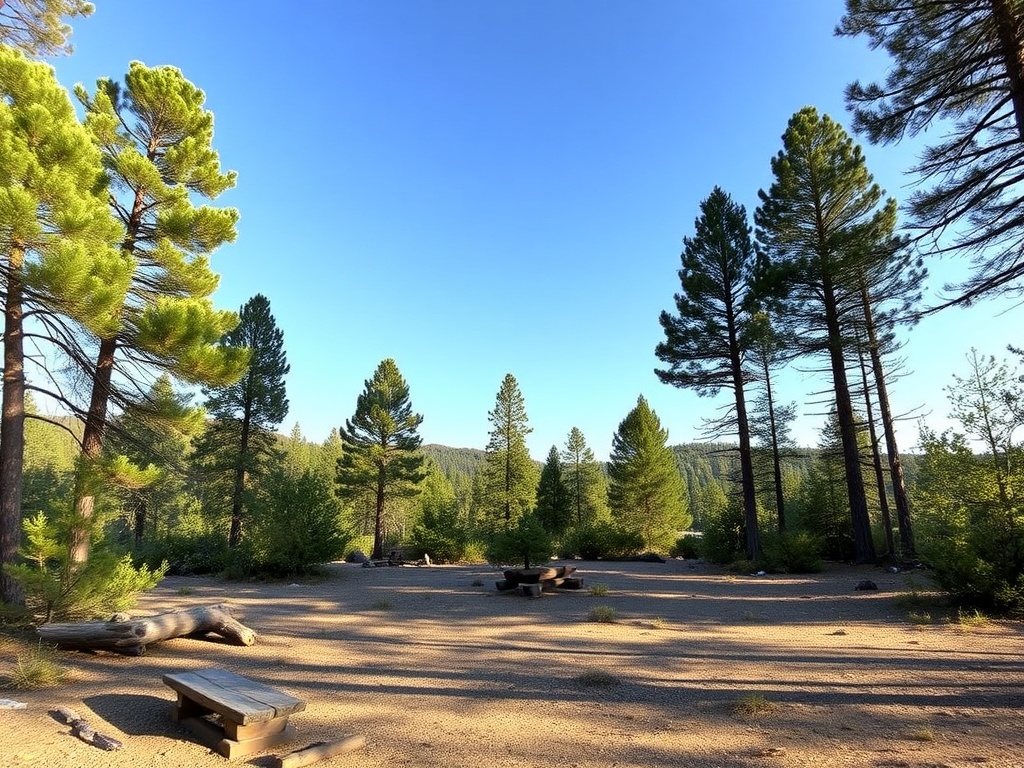
This isn’t a slogan. It’s a checklist.
Before you leave, scan your site carefully:
- Check for micro-trash (food scraps, wrappers)
- Brush out flattened grass where possible
- Dismantle any temporary structures
If someone can tell you were there, you didn’t finish the job.
Step 9: Know When Not to Camp
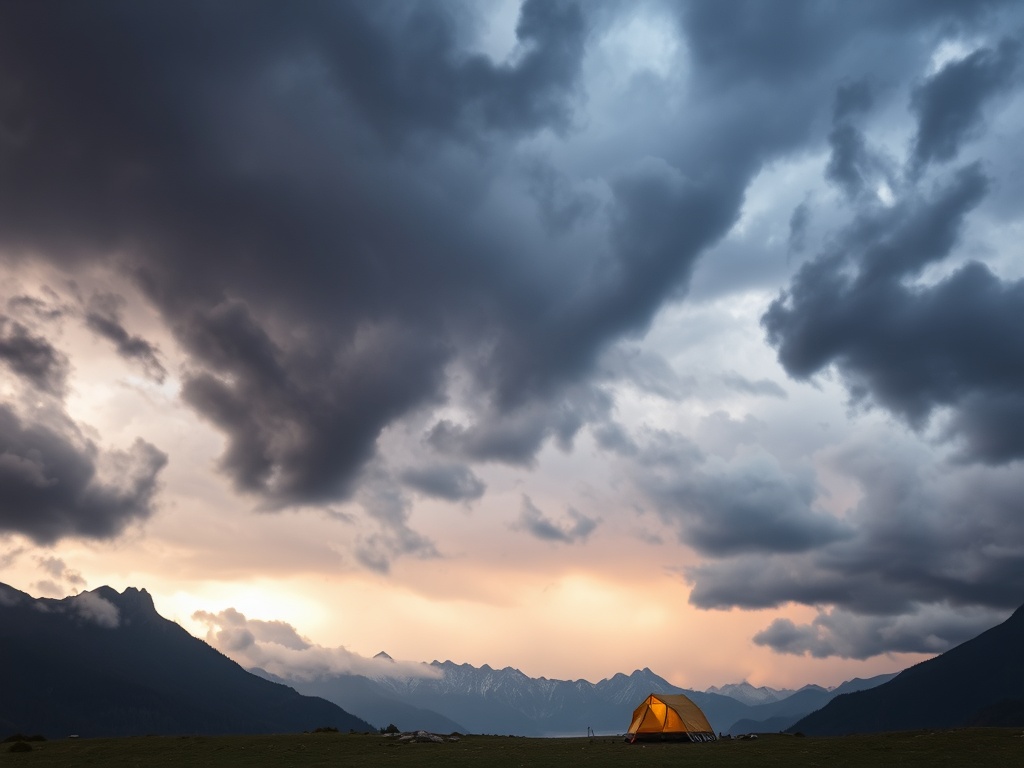
Sometimes the responsible choice is not camping at all.
Skip wild camping when:
- Weather conditions are dangerous
- The area is overcrowded or sensitive
- You’re unsure about regulations
Good judgment is more important than stubborn plans.
Final Thoughts
Wild camping isn’t about escaping rules—it’s about earning the right to be there without causing damage. The best campers are invisible. They arrive quietly, stay briefly, and leave nothing behind.
If you do this right, nobody will ever know you were there. That’s the point.
Steps
- 1
Understand Local Rules Before You Go
- 2
Choose a Low-Impact Campsite
- 3
Pack Like You Won’t Be Rescued
- 4
Arrive Late, Leave Early
- 5
Manage Waste Properly
- 6
Keep Fires Small—or Skip Them
- 7
Respect Wildlife and Silence
- 8
Leave No Trace—Actually Do It
- 9
Know When Not to Camp