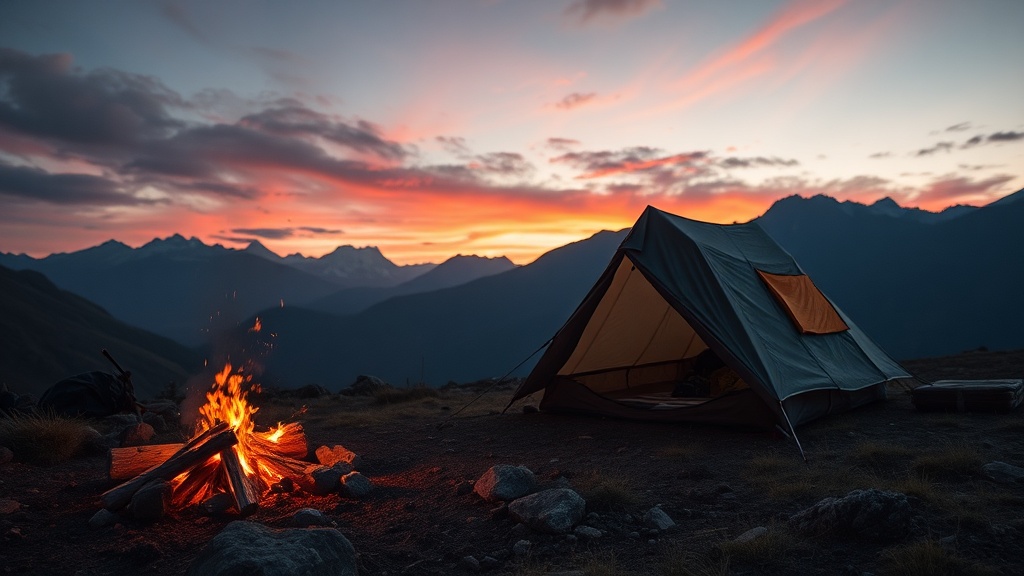
key Wild Camping Skills for Remote Wilderness Adventures

This post covers the core competencies every backcountry traveler needs before heading into true wilderness — skills that separate a memorable adventure from a dangerous ordeal. Remote camping isn't about roughing it for Instagram. It's about self-reliance, smart preparation, and knowing how to handle problems when the nearest road is twenty miles away.
What Wild Camping Skills Do Beginners Actually Need?
The basics boil down to four categories: shelter, water, navigation, and emergency response. Everything else — the fancy gear, the bushcraft tricks — builds on this foundation.
Let's start with shelter. A three-season tent like the REI Co-op Half Dome SL 2+ or MSR Hubba Hubba NX works for most conditions. (Winter demands four-season shelters — that's a different conversation entirely.) The real skill isn't pitching the tent; it's site selection. Look for flat ground, avoid depressions where water pools, and never — seriously, never — camp under dead trees or "widowmakers."
Water management separates experienced wild campers from weekend warriors. In remote areas, you can't carry enough water for a multi-day trip. You need purification skills. Boiling works, but it's fuel-intensive. Mechanical filters like the Sawyer Squeeze or Katadyn BeFree handle bacteria and protozoa. Chemical treatments (Aquatabs, Potable Aqua) deal with viruses in questionable sources. The catch? Cold water takes longer to treat. Plan accordingly.
Navigation means more than downloading offline maps. GPS devices fail. Batteries die. Screens crack. A Suunto MC-2 compass and a waterproof topographic map — the physical kind — belong in every pack. Practice taking bearings before you're fogged in on a mountainside.
"The best piece of survival gear is knowledge — and the humility to turn back when conditions exceed your abilities." — Search and Rescue volunteer, Arizona
How Do You Stay Safe From Wildlife in Remote Camping Areas?
Prevention beats confrontation every time. Most dangerous wildlife encounters happen because someone stored food improperly, approached animals for photos, or simply didn't understand local behavior patterns.
In bear country — think Glacier National Park, the Bob Marshall Wilderness, or Alaska's backcountry — proper food storage isn't optional. Bear canisters like the BV500 or Frontiersman Insider are required in many national parks. Ursacks work where hard-sided containers aren't mandated. Hanging food (the PCT method) requires practice — and many established campsites lack suitable trees anyway.
Predators aren't the only concern. Rodents carry hantavirus. Mosquitoes transmit West Nile. Ticks spread Lyme disease. A permethrin-treated wardrobe (clothing from ExOfficio or Outdoor Research) paired with DEET or picaridin repellent dramatically reduces bites. Check for ticks daily — no exceptions.
Snake encounters spike in the Southwest deserts around Tucson and Phoenix. The Arizona-Sonora Desert Museum offers excellent rattlesnake safety resources. The short version: watch where hands and feet go, especially around rock piles at dawn and dusk. Most bites occur when someone tries to handle or kill the snake.
Wildlife Safety Quick Reference
| Threat | Prevention | Response |
|---|---|---|
| Black Bears | Food in canister/ursack, 100m from tent | Make noise, don't run, fight back if attacked |
| Grizzly Bears | Bear spray accessible, travel in groups | Play dead (face down, hands behind neck) |
| Mountain Lions | Keep children close, don't hike alone at dawn/dusk | Appear large, don't run, fight back |
| Snakes | Watch where you step, avoid rock piles | Back away slowly, seek medical help for bites |
| Ticks | Permethrin clothing, daily checks | Remove with tweezers, save for ID/testing |
What Should You Pack for Multi-Day Remote Camping?
The ten essentials — plus a few modern additions — form the backbone of any remote camping kit. These aren't luxuries. They're survival tools.
The classic ten essentials:
- Navigation (map, compass, GPS)
- Sun protection (sunglasses, sunscreen, hat)
- Insulation (extra layers for worst-case weather)
- Illumination (headlamp plus backup)
- First-aid supplies (including personal medications)
- Fire starter (waterproof matches, lighter, tinder)
- Repair kit (duct tape, multi-tool, spare cord)
- Nutrition (extra day's food)
- Hydration (extra water capacity, purification method)
- Emergency shelter (bivy, space blanket, or tarp)
Worth noting: technology has shifted some priorities. A Garmin inReach Mini or Spot X provides two-way satellite communication — a genuine safety net where cell towers don't reach. They're not cheap, but neither are Search and Rescue bills in some jurisdictions.
Pack weight matters when you're carrying everything yourself. The "Big Three" — shelter, sleep system, and pack — offer the most weight savings. Aim for a base weight (everything except consumables) under 20 pounds for comfort. Ultralight enthusiasts hit 10-12 pounds, though that requires experience and compromise.
Footwear: The Make-or-Break Decision
Nothing ruins a wilderness trip faster than foot problems. Blisters, rolled ankles, wet feet — they're all preventable with the right boots or trail runners.
For rocky, uneven terrain (the kind common in canyon country around the Southwest), a mid-cut boot like the Salomon Quest 4D 3 GTX or Lowa Renegade offers ankle support and protection. On well-maintained trails, many hikers prefer trail runners — HOKA Speedgoat or Altra Lone Peak models save pounds and dry faster. The trade-off? Less protection. That said, most thru-hikers on the Pacific Crest Trail and Continental Divide Trail now choose trail runners over boots.
Here's the thing about waterproof boots: they work until they don't. Once water gets in — and eventually, it will — waterproof membranes trap moisture inside. In wet climates, many experienced hikers prefer non-waterproof shoes that drain and dry quickly.
How Do You Handle Emergencies When Help Is Hours Away?
Self-rescue is the goal. Waiting for rescue in true wilderness — places like Utah's Escalante canyons or the Boundary Waters — can mean days, not hours.
First-aid training is non-negotiable. A Wilderness First Responder (WFR) certification through NOLS or SOLO teaches assessment and stabilization skills for extended care scenarios. That's the difference between standard first aid (call 911, stabilize for 10 minutes) and wilderness protocols (manage the patient for hours or days).
Common backcountry emergencies follow predictable patterns. Dehydration and heat exhaustion in desert environments. Hypothermia in wet, windy conditions — even when temperatures are above freezing. Ankle injuries on uneven terrain. Know the signs. Know the treatment.
Communication planning matters as much as gear. Leave a detailed itinerary with someone reliable. Include trailheads, campsites, and expected return times. If you're overdue, that information directs Search and Rescue efforts. Without it, they don't know where to start looking.
Weather awareness prevents most emergencies. Check forecasts obsessively before departure. In mountain environments, afternoon thunderstorms are routine — plan to be below treeline by early afternoon. Desert flash floods turn dry washes into death traps within minutes. Snow conditions dictate avalanche risk. The National Park Service wilderness safety guidelines emphasize preparation and flexibility.
For navigation emergencies — lost, disoriented, GPS failure — the STOP protocol works: Sit down, Think, Observe, Plan. Panic kills. Most people found alive after getting lost stayed put, made themselves visible, and conserved energy.
Building Skills Gradually
Remote wilderness camping isn't learned from YouTube. Start close to civilization. Test gear on overnight trips where bail-out options exist. Graduate to longer, more isolated routes as competence builds.
Local resources help. In the Tucson area, the Southern Arizona Hiking Club offers group trips and skill workshops. REI's outdoor classes cover navigation, wilderness first aid, and backcountry cooking. For deeper immersion, NOLS courses provide structured education in remote travel skills.
The desert around Tucson — with its extreme temperature swings, limited water, and challenging terrain — actually makes excellent training ground. If you can manage water and exposure there, mountain and forest environments feel manageable by comparison.
Wild camping rewards preparation with solitude, silence, and landscapes most people never see. The skills aren't complicated. They're just specific — and ignoring them has consequences that range from uncomfortable to fatal. Pack the right gear. Learn the techniques. Build experience gradually. The wilderness will wait.