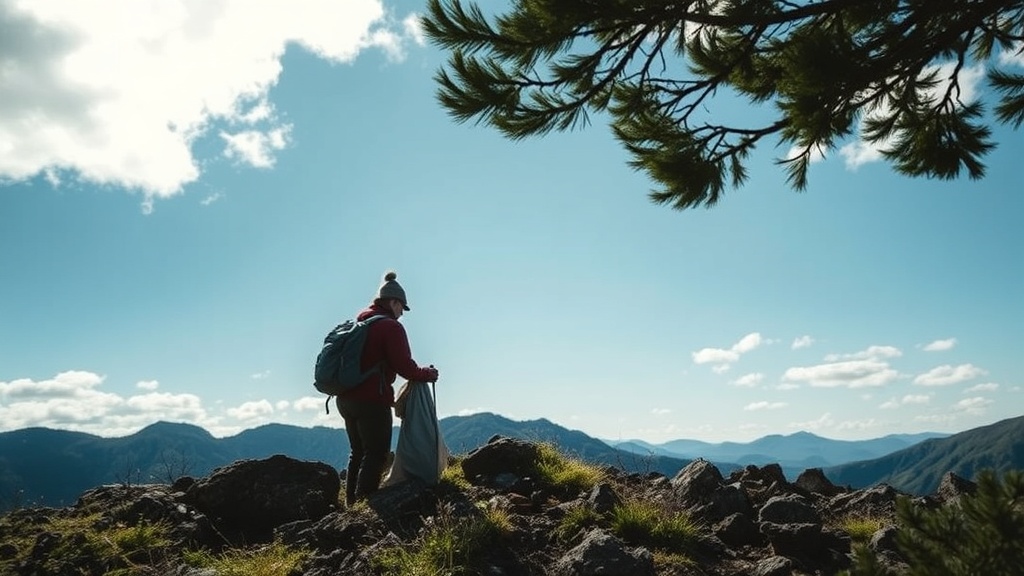
Leaving No Trace: Responsible Human Waste Disposal in the Backcountry

Is there a right way to handle human waste when you're wild camping?
Stepping into the vastness of the wilderness, away from paved trails and established campgrounds, presents an incredible sense of freedom—and responsibility. For many new to wild camping, or even seasoned adventurers exploring unfamiliar terrain, the question of how to manage human waste respectfully and safely can feel a bit daunting. It's not just about aesthetics; improper disposal can contaminate water sources, spread disease, attract wildlife, and detract significantly from others' wilderness experiences. This guide tackles the practicalities of backcountry sanitation, ensuring your impact on these pristine environments is as minimal as your footprint.
We'll walk through the gold standard for human waste disposal, discuss adaptations for varying environments, and cover the often-overlooked details of toilet paper and hygiene products. Understanding these techniques means you can enjoy your time outdoors with confidence, knowing you're upholding the very principles that keep these wild spaces wild. So, let's get into the nitty-gritty of making your 'business' truly nobody else's.
What's the most effective method for disposing of human waste in the wilderness?
When nature calls in the backcountry, the single most effective and widely accepted method for solid human waste disposal is burying it in a 'cathole'. This isn't just digging a shallow divot; it's a deliberate process designed to promote decomposition and protect the environment. A proper cathole allows soil microorganisms to break down waste quickly, returning nutrients to the earth without causing pollution or visual blight.
You'll need a small trowel or spade—a lightweight, sturdy option is best. Many outdoor retailers sell purpose-built models that make this task simple. Once you've located a suitable spot (more on that in the next section), dig a hole that is 6 to 8 inches (15 to 20 cm) deep and about 4 to 6 inches (10 to 15 cm) wide. This depth is critical; it ensures the waste is deep enough to prevent animals from digging it up and allows the active topsoil layer to do its job. After you've finished, fill the hole completely with the original soil and disguise the spot with natural materials like leaves, pine needles, or rocks. The goal is to leave no visible trace of your activity.
For groups, or for individuals staying in one location for more than a night, consider a 'commode' cathole. This is essentially a larger, deeper trench that can be used repeatedly by multiple people, burying each deposit as you go. Remember to move away from the immediate area of the commode for subsequent uses if possible, still adhering to the distance guidelines.
How deep and far from water sources should a cathole be?
Choosing the right location for your cathole is just as important as digging it correctly. Incorrect placement can lead to serious environmental contamination, particularly of water sources. The