Mastering the Art of Wild Camping: Essential Planning and Adventure Tips

Choosing the Perfect Wild Camping Destination
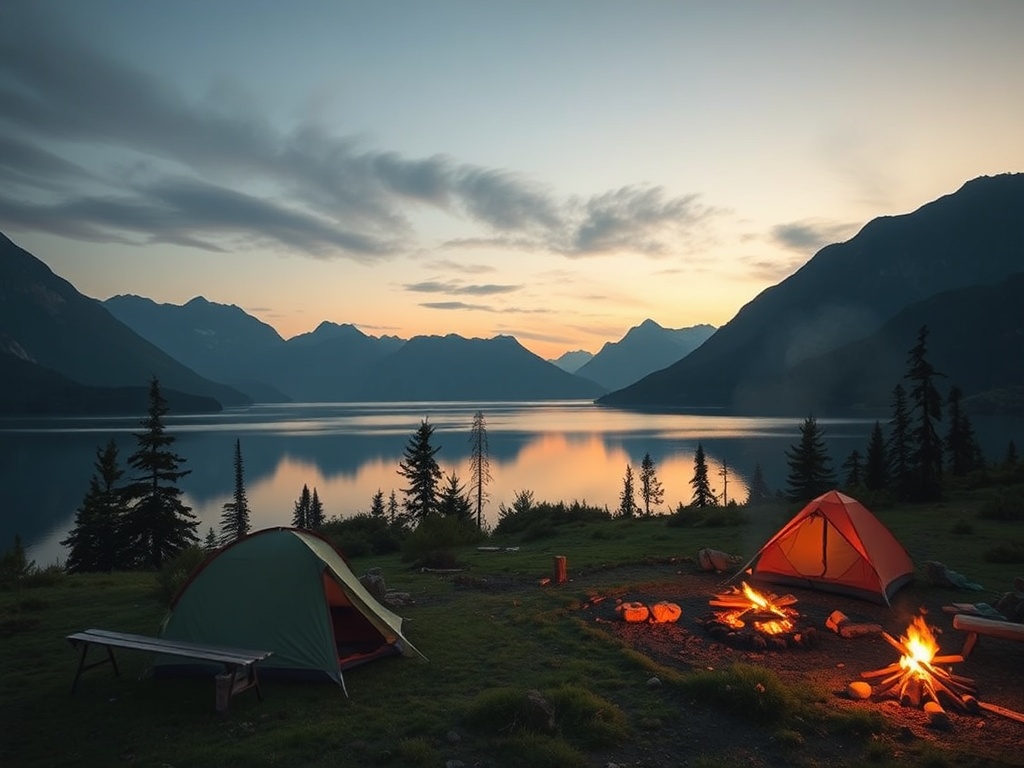
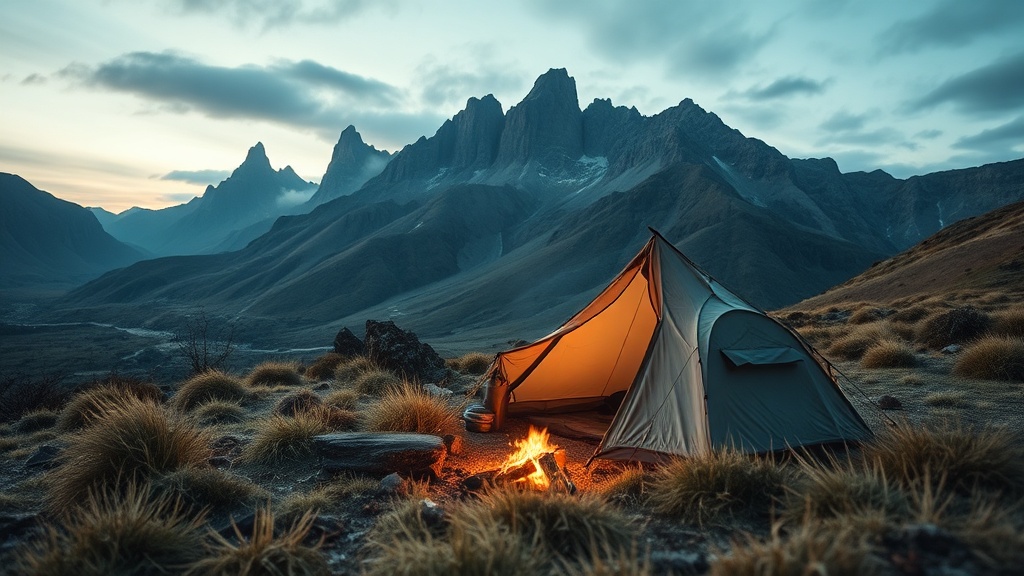
Selecting an ideal location is the first critical step in any wild camping adventure. While remote wilderness areas offer solitude and natural beauty, accessibility, regulations, and safety should guide your decision. National forests, secluded coastal areas, and highland trails are popular choices among seasoned campers.
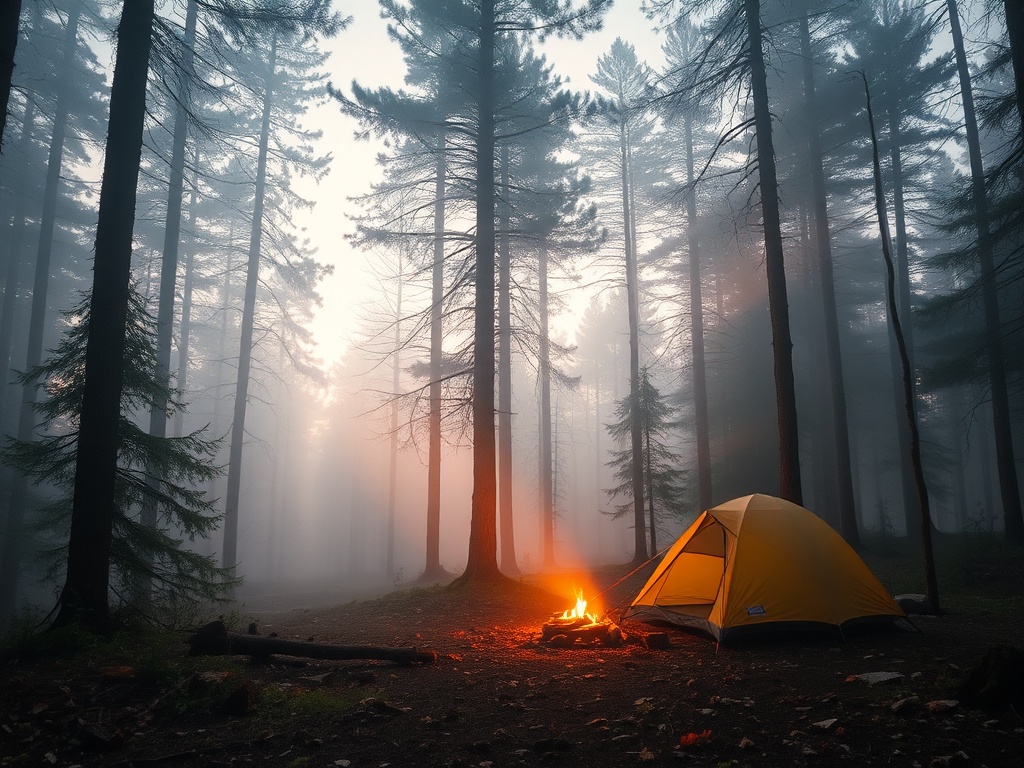
Always research local rules regarding camping permits and fire restrictions. Joining forums and consulting local ranger stations can provide insights into less-traveled trails and hidden gems. Prioritize locations that align with your skill level and the type of experience you seek.
Essential Gear for a Successful Wild Camping Experience
Packing the right equipment ensures both safety and enjoyment. Core essentials include:
- Lightweight, weather-appropriate tent and sleeping system
- Reliable cooking tools and food storage containers
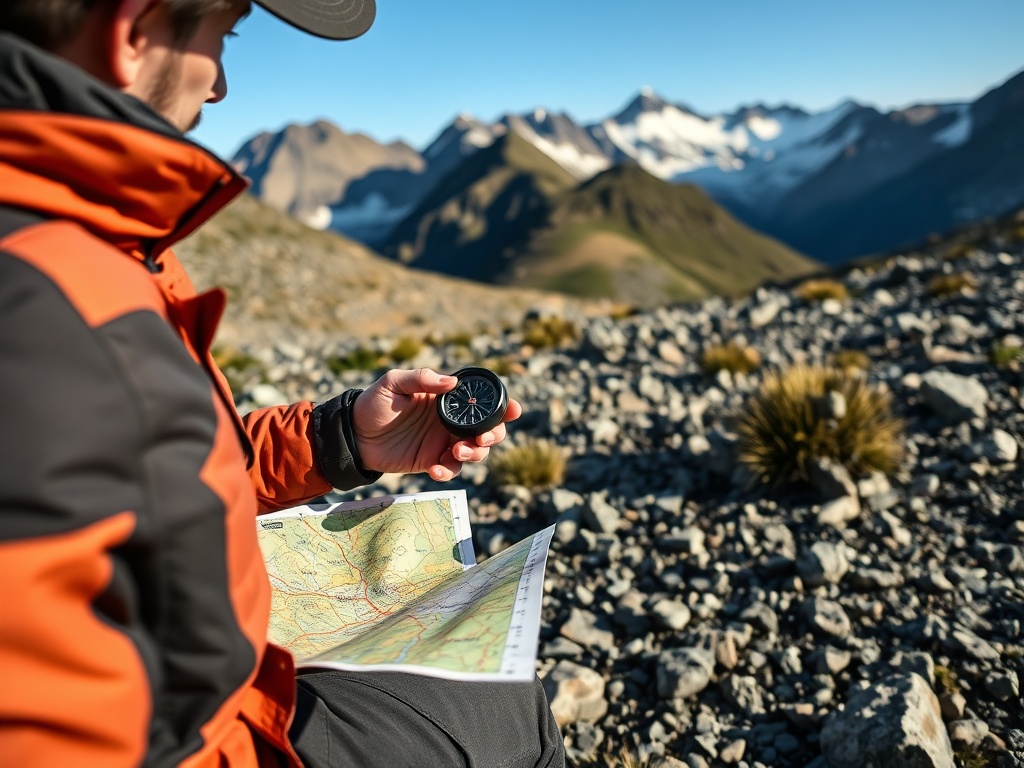
- Navigation equipment such as maps, compass, or GPS devices
- First aid kit and personal safety gear
- Layered clothing for variable weather conditions
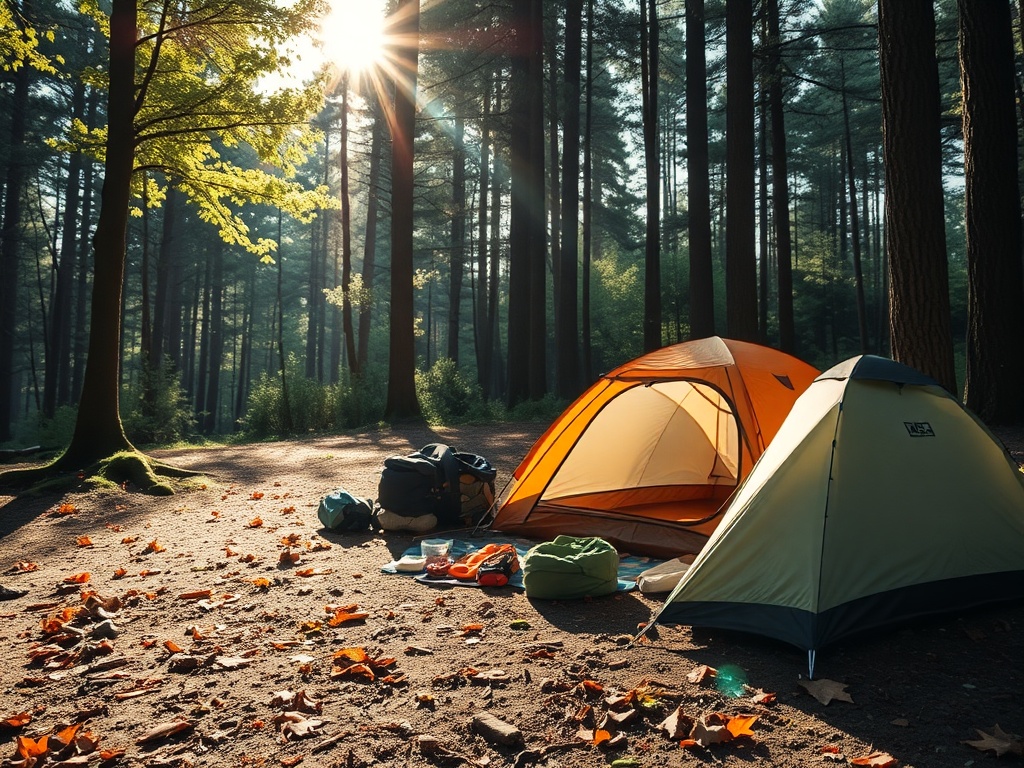
Remember that overpacking can hinder mobility. Focus on multi-functional items, such as a jacket with integrated rain protection and insulation, or a compact stove that doubles as a cooking pot. Proper gear planning can transform a challenging adventure into a seamless, enjoyable experience.
Planning Your Itinerary and Activities
Wild camping thrives on spontaneity, but structured planning enhances safety. Map out potential campsites, water sources, and trail options. Factor in hiking distances, elevation changes, and potential hazards. Activities can include:
- Day hikes and exploration of surrounding landscapes
- Wildlife observation and photography
- Stargazing away from city lights
- Foraging for edible plants, where safe and legal
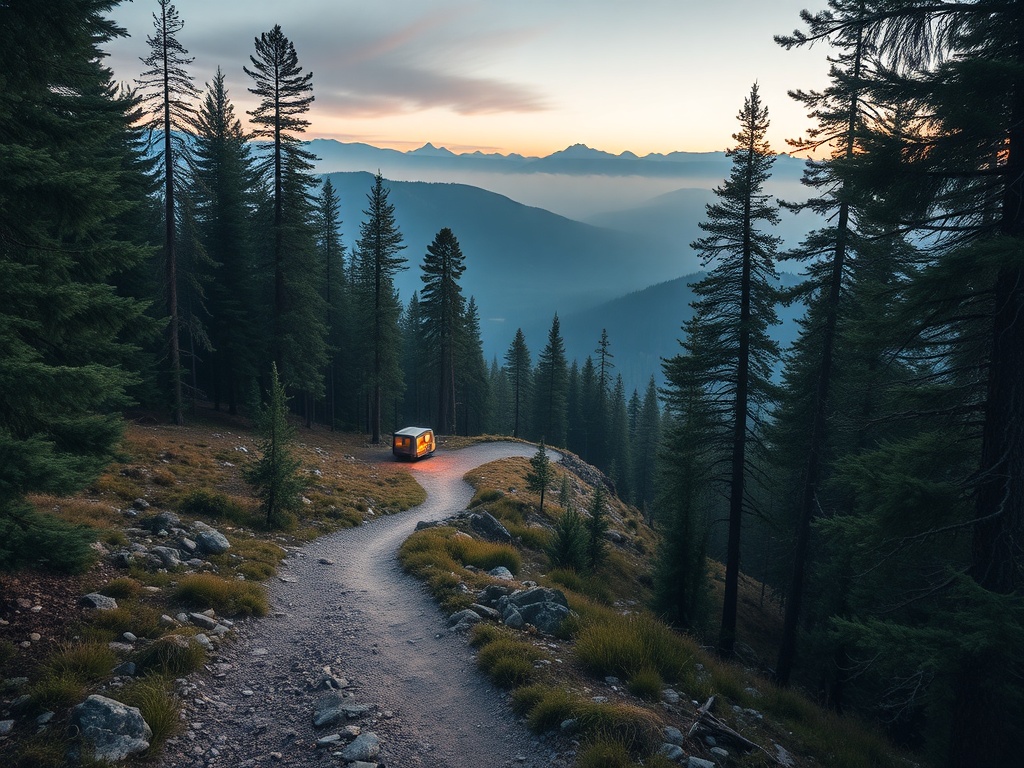
Consider incorporating buffer days for rest or unexpected weather changes. Sharing your itinerary with a trusted contact improves safety, allowing others to monitor your progress and provide assistance if necessary.
Food, Water, and Nutrition
Nutrition and hydration are essential for sustaining energy. Prioritize high-calorie, lightweight meals such as nuts, dried fruits, and dehydrated options. Use compact water filtration systems or purification tablets to ensure safe drinking water.
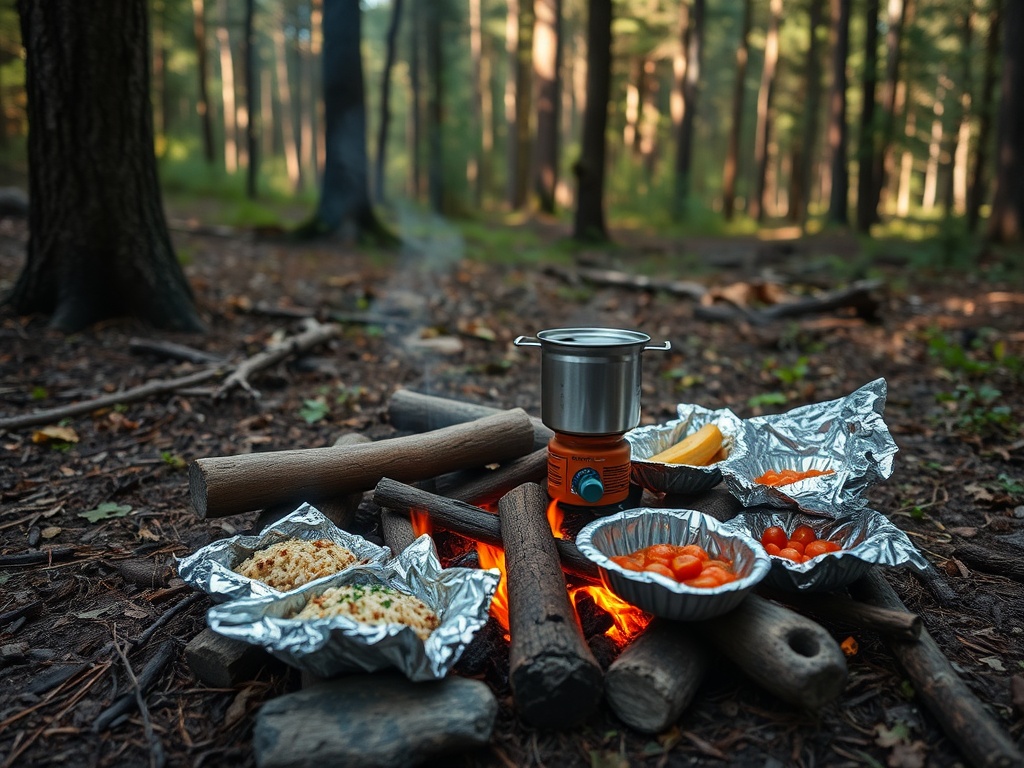
Plan meals to minimize waste and environmental impact. Learn basic wilderness cooking techniques, such as one-pot meals or cold-soaking grains, to maximize efficiency and comfort. Remember to pack out all trash and adhere to Leave No Trace principles.
Safety Considerations and Environmental Responsibility
Wild camping carries inherent risks, from weather shifts to wildlife encounters. Precautions include carrying a whistle, bear spray in applicable regions, and a durable first aid kit. Understand local fauna and flora, and avoid disturbing natural habitats.
Environmental responsibility enhances the experience for future adventurers. Follow designated trails where possible, avoid fire scars, and always remove non-biodegradable waste. Embrace the ethic of minimal impact to preserve nature’s integrity.
Advanced Tips for Experienced Campers
For those seeking a deeper wild camping experience, consider:
- Night navigation using natural landmarks and stars
- DIY water catchment systems to supplement supplies
- Practicing Leave No Trace skills in more challenging environments
- Experimenting with ultralight backpacking techniques
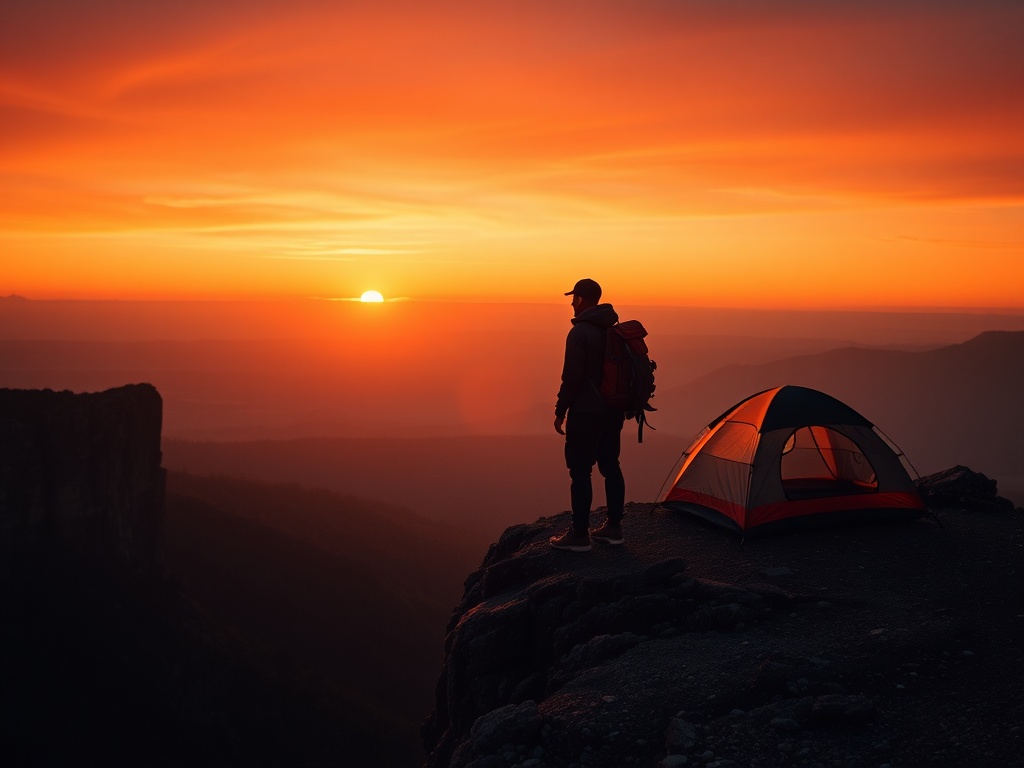
Experimentation improves skills, builds confidence, and heightens awareness of your surroundings. Engaging with local communities can also provide unique insights and hidden spots that aren’t widely documented online.
Conclusion: Embracing the Wild
Wild camping is both a challenge and a reward, blending adventure, planning, and environmental stewardship. Each trip teaches new lessons in resilience, creativity, and appreciation for natural landscapes. The more prepared and informed you are, the more immersive and fulfilling your outdoor experience becomes.