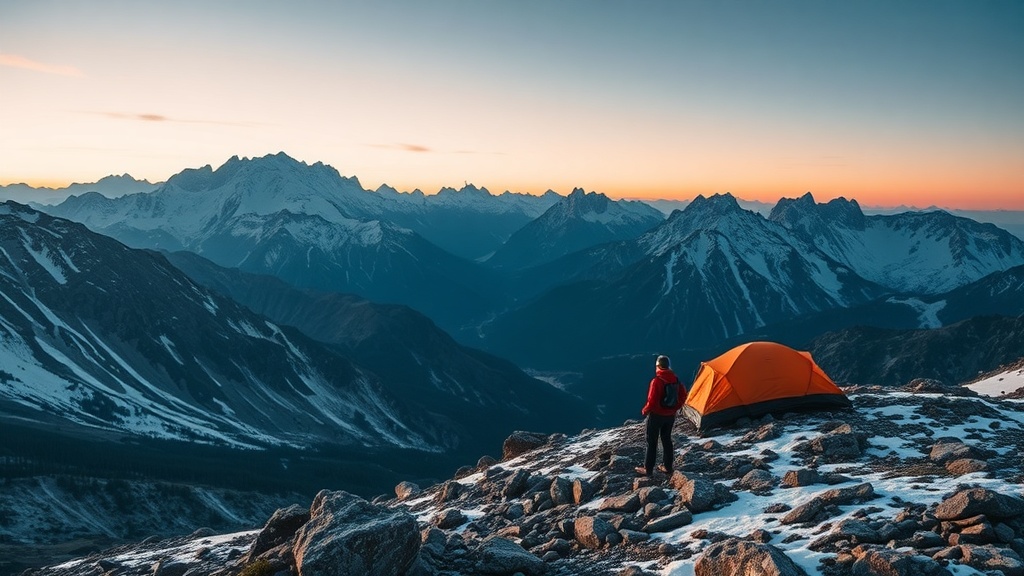
Preparing for High-Altitude Camping in Remote Mountain Ranges

What You'll Learn About High-Altitude Preparedness
This guide covers the specific physiological and gear-related requirements for camping at elevations exceeding 10,000 feet. You'll learn how to manage oxygen-thin air, rapid temperature shifts, and the logistical challenges of remote mountain environments. Proper preparation isn't just about comfort—it's about safety when you're miles away from the nearest trailhead.
High-altitude environments are fundamentally different from the lower valleys. The air is thinner, the sun's UV radiation is significantly stronger, and the weather can turn from bright sunshine to a freezing storm in a matter of minutes. If you aren't ready, your trip can go from an adventure to an emergency quite quickly. We'll look at how to adjust your gear, your body, and your pace to fit this environment.
How do I adjust to thinner air and altitude?
The biggest hurdle for most people is altitude sickness (Acute Mountain Sickness, or AMS). It's not a matter of if you'll feel it, but rather how your body reacts to the lack of oxygen. One of the best ways to handle this is through gradual ascent. Instead of driving straight to a high peak and trying to camp immediately, try spending a night at a mid-elevation base first. This gives your body time to produce more red blood cells.
Hydration is your best friend here. At high altitudes, you lose water much faster through respiration—even if you don't feel sweaty. You should be drinking more water than you think you need. If you're feeling a headache or nausea, it's often a sign that you're either dehydrated or not moving fast enough. Listen to your body; if you feel dizzy or unusually fatigued, stop. It's better to sit still for an hour than to push through and risk a serious medical event. For more detailed medical information on altitude sickness, check out the CDC guidelines on altitude sickness.
Don't forget that your physical output will be much lower. You'll find that tasks that are easy at sea level—like pitching a tent or boiling water—take much more effort. Give yourself extra time for every single task you perform during your trip. If you think a hike will take three hours, plan for five.
What gear works best for high-altitude environments?
Your standard camping kit might not cut it when the temperature drops below freezing unexpectedly. High-altitude environments experience extreme diurnal temperature swings. This means it might be 70 degrees at noon and 20 degrees by midnight. You need a high-quality sleeping system that is rated for much lower temperatures than the local forecast suggests. If you're planning to camp at 11,000 feet, don't rely on a 30-degree bag; aim for something that handles sub-freezing temperatures comfortably.
- The Sleeping Bag: Look for high-loft down or synthetic insulation that won't lose its shape under pressure.
- The Tent: Wind is a major factor in mountain ranges. A three-season or four-season tent with a sturdy pole structure is a requirement, not a luxury.
- The Stove: Standard canister stoves can struggle in thin air and cold temperatures. If you're going high, consider a liquid fuel stove or ensure your canister is compatible with high-altitude use.
Footwear is another area where people often fail. The terrain is rarely flat or stable. You'll likely encounter scree, loose rock, and uneven roots. A sturdy, waterproof boot with high ankle support will keep you from twisting an ankle when the ground is unstable. Also, consider the weight of your pack; as you climb, every extra ounce feels twice as heavy. Efficiency in gear selection is your best way to keep your energy levels up.
How can I stay safe from UV and weather-related risks?
The atmosphere is much thinner at high altitudes, meaning there is less protection between you and the sun's radiation. You can get a severe sunburn even when it's cold and windy. Sunscreen, polarized sunglasses, and a wide-brimmed hat are non-negotiable. Even if it looks cloudy, the UV index can be incredibly high. Protecting your eyes is vital; snow blindness is a real risk if you're traveling over high passes or snowfields without proper eye protection.
Weather patterns in the mountains are notoriously unpredictable. A clear sky can transform into a lightning storm or a blizzard with almost no warning. Always check the National Weather Service reports for the specific mountain range you are entering, but don't rely solely on them. Localized microclimates mean the weather at the trailhead might be completely different from the weather at your camp. Always carry a waterproof shell, even if the sun is out. Layers are your most effective tool for managing your body temperature.
When it comes to lightning, there's a specific rule for campers: if you hear thunder or see lightning, get off the ridge or the summit immediately. High points are death traps during a storm. Find a lower area, stay away from isolated trees, and try to keep your distance from any metal gear or tent poles if a storm is imminent. Being proactive about weather patterns is the difference between a successful trip and a dangerous situation.
Finally, remember that your sense of time and wayfinding can be skewed by altitude. Fatigue and hypoxia (low oxygen) can make you lose focus. Always double-check your navigation tools and ensure you have a physical map and compass as a backup to your GPS. The terrain can look very similar from a high vantage point, and once the clouds roll in, visibility can drop to near zero. Stay alert, stay hydrated, and respect the mountain's power.