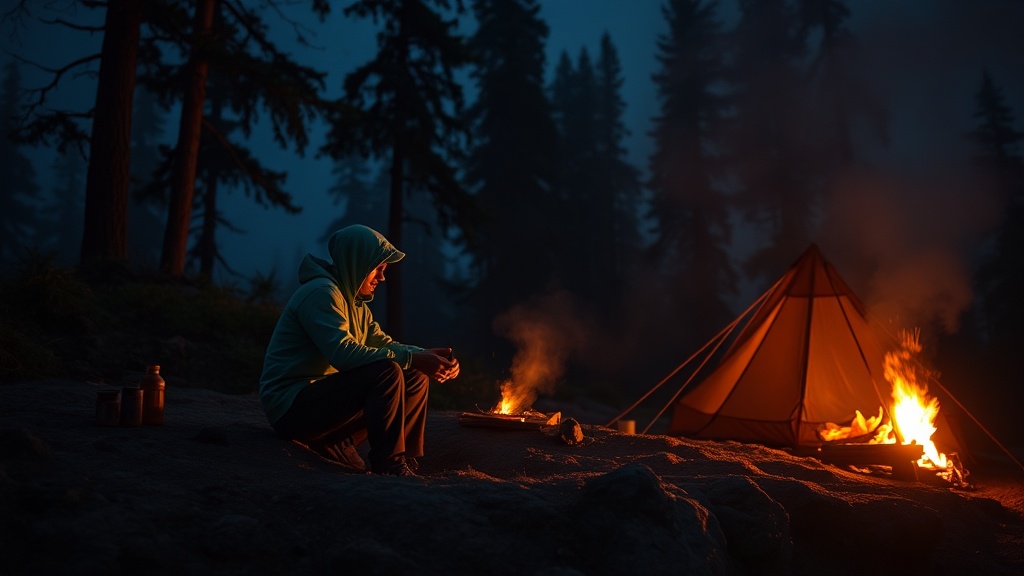
Embarking on a wild camping trip promises solitude and adventure, but are you truly ready for the unexpected turns the backcountry can throw your way? This guide dives deep into proactive emergency planning for wild campers, focusing on equipping you with the knowledge and tools to navigate challenging situations. Understanding how to react when conditions shift, gear fails, or minor mishaps escalate isn't just about survival—it's about ensuring your peace of mind and preserving the raw beauty of your outdoor experience.
What belongs in a reliable wilderness emergency kit?
Your emergency kit isn't just a collection of items; it's your lifeline when you're miles from immediate help. Forget the 'nice-to-haves' and concentrate on items that offer genuine utility in a crisis. We're talking about more than just a few band-aids here—think multi-functional, durable, and situation-specific.
Start with navigation. A reliable compass and a physical map of your route (waterproofed, of course) are non-negotiable, even if you primarily rely on GPS. Batteries die, screens crack—paper won't. Always cross-reference your GPS readings with your map. Couple this with a whistle for signaling; three short blasts repeated signifies a universal call for help. A small signaling mirror, while often overlooked, can reflect sunlight over vast distances, making you visible to aircraft or distant search parties.
Next, fire and shelter. A waterproof container of storm-proof matches or a reliable ferro rod can be the difference between a cold, miserable night and a relatively safe one. Pack some dry tinder—cotton balls soaked in petroleum jelly work wonders, or simply gather some natural tinder before it gets wet. The key here is redundancy: have at least two independent methods for starting a fire. For impromptu shelter, an ultralight emergency tarp, a space blanket, or even a heavy-duty orange trash bag can provide surprising protection from wind, rain, and snow, helping to prevent hypothermia. These items are compact but offer significant warmth retention.
First aid is paramount, but avoid overpacking. A basic wilderness first-aid kit should include wound care supplies (antiseptic wipes, various bandages, gauze, medical tape), pain relievers like ibuprofen, allergy medication, and any personal prescriptions you absolutely need. Consider adding a small tube of super glue for quick, temporary wound closure in a pinch—it's not for deep wounds, but can seal small cuts until you can get proper treatment. Training matters here—knowing
how to use these items is just as important as having them.