The Ultimate Wild Camping Adventure Planning Guide

Introduction: Embarking on Your Wild Camping Journey
Wild camping is an exhilarating way to experience nature up close and personal. Unlike traditional camping, wild camping involves setting up camp in remote and unregulated areas, where you can truly connect with the wilderness. However, planning for such an adventure requires careful consideration to ensure a safe and enjoyable experience. In this guide, we’ll walk you through all the essential steps to plan your wild camping trip, from selecting the right location to packing your gear.
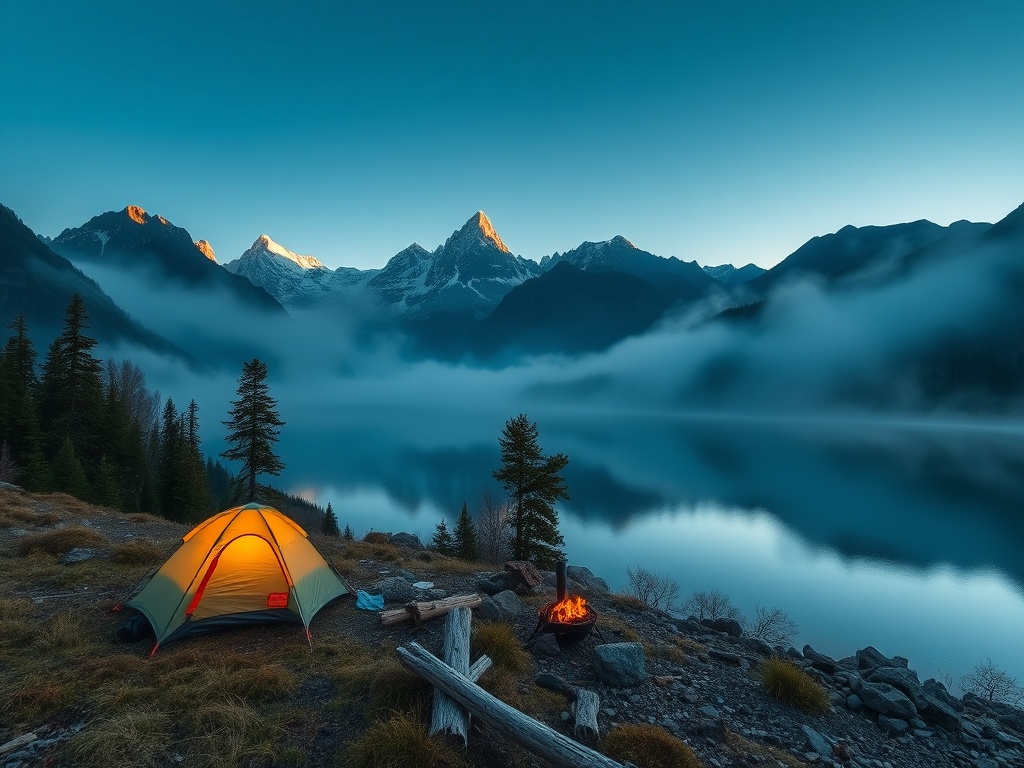
Choosing the Right Location for Wild Camping
The first and most important step in wild camping is selecting the right location. Your chosen site will dictate the entire experience, so it’s essential to consider the following factors:
- Legal Considerations: Before setting up camp, make sure that wild camping is permitted in your area. Laws vary by country, region, and even specific parks. In some places, wild camping is illegal without permission, so be sure to research local regulations.
- Accessibility: Choose a location that suits your experience level. If you're a beginner, avoid locations that require extreme hiking or technical skills. A moderately challenging site will allow you to enjoy the journey without overexerting yourself.
- Weather Conditions: Always check the weather forecast before heading out. Weather can change rapidly, especially in the mountains. Ensure you’re prepared for both hot and cold conditions.
- Wildlife Considerations: Research the wildlife in your area. Some places may have dangerous animals, such as bears or snakes. Understanding the risks and knowing how to manage them is crucial for your safety.
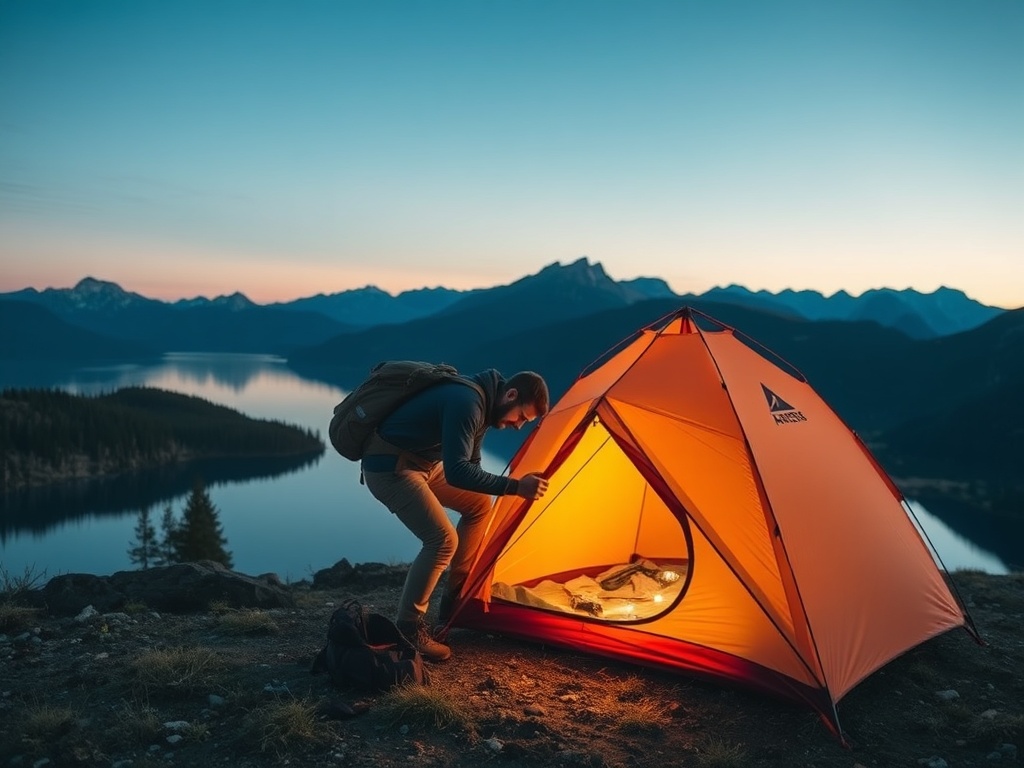
Packing Essential Gear for Wild Camping
When wild camping, packing the right gear is essential. Your equipment should be lightweight, durable, and designed to withstand the elements. Here’s a list of essential gear to bring:
- Tent: A four-season tent is ideal for wild camping as it can handle various weather conditions. Make sure it’s waterproof and able to withstand wind and rain.
- Sleeping Bag and Pad: Invest in a high-quality sleeping bag suited to the temperature range you expect. A sleeping pad will provide insulation and comfort, keeping you off the cold ground.
- Cooking Equipment: A portable stove, cooking pot, and utensils are essential for preparing meals in the wild. Don’t forget fuel for the stove!
- Clothing: Dress in layers, including moisture-wicking base layers, insulating layers, and a waterproof outer layer. Remember to pack extra socks and gloves, as these can get wet quickly.
- Navigation Tools: A map, compass, or GPS device will help you navigate through the wilderness. Don’t rely solely on your phone, as battery life can be limited.
- Food and Water: Bring enough food for your trip, along with water bottles or a water filtration system. In some areas, water sources may be contaminated, so it’s important to have a way to purify water.
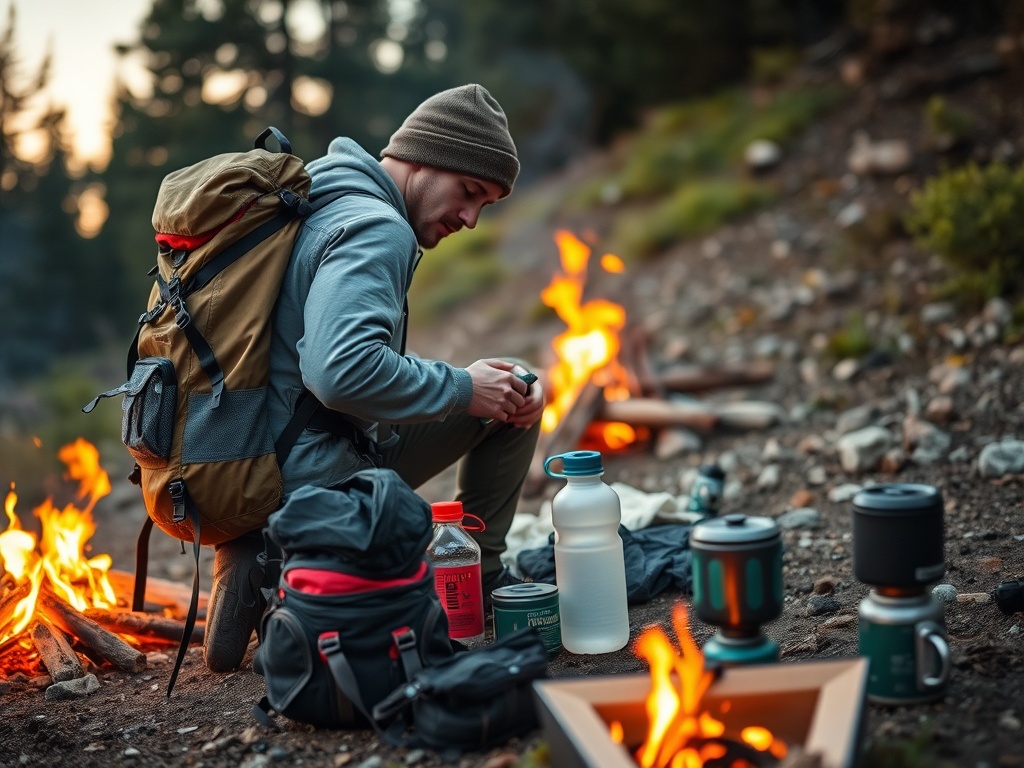
Wild Camping Safety Tips
Safety is a top priority when wild camping. Here are some tips to help ensure you have a safe and enjoyable experience:
- Tell Someone Your Plans: Always inform a friend or family member of your wild camping destination, expected return time, and emergency contact information.
- Be Bear Aware: In bear country, store food and trash in bear-resistant containers or hang them high in trees. Avoid cooking near your tent.
- Keep a First Aid Kit: Accidents can happen in remote areas. A well-stocked first aid kit is essential for treating minor injuries like cuts, blisters, or sprains.
- Fire Safety: Always check local fire regulations before starting a campfire. If allowed, ensure the fire is completely out before leaving the site. Never leave a fire unattended.
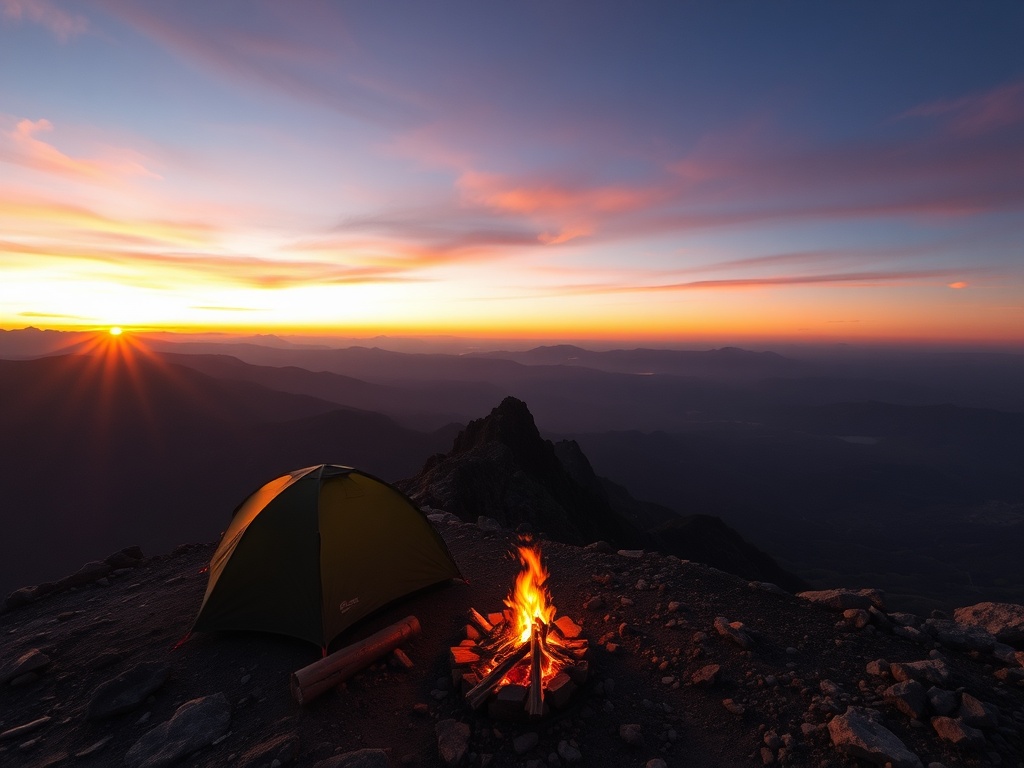
Final Thoughts: Embrace the Freedom of Wild Camping
Wild camping is a unique way to connect with nature and experience true solitude. By planning carefully, packing the right gear, and prioritizing safety, you can ensure your wild camping adventure is one to remember. Whether you’re seeking adventure in the mountains, a tranquil escape by a lake, or an exhilarating challenge in the wilderness, wild camping offers endless opportunities for exploration and discovery.
So, what are you waiting for? Pack your bags, find your perfect spot, and embrace the freedom of the wild!