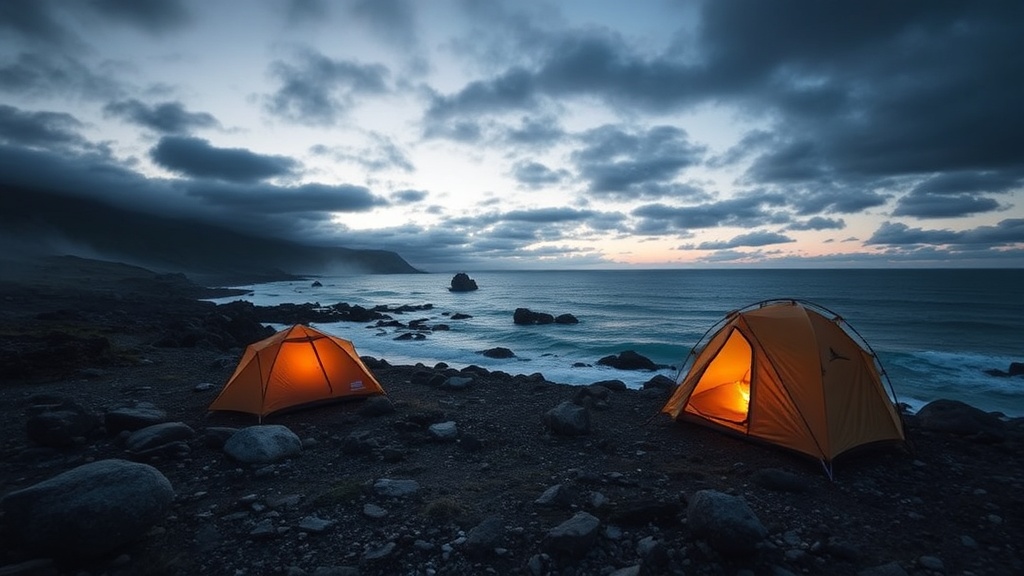
Why Remote Coastal Camping Demands Specialized Gear

Roughly 70% of the world's coastline is subject to constant tidal shifts and unpredictable weather patterns, making it one of the most volatile environments for a wilderness camp. This post examines the specific gear requirements for coastal adventure travel—focusing on salt spray, high winds, and moisture management—so you don't end up with a soaked tent and a ruined sense of adventure. We're looking at why standard hiking gear often fails when the ocean is your neighbor.
The ocean isn't just a pretty view; it's a salt-heavy, high-wind machine. If you've ever spent a night on a beach and woken up with a layer of grit on your skin and a tent that feels damp even if it didn't rain, you know exactly what I'm talking about. Salt air is corrosive and moisture is relentless. You need gear that can handle the physical reality of a shoreline.
What Makes Coastal Weather So Different from Inland?
Inland, you might deal with temperature swings or sudden storms, but the coast introduces a constant variable: the maritime influence. This means humidity levels stay high, and the air itself carries salt. Salt is an abrasive-like substance that can wear down zippers and mechanical parts faster than almost any other element. It also attracts moisture, meaning your gear stays damp much longer than it would in a dry desert or a high-altitude forest.
Wind is the other big factor. Coastal winds aren't just breezes; they are often sustained, high-velocity gusts that can flatten a standard three-season tent in minutes. If you're planning a trip to the Pacific Northwest or the rugged shores of Maine, you can't just grab any lightweight backpacking tent and hope for the best. You need something with a low profile and high-quality guy lines. Check the National Oceanic and Atmospheric Administration for local weather patterns before you head out—it's better to know the wind speeds ahead of time.
How Do You Protect Your Gear from Salt and Sand?
Sand and salt are the enemies of longevity. Sand gets into every single zipper, and if you don't clean it, your expensive tent or backpack will eventually fail. I recommend a few specific habits to keep your equipment functional:
- The Rinse Ritual: Always rinse your gear with fresh water after a coastal trip. Even if it didn't rain, that salt air settles on everything.
- Zipper Maintenance: Use a small brush to remove sand from zipper tracks before you even attempt to zip them up.
- Storage Habits: Never store your gear in a damp environment. If your tent is even slightly salty or damp, it'll grow mold or lose its waterproof coating's integrity.
A lot of people make the mistake of thinking a "waterproof" rating is enough. In a coastal environment, you also need to think about wind resistance. A tent might be waterproof, but if the wind rips through the fabric, you'll be freezing regardless of the precipitation. Look for gear with a high SIL (Single Ripstop) rating or reinforced seams. For more technical specs on fabric durability, the Gore-Tex website offers great insights into how membranes handle different environments.
Should You Prioritize Weight or Durability on the Coast?
This is the classic debate. In the mountains, lightweight is king. On the coast, durability often takes the lead. A lightweight tent might be great for a quick trek through a forest, but if a heavy sea breeze hits a low-denier fabric, it might tear. I often suggest a middle ground: look for high-quality synthetic materials that won't degrade under UV exposure or salt exposure.
| Gear Type | Standard Requirement | Coastal Requirement |
|---|---|---|
| Tent | Lightweight/Compact | High Wind Resistance/Low Profile |
| Footwear | Waterproof/Breathable | High Traction/Sand Management |
| Storage | Dry Bags | Heavy-Duty/Salt-Resistant |
If you're moving through tide pools or walking on wet sand, your footwear needs to be more than just waterproof; it needs to be easy to clean. I've seen too many people bring brand-new hiking boots to a beach trip, only to have the salt and sand ruin the leather or mesh by day two. Sandals or specialized water shoes are often a better bet for the actual shoreline, keeping your heavy boots safe in a dry bag.
Don't forget about your sleeping system. A sleeping pad that is purely air-filled might be prone to punctures from jagged shells or rocks hidden under the sand. A slightly more rugged, insulated pad is a smart move. The goal is to stay comfortable while the environment tries to dampen your spirits (and your gear).
Ultimately, coastal camping is about respect. Respect the tides, respect the wind, and respect the way salt can change the texture of your equipment. If you prepare for these variables, you'll find that the sound of the waves is much more relaxing than the sound of a collapsing tent.