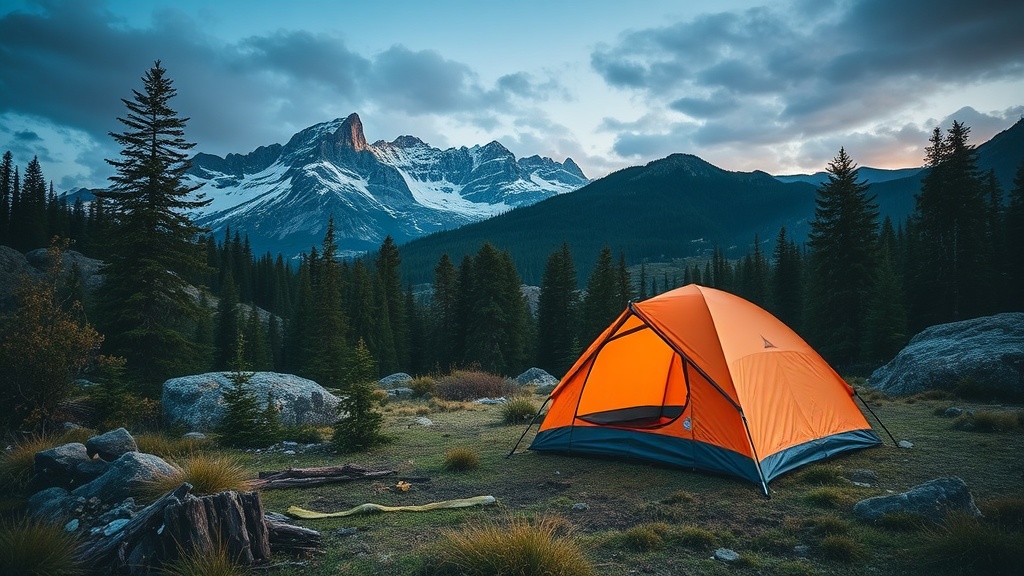
Why Your Campsite Choice Matters More Than Your Tent: 7 Backcountry Selection Rules

Here's something most weekend backpackers don't realize: a poorly chosen campsite can drop your perceived temperature by 15 degrees, flood your gear in a 2 AM thunderstorm, or turn a peaceful night into a bear encounter you'd rather forget. Research from the University of Montana's Wilderness Institute found that campers who spend even 10 minutes evaluating their site selection suffer 60% fewer weather-related emergencies than those who simply pitch where the trail ends.
This isn't about having the fanciest gear—it's about reading the land, understanding patterns, and knowing what separates a memorable night under the stars from a miserable scramble back to civilization. Whether you're exploring the slickrock canyons near Zoe's Tucson backyard or pushing into the Pacific Northwest's moss-draped forests, these seven rules will change how you think about where you lay your head.
Why Do Seasoned Campers Always Check the Sky Before Choosing Ground?
Weather patterns aren't random—they follow topography like water follows gravity. Experienced wild campers know that a site's exposure can mean the difference between waking refreshed and battling condensation, wind, or worse.
First, scan for dead trees—"widowmakers" in backcountry parlance. One storm-tossed branch can turn your shelter into a liability. Look up before you look down. Then study the horizon: valleys collect cold air (temperature inversions can make valley floors 20 degrees cooler than ridges), while exposed ridges channel wind that'll test even the most bomber tent stakes.
The sweet spot? A bench or terrace midway up a slope—enough elevation to avoid pooling cold air, enough protection from ridgeline gusts. In desert environments like southern Arizona, this same principle applies to flash flood zones: that dry wash might look flat and perfect, but a storm 20 miles upstream can transform it into a debris-charged torrent in minutes. The National Weather Service's flood safety guidelines emphasize staying at least 200 feet above any drainage channel in canyon country.
What's the Real Difference Between Durable and Fragile Ground?
Leave No Trace isn't just about packing out your trash—it's about where your tent touches earth in the first place. The concept of "durable surfaces" extends far beyond established campsites.
Rock, sand, gravel, dry grasses, and snow can handle repeated compression without lasting damage. Alpine meadows, cryptobiotic soil crusts (that knobby, dark soil you see in arid regions), and wetland margins cannot—these ecosystems can take decades or centuries to recover from a single night of tent traffic.
When evaluating ground, ask yourself: will this look the same in a month? A year? If you're compressing vegetation, disturbing soil crust, or creating new social trails to reach your spot, keep looking. The durable surface principle applies doubly to water sources—camp at least 200 feet from lakes and streams to protect riparian zones and avoid concentrating human impact where wildlife drinks.
This matters more than most travelers realize. Backcountry rangers in high-traffic areas like the Boundary Waters or Yosemite's high country regularly close popular zones specifically because repeated poor site selection has degraded the environment beyond recovery. Your individual choice aggregates into collective impact.
How Close Is Too Close to Water, Trails, and Other Campers?
There's a tension in wild camping: you want the Instagram-worthy lake view, but so does everyone else—and that concentration destroys exactly what you're seeking. Smart site selection embraces strategic distance.
The 200-foot rule from water sources isn't arbitrary—it's the distance needed to prevent erosion, keep wildlife corridors open, and ensure your presence doesn't contaminate the water others depend on. But there's another consideration: mosquitoes breed near standing water, and morning condensation clings to lakeshore camps. That postcard-perfect tent placement often means a damp, buggy night.
Trail proximity follows similar logic. Camp too close and you'll be dusted by passing hikers, startled by headlamps at midnight, and exposed to noise you'd rather avoid. Camp too far and you risk creating new social trails that scar the terrain. The sweet spot—approximately 100 feet from main trails—minimizes impact while maintaining accessibility.
Other campers deserve consideration too. Sound carries surprisingly far in quiet wilderness. If you're near established sites (or popular dispersed camping zones like those on BLM land), choose locations screened by terrain or vegetation. Nobody wants to hear your podcast at 10 PM—or your snoring at 2 AM.
Why Does the Direction of Your Tent Door Matter?
This sounds trivial until you've spent a night with your tent opening directly into a rising sun at 5:30 AM or facing a wind that blasts dust and debris into your sleeping space. Door orientation is micro-site selection—and it matters.
In warm weather, face doors toward prevailing winds for ventilation. In cold conditions, orient away from wind to minimize heat loss. Morning sun orientation can either be a natural alarm clock (east-facing) or let you sleep in (west-facing)—choose based on your priorities and next day's mileage.
But there's a safety angle too. In bear country, your door should face an open area where you can spot wildlife approaching—not brush that conceals movement until it's too late. Similarly, positioning allows quick exit in emergencies: flooding, falling trees, or—yes—gear failures that demand immediate attention.
What Are the Hidden Signs of Previous Campers?
The best campsites are often invisible—they've been used before, but used well. Learning to read these signs transforms your site selection from guesswork to pattern recognition.
Look for flattened areas that aren't damaged, established fire rings (if fires are permitted and appropriate), and subtle wear patterns in durable surfaces. These indicate previous use without suggesting overuse. Conversely, sites with multiple fire scars, hacked vegetation, or improvised seating made from cut branches suggest either illegal activity or places you should avoid contributing to.
Some indicators are subtler: gravel bars with smoothed rocks (washed clean by seasonal flooding), sandy benches with compacted surfaces, or forest floors where pine needles have been cleared but duff remains intact. These are sustainable sites that can handle your presence without degradation.
The Leave No Trace Center for Outdoor Ethics maintains excellent resources on minimum impact practices that expand on these principles—worth reviewing before any significant backcountry trip.
How Do Terrain Features Affect Sleep Quality?
Not all flat ground sleeps the same. Subtle slope, ground composition, and underlying vegetation all influence whether you'll wake rested or aching.
Test flatness by lying down before pitching—what looks level standing up often reveals a slight incline when you're horizontal. Blood pooling on the downhill side creates pressure points and mid-night repositioning. Similarly, root systems and rock fields become increasingly apparent as the night progresses; that small stone you thought your pad would handle becomes a pressure point at hour four.
Ground insulation varies dramatically. Sand and snow require more insulation than forest duff. Cold ground sucks heat regardless of your sleeping bag rating—R-value matters, but so does what's beneath your pad. Pine needles, duff, and accumulated organic matter provide natural insulation that packed dirt or rock cannot.
Finally, consider morning logistics. Where will the first light hit? Is there a convenient branch for hanging a food bag or bear canister placement? Can you cook breakfast without disturbing your sleeping area? These small efficiencies compound into trip quality.
When Should You Break These Rules?
Guidelines exist to prevent the common failures—but exceptions exist for uncommon situations. Understanding when to deviate separates competent campers from those who can adapt.
Emergency situations obviously override normal protocols: severe weather, injury, or darkness approaching faster than expected may necessitate suboptimal sites. In these cases, minimize impact as best you can and commit to remediation—restoring sites, dispersing use, or reporting damage to land managers.
Some environments simply lack ideal options. Above treeline in the Rockies, alpine tundra is universally fragile—here, established rock platforms or snow camping (when appropriate) become preferred over pristine vegetation. In canyon country, flash flood awareness may force you onto slopes steeper than ideal. In dense forest, finding truly flat ground can require compromise.
The key is intentionality. Poor site selection from ignorance damages terrain and creates risk. Poor site selection with full awareness of trade-offs—and commitment to minimizing harm—is simply backcountry problem-solving.
Your tent is your home out there, but the ground beneath it determines whether that home feels like sanctuary or survival. Start looking at landscapes differently—not just as scenery, but as systems you can read, understand, and move through without leaving marks. The best campsite isn't the one with the view. It's the one you leave exactly as you found it, ready for the next traveler who passes through.