Wild Camping for Beginners: A Practical Field Guide to Safe, Legal, and Memorable Nights Outdoors

Wild camping strips things back to what matters: shelter, warmth, water, and judgment. It’s not about gear flexing or chasing remote coordinates for the sake of it. It’s about knowing how to exist comfortably in a place that doesn’t care you’re there—and leaving without a trace you ever were.
Understand What “Wild Camping” Actually Means
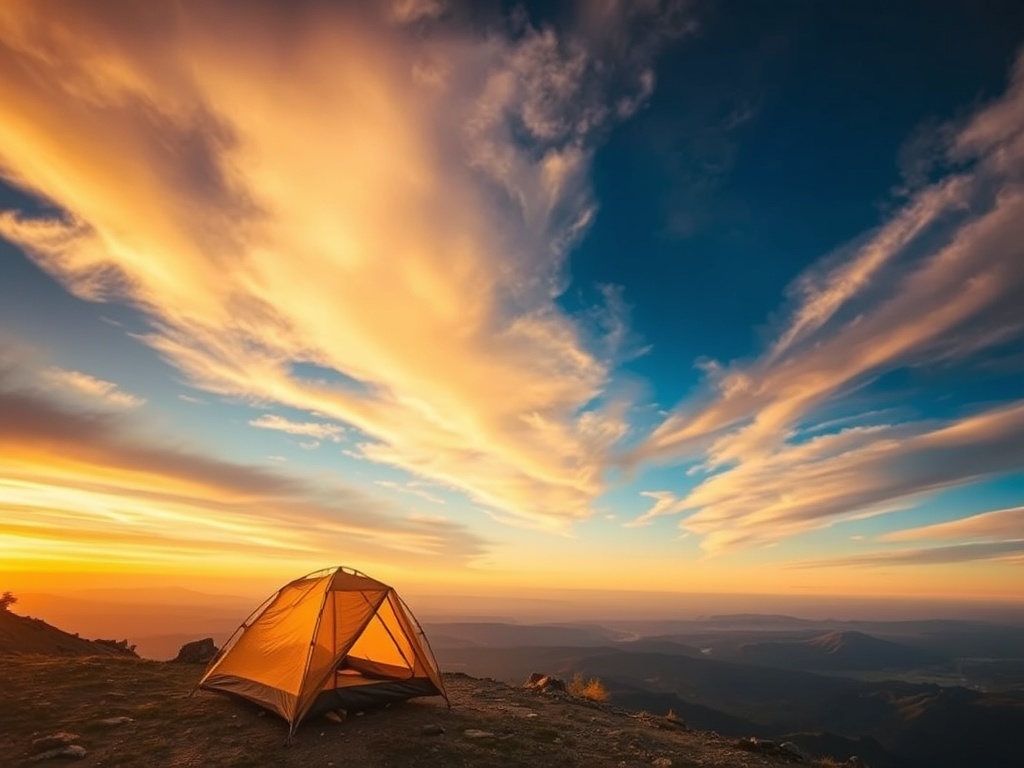
Different regions define wild camping differently. In some places it’s tolerated on public land if you’re discreet; in others it’s restricted or outright illegal. Before you pack anything, understand the local rules. That means checking land ownership (public vs private), seasonal closures, fire bans, and protected areas.
More important than legality is intent. Wild camping is low-impact by design. If you’re setting up like a basecamp with speakers, lights, and a footprint the size of a small village, you’re missing the point—and likely to get moved on.
Choosing the Right Location (This Is Half the Skill)
The best campsites aren’t obvious. They’re the ones you only notice when you slow down.
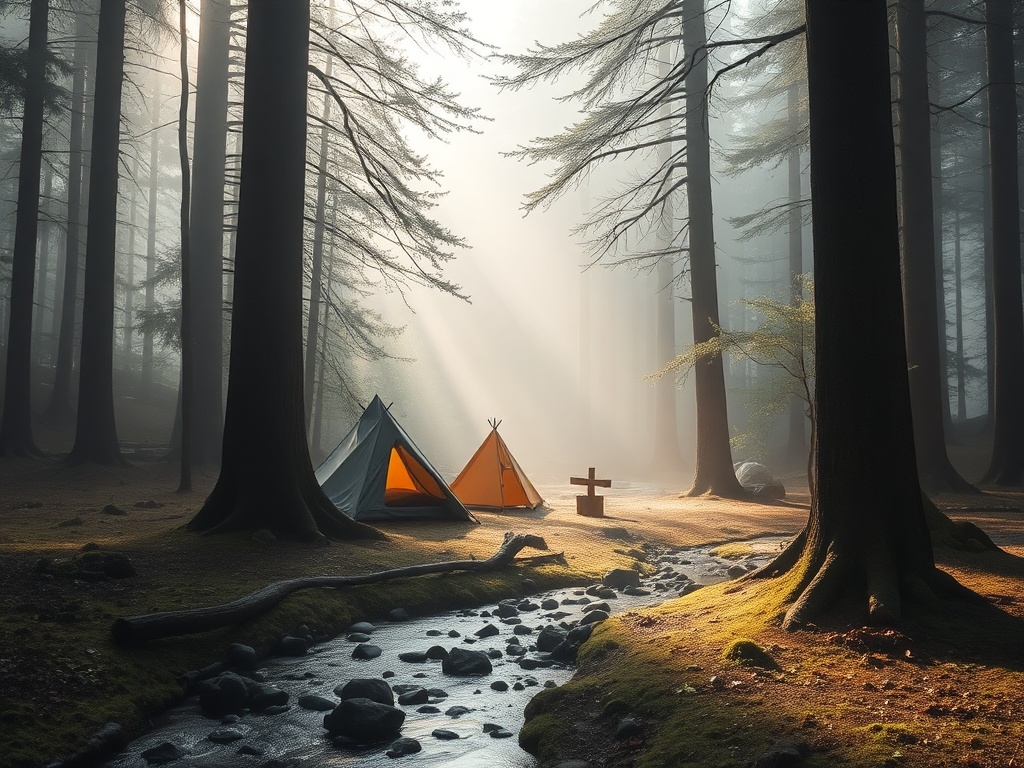
- Stay out of sight: Avoid trails, roads, and viewpoints. If someone can casually see your tent, you chose poorly.
- Flat, dry ground: Slight elevation helps avoid pooling water if weather turns.
- Wind protection: Trees, rocks, or terrain dips can make a huge difference overnight.
- Water proximity: Close enough to access, far enough to avoid bugs and flooding (30–70 meters is a good rule).
Experienced campers often arrive late and leave early. It minimizes visibility and impact.
Gear That Actually Matters (and What You Can Skip)
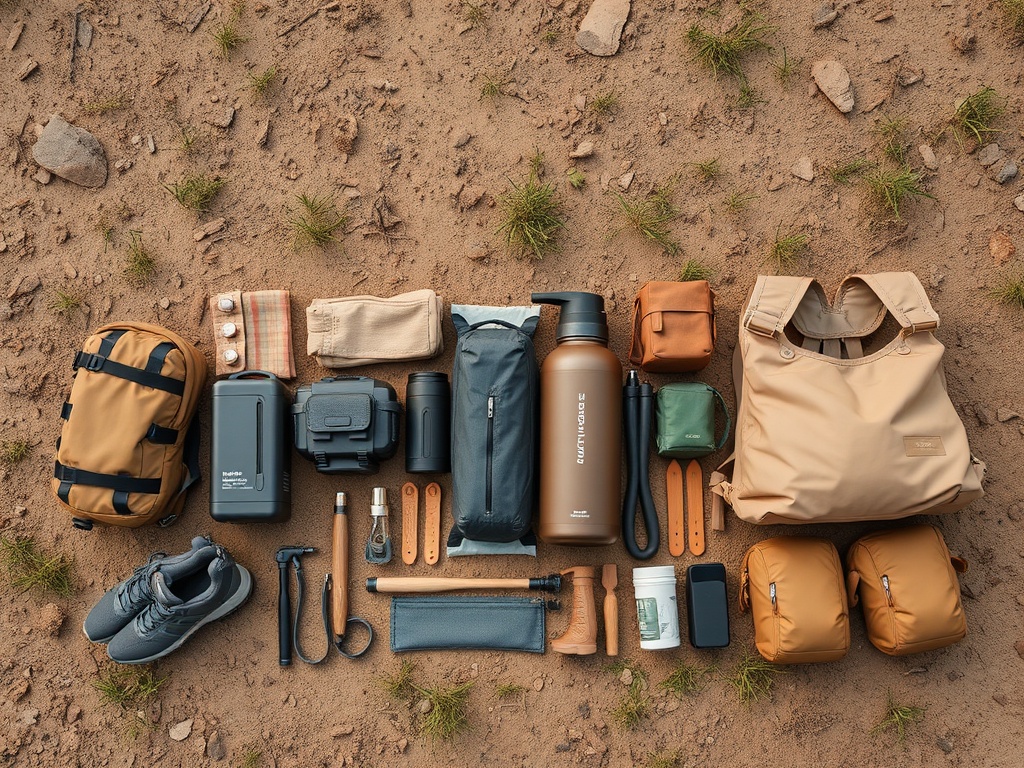
You don’t need a gear wall to start wild camping. You need reliable basics.
Essentials
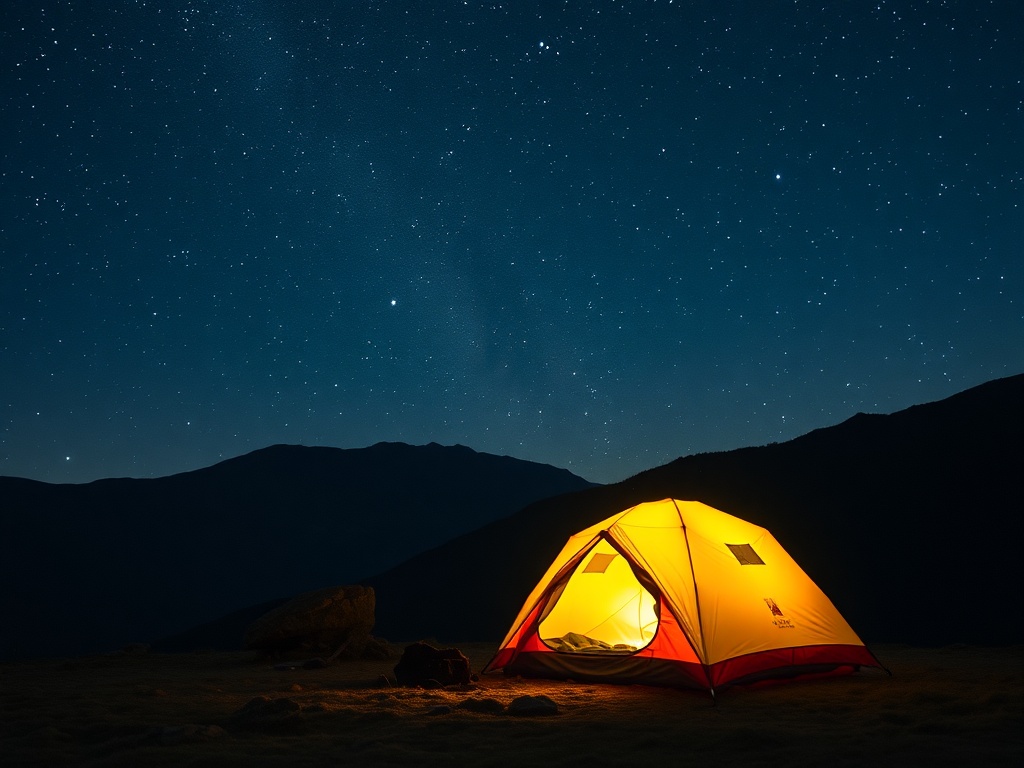
- Shelter: Lightweight tent, bivvy, or tarp depending on conditions.
- Sleep system: Sleeping bag rated for colder than expected temps + insulated sleeping pad.
- Water: Carry enough or bring a filter/purification method.
- Light: Headlamp with spare battery.
- Navigation: Map + offline GPS (phones fail faster than you think).
Nice to Have
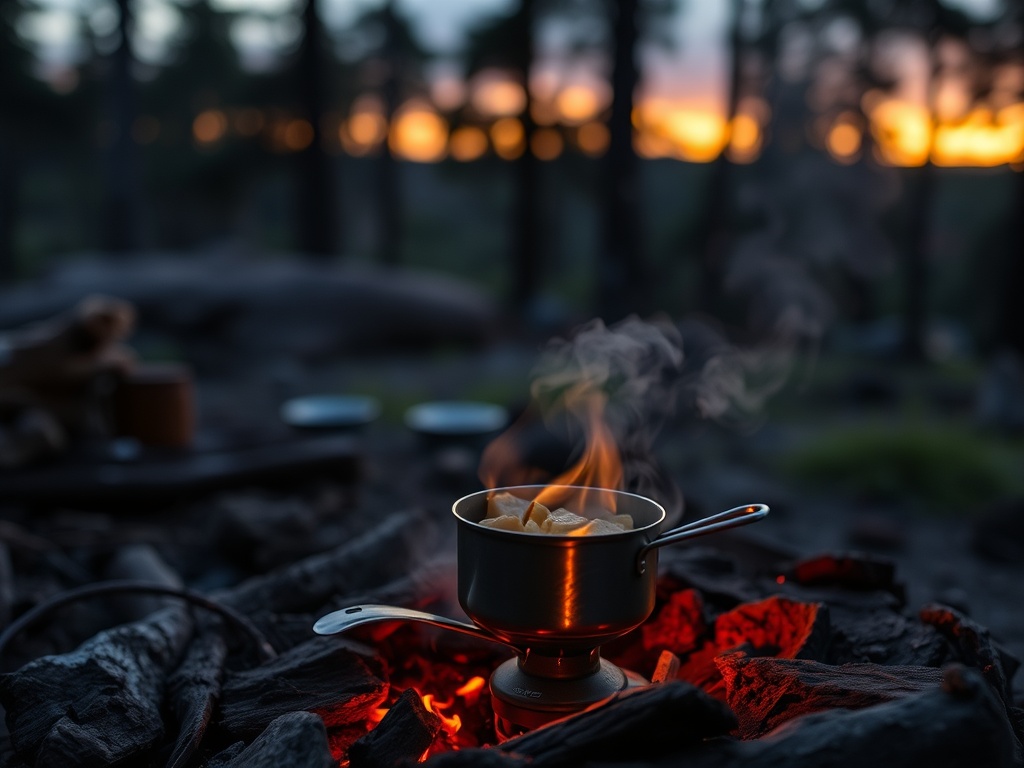
- Compact stove (if fires aren’t allowed)
- Lightweight cookware
- Small repair kit (duct tape fixes more than you’d expect)
Often Overrated
- Large cooking setups
- Multiple outfit changes
- Heavy “just in case” items
If your pack feels heavy before you’ve even started walking, you’ve already made a mistake.
Staying Warm and Dry: The Non-Negotiables
Cold ruins trips faster than anything else. Most beginners underestimate how quickly temperatures drop at night.
- Layer properly: Base (moisture-wicking), mid (insulation), outer (weather protection).
- Keep your sleep system dry: Even slight dampness kills insulation performance.
- Eat before bed: Calories help your body generate heat.
- Use your pad: Ground insulation matters as much as your sleeping bag.
Rain is manageable. Wet and cold combined is where things get serious. Plan for that scenario, not ideal weather.
Food and Water Without Overthinking It
You don’t need elaborate meals. In fact, simple is better.
- High-calorie, low-weight foods (nuts, dehydrated meals, oats)
- Easy breakfast (no one wants a complicated routine at sunrise)
- Electrolytes if you’re hiking in heat
Water strategy matters more than food. Always know your next source and have a backup plan if it’s dry or contaminated.
Leave No Trace (Not Optional)
This isn’t a suggestion—it’s the baseline for access.
- Pack out everything, including food scraps
- Avoid fires unless explicitly allowed (and even then, think twice)
- Use existing clearings instead of creating new ones
- Bury human waste properly (or pack it out where required)
If wild campers get a bad reputation, access disappears. It’s that simple.
Safety: Quiet Awareness Beats Paranoia
Most risks in wild camping are predictable and preventable.
- Weather: Check forecasts but plan for worse
- Wildlife: Store food properly and know local species
- Navigation: Don’t rely on a single device
- Tell someone your plan: Basic but often ignored
The goal isn’t to eliminate risk. It’s to manage it intelligently.
Your First Trip: Keep It Boring (On Purpose)
Your first wild camping trip shouldn’t be ambitious. It should be controlled.
- Stay within a short hike of your starting point
- Pick predictable weather
- Avoid extreme terrain
- Focus on learning your gear and routine
Confidence builds fast when things go smoothly. It collapses just as fast when you stack too many unknowns.
Common Mistakes to Avoid
- Setting up too late in fading light
- Ignoring wind direction
- Overpacking “just in case” gear
- Underestimating nighttime temperatures
- Camping too close to water or trails
Most problems aren’t bad luck. They’re predictable errors repeated by beginners.
Why People Keep Coming Back
Wild camping has a way of resetting your baseline. No notifications. No background noise. Just small decisions that matter—where to pitch, when to cook, how to stay warm.
It’s not always comfortable. It’s not always easy. But it’s honest. And once you get a taste for that, it’s hard to go back to anything else.
Final Thoughts
Start small, stay adaptable, and pay attention. Wild camping rewards awareness more than experience. The more you notice—terrain, weather, your own limits—the better your trips become.
You don’t need to chase extremes. A quiet, well-chosen spot and a solid night outdoors is more than enough.