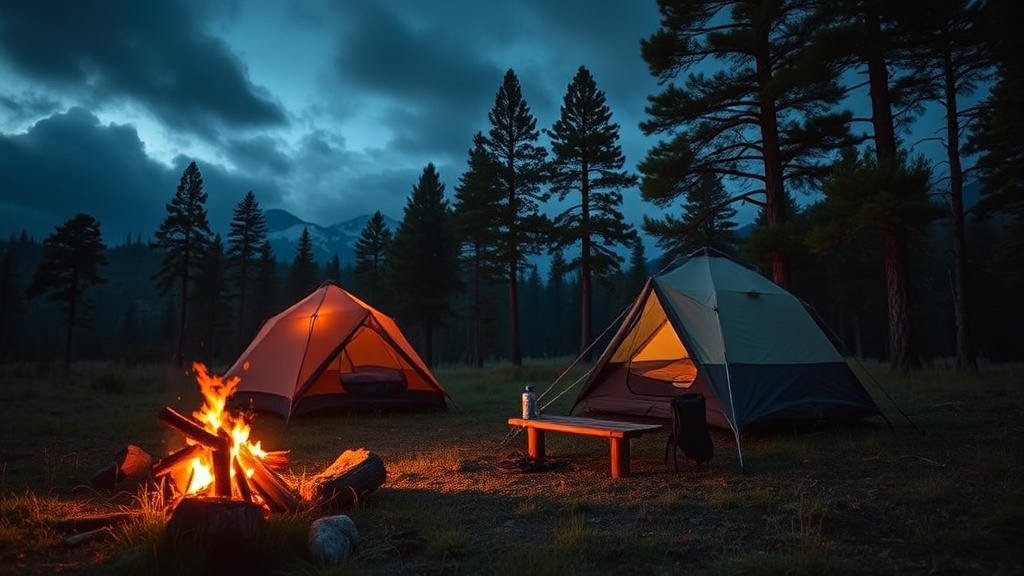
Wild Camping for Beginners: How to Camp Off-Grid Without Regrets

Wild camping sounds romantic until you're cold, lost, or listening to something large moving just outside your tent at 2 a.m. The truth? Done right, it’s one of the most rewarding ways to experience the outdoors. Done poorly, it’s a fast lesson in discomfort and bad decisions.
This guide cuts through the fluff. No recycled “top 10 tips.” Just what actually matters when you leave campsites behind and head into the wild.
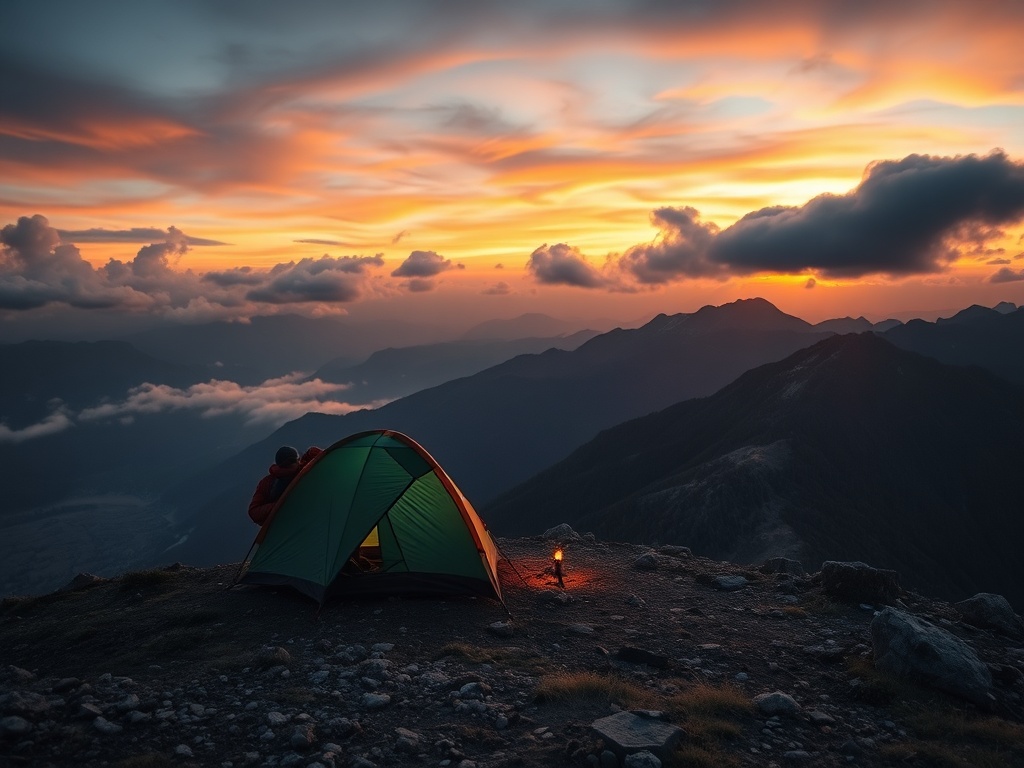
What Wild Camping Really Means
Wild camping isn’t just camping without a reservation. It’s choosing your own spot, managing your own impact, and accepting that there’s no infrastructure waiting for you.
No bathrooms. No water taps. No safety net.
That’s exactly why it’s addictive.
You’re trading convenience for freedom. And the moment you understand that trade-off, your decisions get sharper.
Choosing the Right Location (This Is Where Most People Mess Up)
Beginners overthink gear and underestimate location. Location is everything.
Look for three things:
- Shelter from wind — tree cover or natural terrain breaks
- Dry, slightly elevated ground — avoid low points where water collects
- Distance from trails and water sources — privacy and Leave No Trace
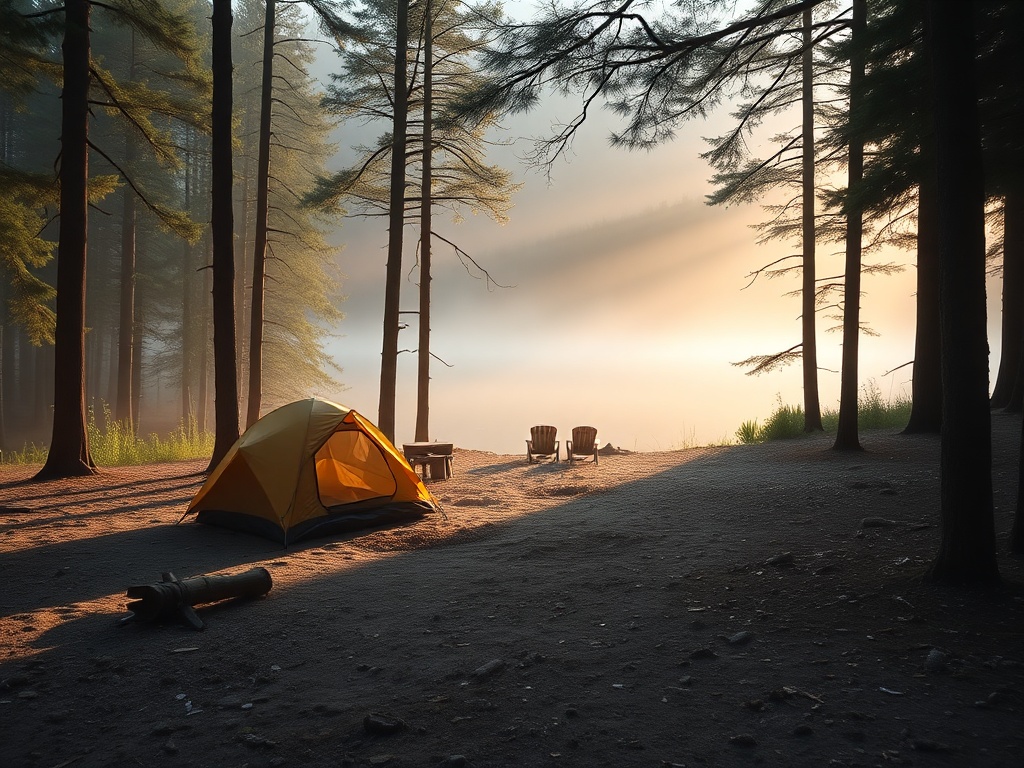
Camping beside a lake looks great in photos. It’s also where bugs, condensation, and cold air settle.
Instead, camp 50–100 meters away and slightly uphill. You’ll sleep better.
Gear That Actually Matters (And What You Can Skip)
You don’t need a gear haul video. You need reliable essentials.
Non-negotiables
- Shelter — lightweight tent or bivy that can handle weather
- Sleep system — insulated sleeping pad + appropriate sleeping bag
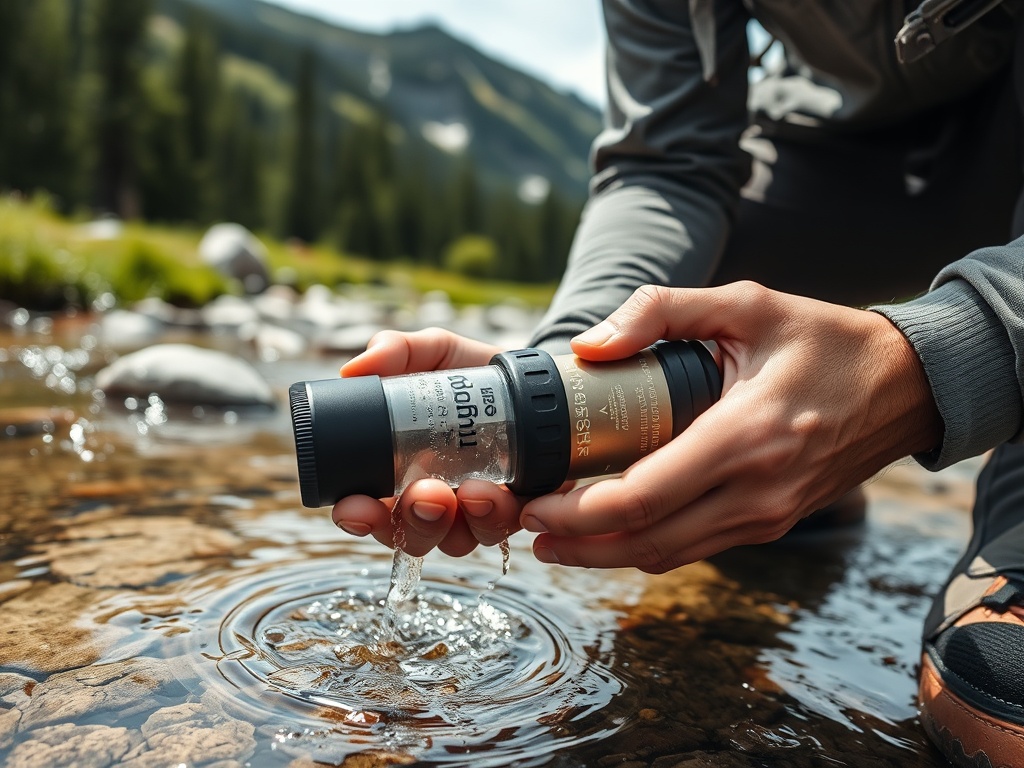
- Water system — filter or purification tablets
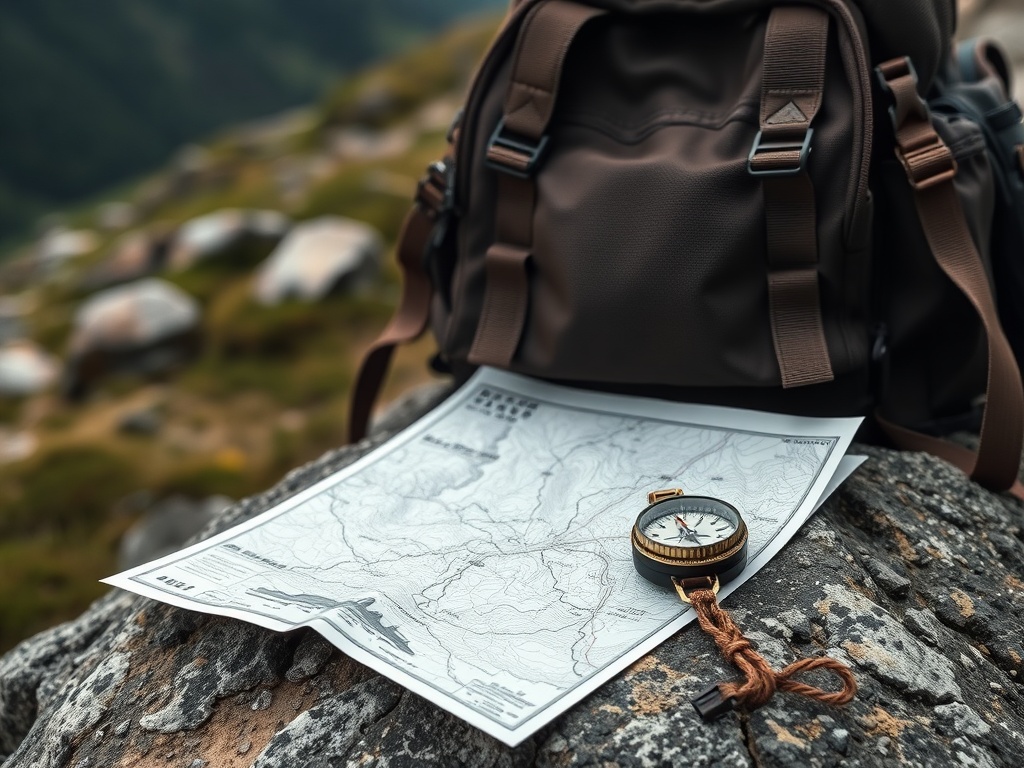
- Navigation — offline map + backup (not just your phone)
Nice to have
- Compact stove (only if fires aren’t allowed)
- Headlamp with spare batteries
- Small repair kit
What you can skip? Excess clothing, oversized packs, and anything you brought “just in case.” That mindset will weigh you down—literally.
Water: Your Quiet Priority
Nothing ends a trip faster than bad water planning.
Always assume natural water needs treatment. Even clear mountain streams can carry bacteria.
Carry enough to reach your next source, and always have a backup method. Filters fail. Tablets don’t.
Fire, Cooking, and Reality
Campfires are optional. Warm food isn’t.
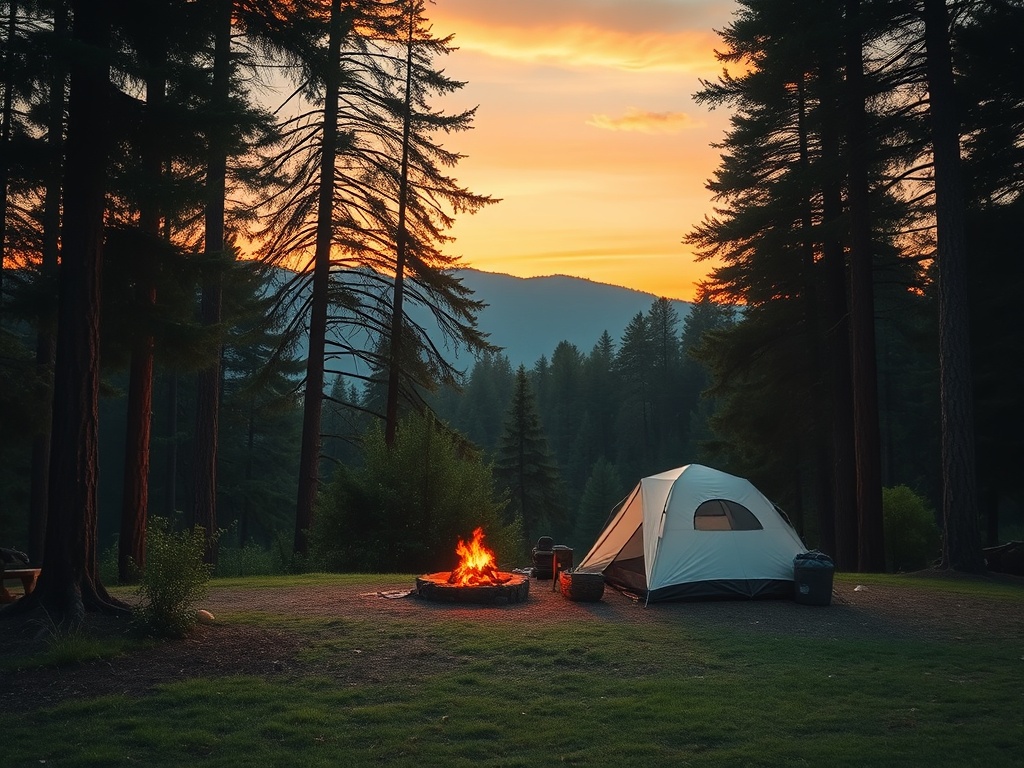
In many places, fires are restricted or outright banned. Even where they’re allowed, they require time, skill, and responsibility.
A small stove is predictable. Fire is not.
If you do build a fire:
- Keep it small
- Use existing fire rings if possible
- Extinguish it completely—cold to the touch
Most experienced wild campers rely on stoves and treat fires as a bonus, not a plan.
Safety: The Stuff People Avoid Talking About
Wild camping is safe—until it isn’t. The risks are manageable if you respect them.
Weather
Weather changes fast, especially in mountains. Always check forecasts and plan exit routes.
Wildlife
Most animals avoid humans. Your job is to give them no reason not to.
- Store food away from your sleeping area
- Keep a clean camp
- Know the local wildlife basics
Navigation mistakes
This is the most common issue. People rely on phones, lose signal, and then guess.
Don’t guess. Stop, assess, and retrace.
Leave No Trace Isn’t Optional
If wild camping becomes popular without responsibility, it gets banned. It’s that simple.
Follow core principles:
- Pack out everything
- Minimize camp impact
- Respect wildlife
- Avoid creating new fire scars
The goal is simple: no one should know you were there.
Your First Trip: Keep It Boring
Don’t make your first wild camping trip a survival challenge.
Pick a location:
- Close to your car or an easy exit
- With predictable weather
- That allows legal wild camping
Experience matters more than distance.
Your first successful night builds confidence. Your first miserable one builds hesitation.
The Real Reward
Wild camping isn’t about isolation. It’s about clarity.
You start noticing small things: wind direction, ground texture, how light changes before sunset. You become more deliberate.
And that carries over beyond camping.
The best wild campers aren’t the ones with the most gear. They’re the ones who make better decisions.
Start simple. Stay observant. Adjust fast.
That’s the whole game.