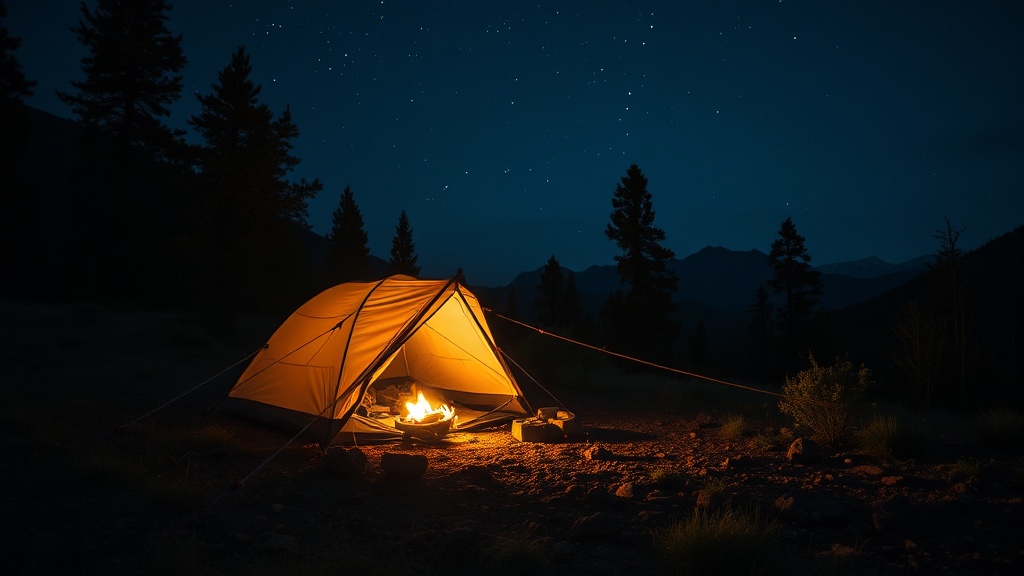
Wild Camping for Beginners: What Actually Matters Your First Night Out

Most beginner advice about wild camping is either overly romantic or aggressively technical. You don’t need either. What you need is a clear understanding of what actually matters when you’re alone, outside, and responsible for your own comfort and safety.
This isn’t a gear dump or a Pinterest fantasy. This is the real checklist—the things that make or break your first night.
Choosing a Campsite: Stop Overthinking It
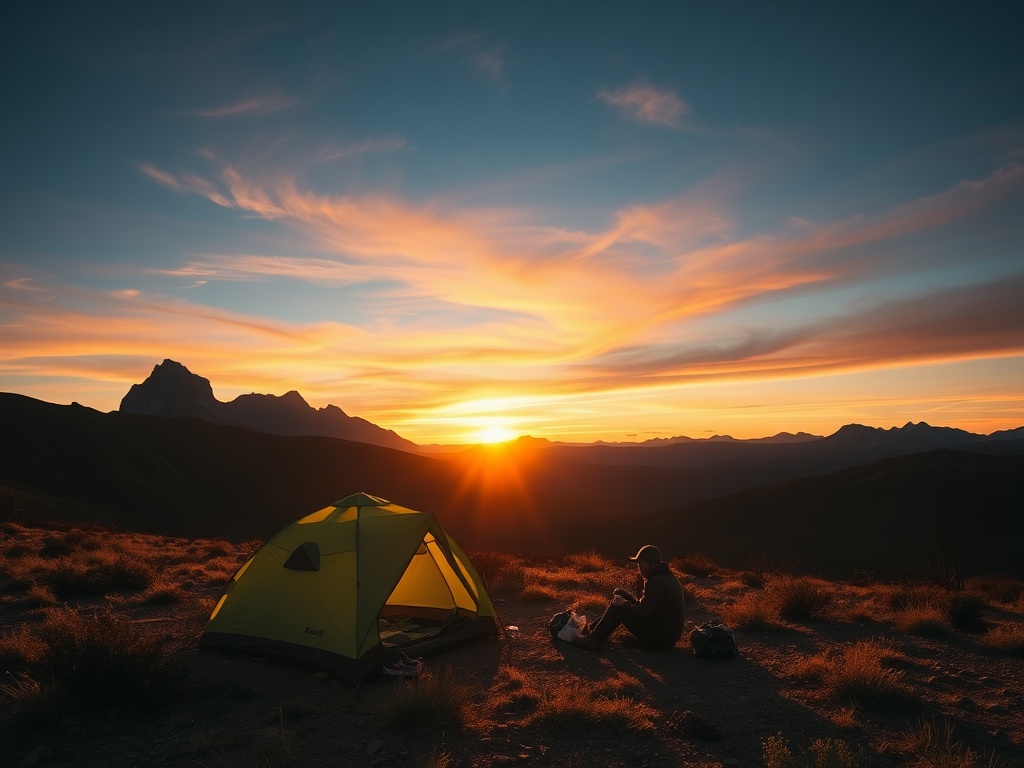
Beginners obsess over finding the “perfect” campsite. In reality, you need something that’s safe, flat, dry, and discreet. That’s it.
Look for slightly elevated ground so rain doesn’t pool under you. Avoid valleys where cold air settles overnight. Stay out of obvious animal paths—if it looks like a trail but isn’t on your map, it probably belongs to wildlife.
And ignore the Instagram urge to camp right on a cliff edge. Wind exposure is the fastest way to ruin your night.
Shelter: Your Setup Matters More Than Your Tent
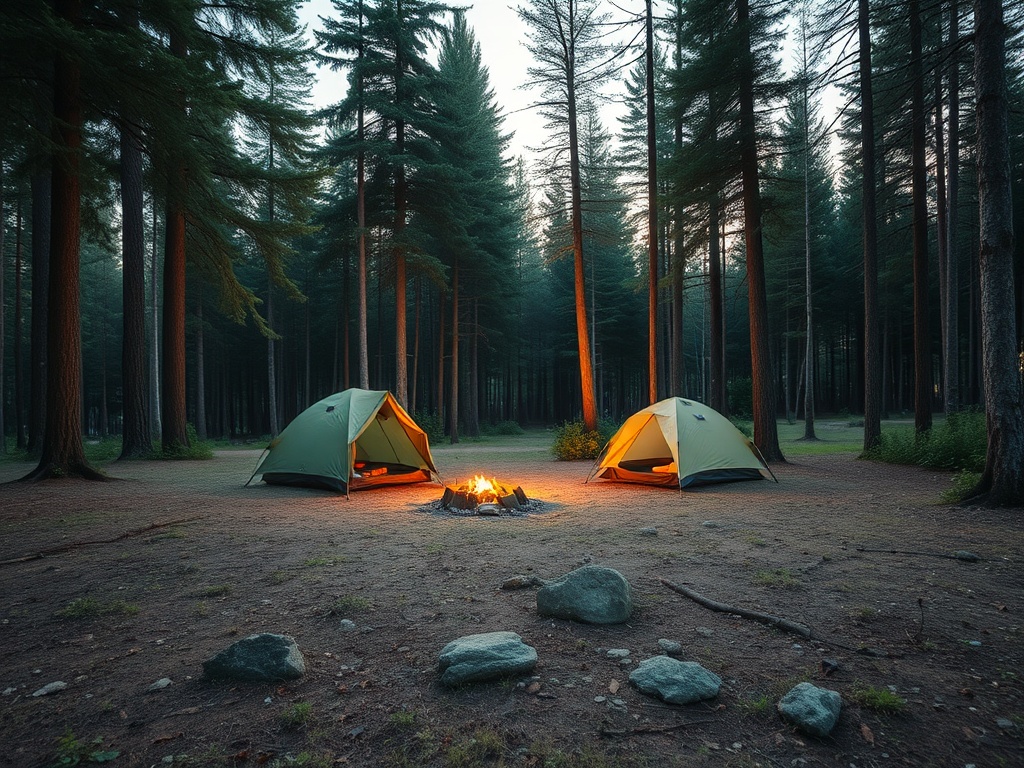
You don’t need the most expensive tent on the market. You do need to know how to pitch it properly.
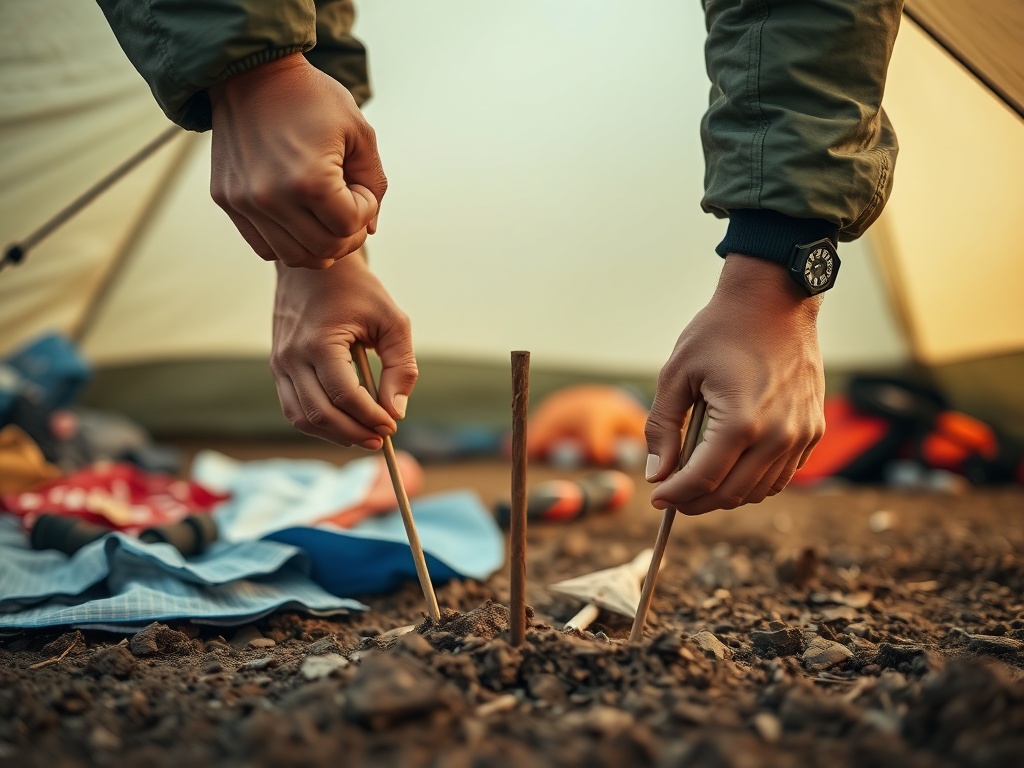
A cheap tent set up well will outperform a premium one pitched badly. Practice at home. Know how your stakes work in different ground types. Learn how to tension your rainfly so water actually runs off instead of pooling.
If conditions are mild, even a tarp setup can work. But only if you understand wind direction and drainage. Guessing here leads to a wet, miserable night.
Sleep System: This Is Where Most People Fail
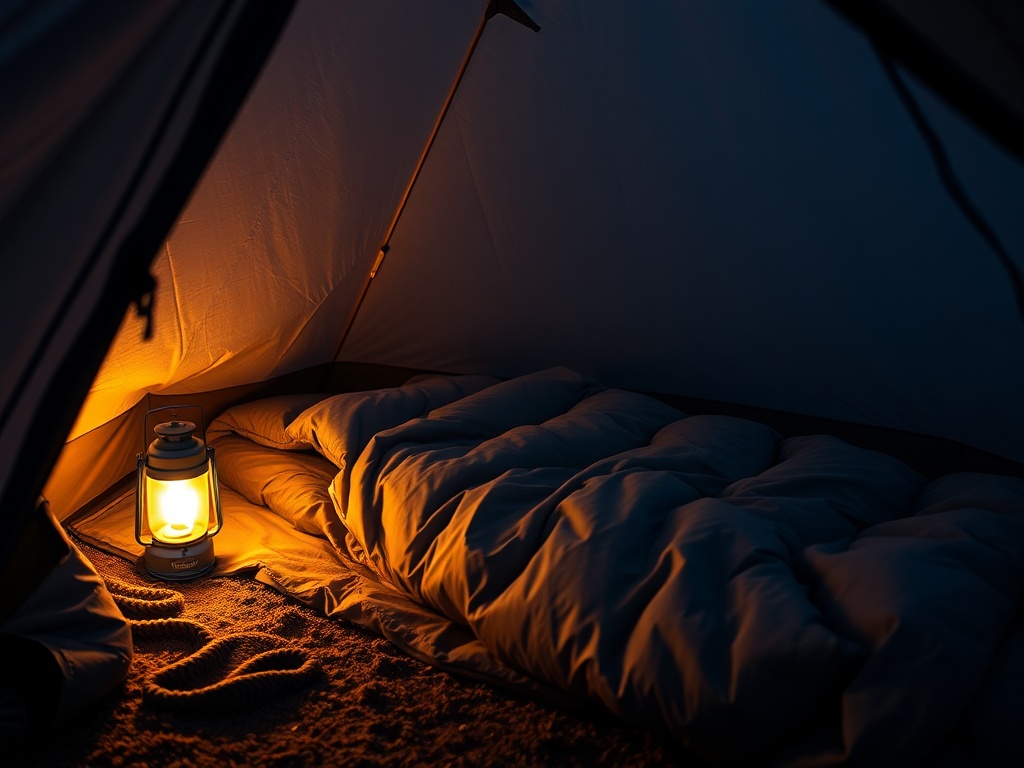
If you’re cold, you won’t sleep. If you don’t sleep, everything feels worse.
Your sleeping bag rating is not a comfort guarantee—it’s a survival baseline. Always assume you’ll need more insulation than advertised.
The real upgrade is your sleeping pad. Ground cold will drain your body heat faster than air temperature. A decent insulated pad is the difference between “this is fun” and “I regret everything.”
Add a simple trick: sleep in dry clothes only. Even slightly damp fabric will make the night colder than expected.
Food and Water: Keep It Boring
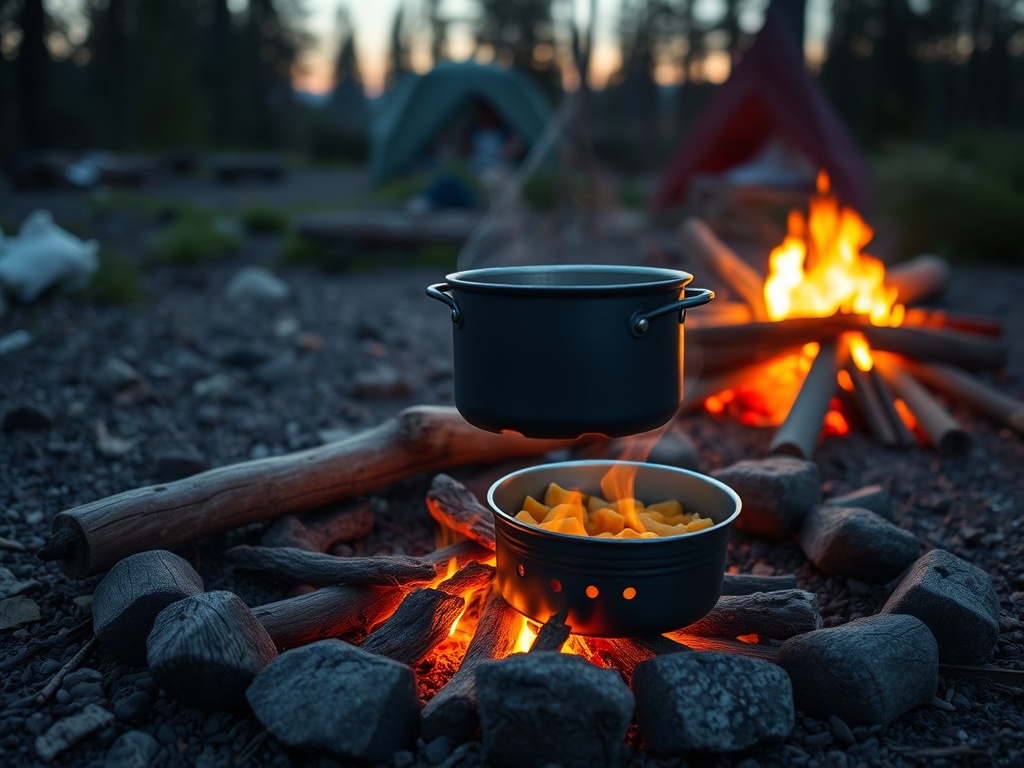
Your first trip is not the time to experiment with elaborate camp cooking. Bring food that’s easy, reliable, and requires minimal cleanup.
- Ready meals or dehydrated packs
- Simple snacks like nuts, jerky, and bars
- More calories than you think you need
Water matters more than food. Always know your source ahead of time. If you’re filtering from a stream, carry a backup method—tablets or boiling.
Running out of water turns a small mistake into a serious problem quickly.
Navigation: Don’t Trust Your Phone Alone
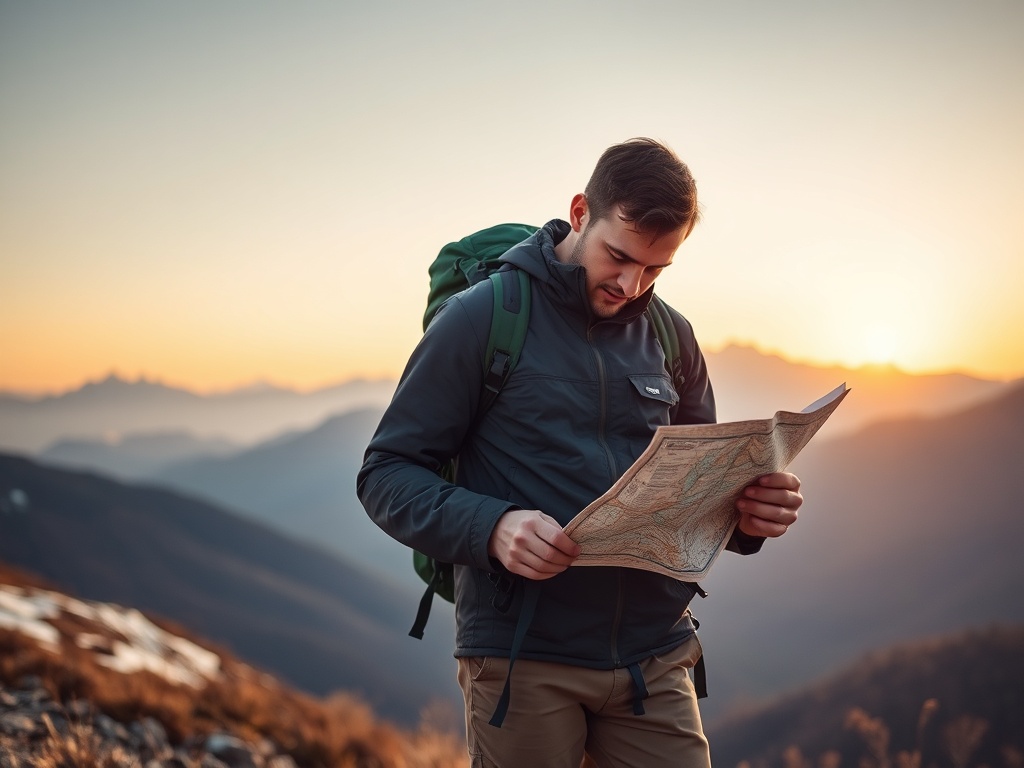
Phones die. Signals disappear. Cold drains batteries faster than you expect.
Carry a physical map or download offline maps before you go. Know your route well enough that you’re not relying on constant GPS checks.
The goal isn’t to become a navigation expert overnight. It’s to avoid the very basic mistake of not knowing how to get back.
Weather: The Quiet Trip Killer
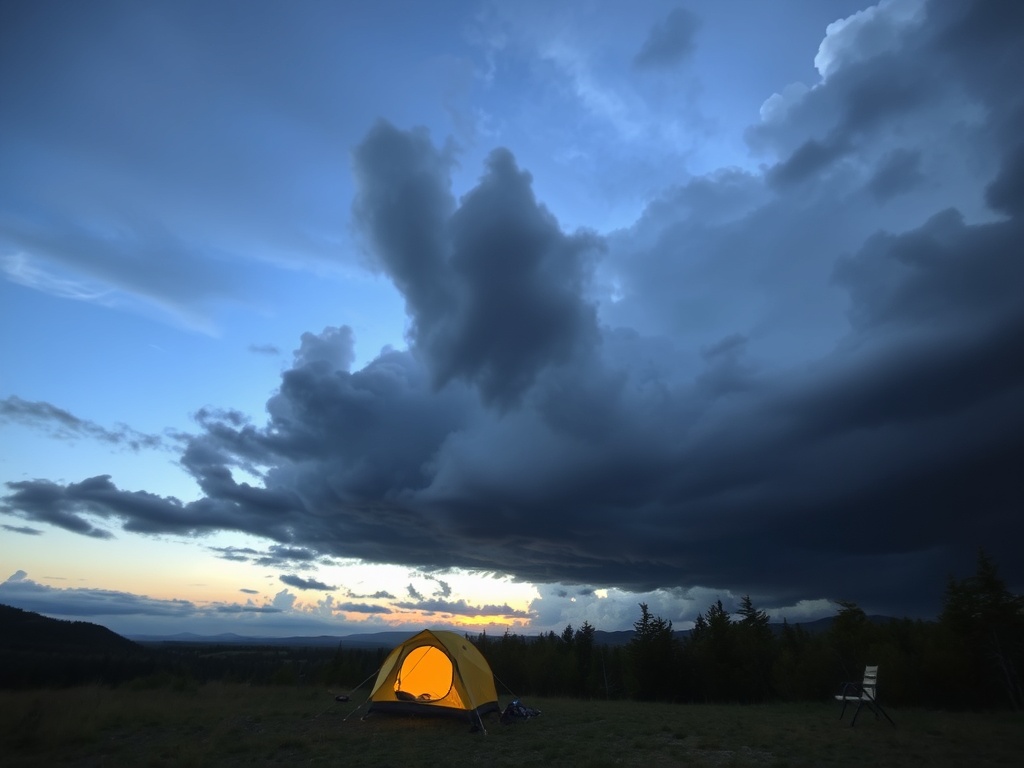
Most bad experiences in wild camping come down to weather that wasn’t taken seriously.
Check forecasts from multiple sources. Pay attention to wind and overnight temperature drops—not just daytime highs.
If conditions look questionable, scale back your plans. There’s no prize for pushing through a storm on your first trip.
Safety: Calm, Not Paranoid
You don’t need to pack like you’re heading into a survival show. But you do need a few basics:
- Headlamp with extra batteries
- Basic first aid kit
- Knife or multi-tool
- Emergency layer
Tell someone where you’re going and when you’ll be back. That single step matters more than most gear choices.
Wild animals are rarely the issue. Poor decisions are.
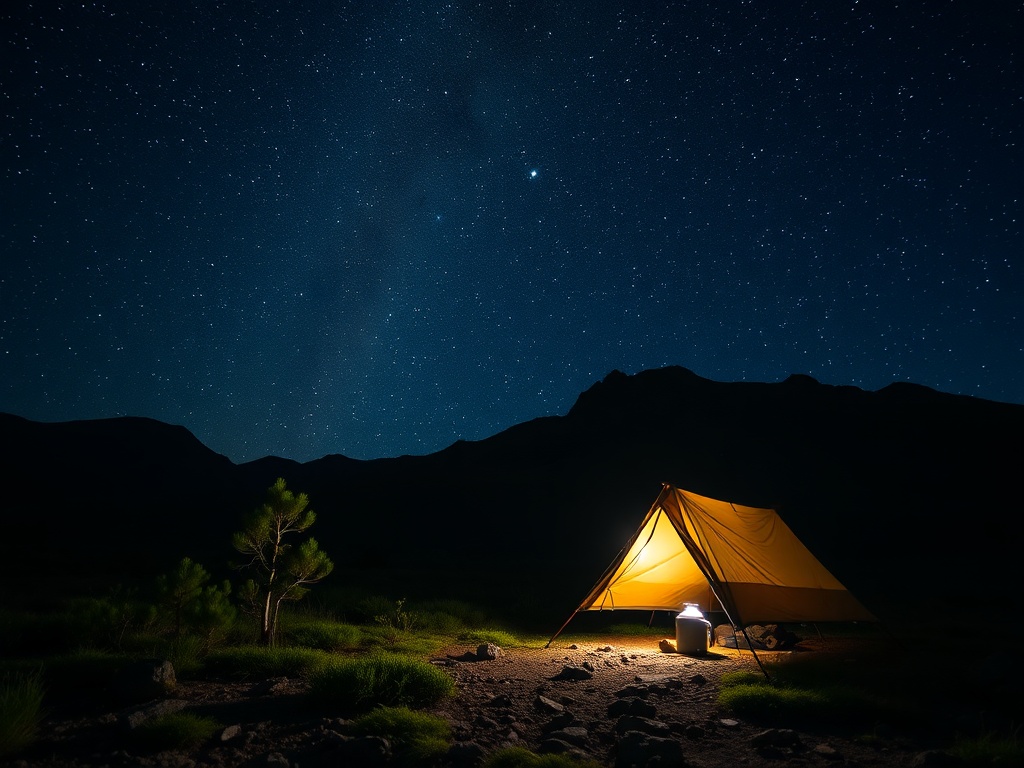
The Mental Side: Expect Discomfort
Your first night won’t feel natural. Every sound will seem louder. Every shadow will feel like something watching you.
This is normal.
The discomfort fades faster than you expect—usually within a few hours. What matters is staying calm and sticking to simple routines: eat, set up camp, settle in.
By morning, the same place that felt intimidating will feel completely manageable.
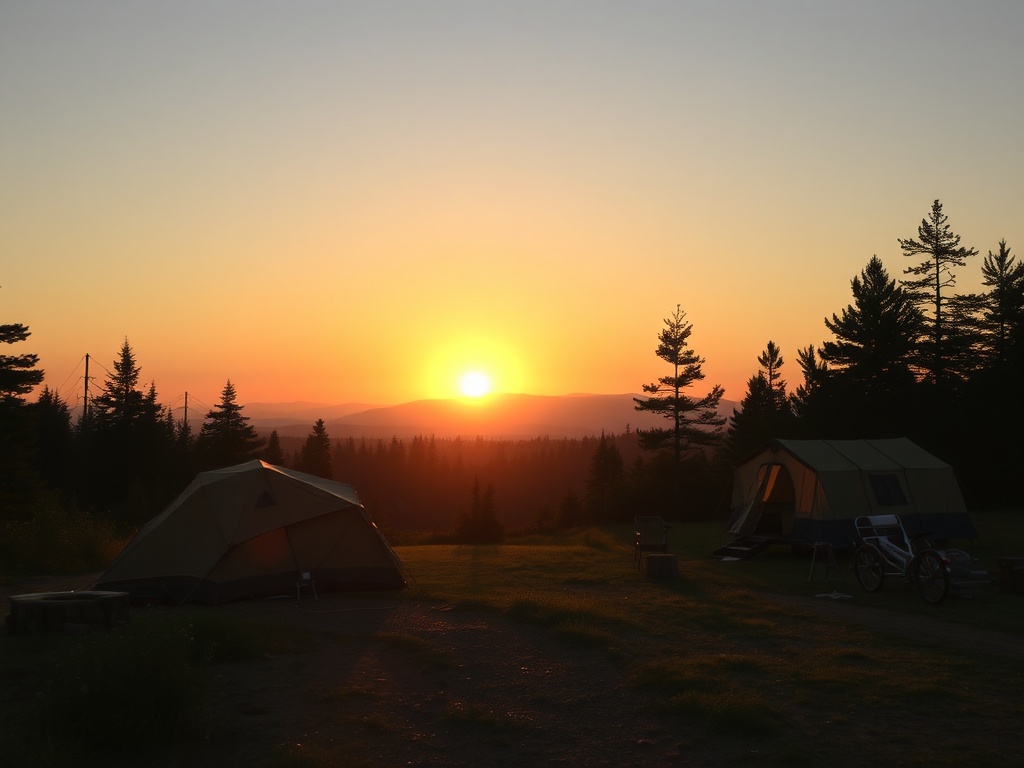
What Actually Matters (And What Doesn’t)
Beginners often focus on the wrong things: brand-name gear, perfect locations, or complicated setups.
What actually matters is simpler:
- Staying dry
- Staying warm
- Knowing where you are
- Having enough water
Everything else is optional, adjustable, or learned over time.
Your first trip isn’t about perfection. It’s about proving to yourself that you can do it—and realizing it’s far less complicated than it looks.
After that, you can start refining. But the foundation is always the same: simple, deliberate, and a little uncomfortable.
That’s wild camping.