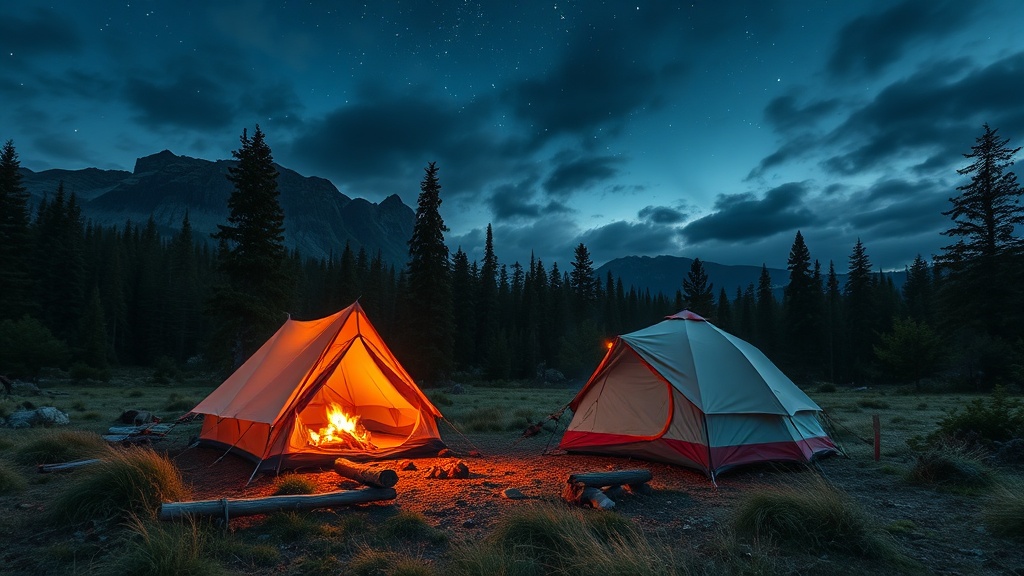
The Ultimate Guide to Wild Camping Adventures: Tips and Planning

Introduction to Wild Camping
Wild camping offers adventurers the unique opportunity to connect with nature in a raw, untamed way. It involves camping in areas outside of formal campsites, where you’re at the mercy of the elements and truly immersed in the environment. Whether you're a seasoned hiker or a beginner looking to escape the hustle of everyday life, wild camping can provide a fulfilling and thrilling experience. In this guide, we’ll explore the essential tips, tricks, and planning techniques to make your wild camping adventure a success.
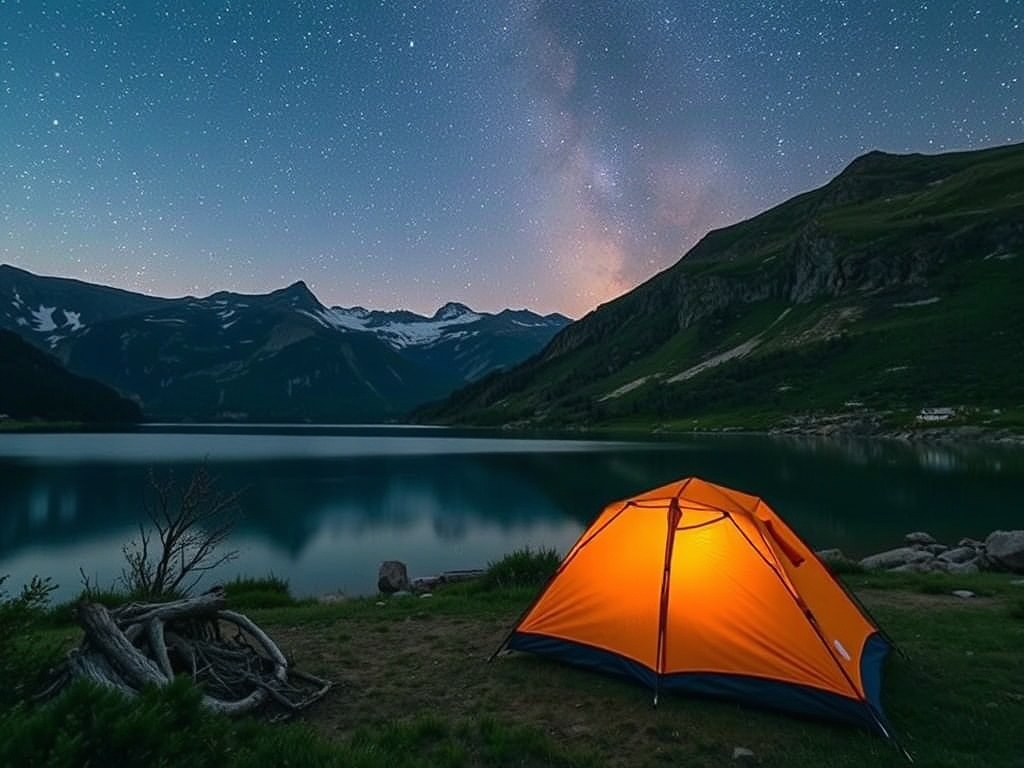
Choosing the Perfect Wild Camping Location
One of the first and most important decisions when embarking on a wild camping trip is choosing your location. Unlike established campsites, wild camping allows for a variety of locations, from mountains to forests to coastlines. When selecting your spot, consider the following:
- Weather Conditions: Make sure to check the weather forecast before you head out. Wild camping can be especially challenging in harsh weather, so it's best to plan accordingly.
- Terrain and Accessibility: Choose a location that’s not only scenic but also accessible. While remote spots are appealing, make sure you can get to them safely and have an exit strategy if necessary.
- Legal Considerations: Always ensure that wild camping is permitted in the area you’re considering. In some regions, camping outside of designated areas is prohibited.
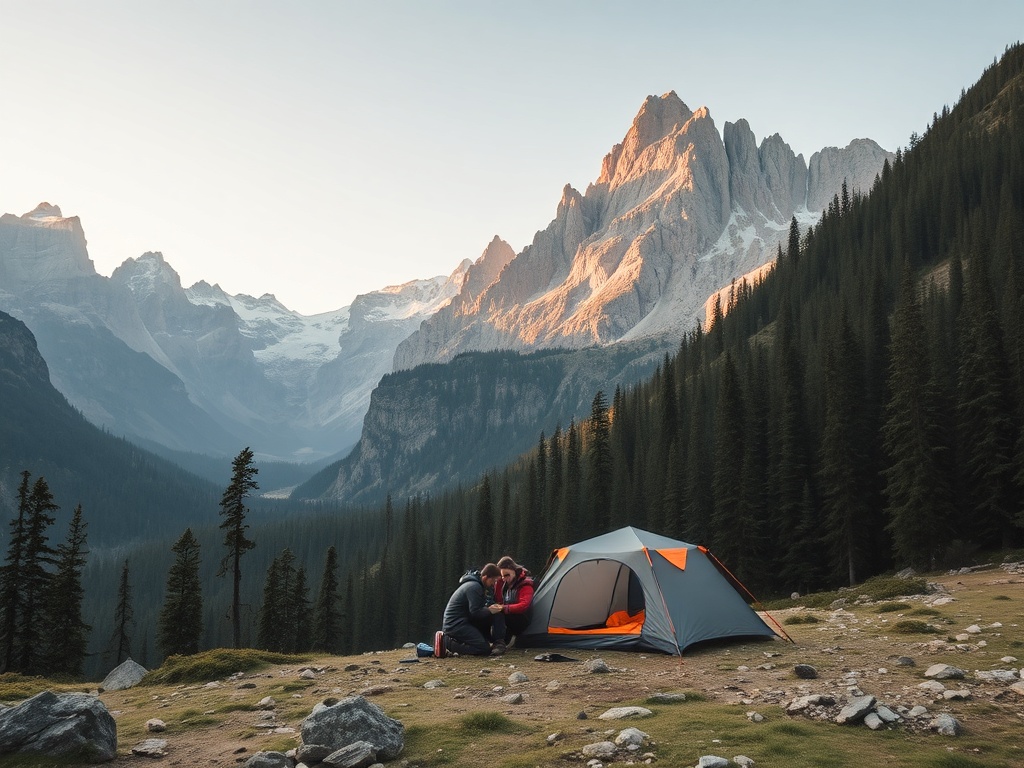
Essential Gear for Wild Camping
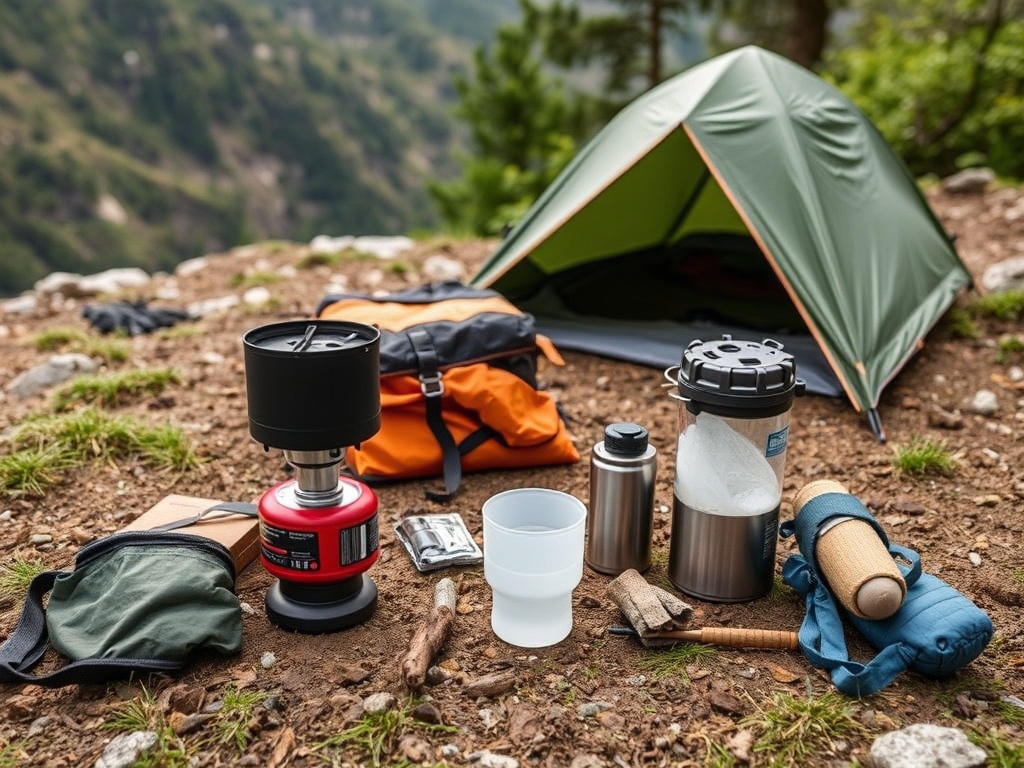
To have a successful wild camping experience, packing the right gear is crucial. Here’s a list of essential items you should bring on your adventure:
- Backpack: A durable, comfortable backpack is key to carrying your gear. Choose one with adjustable straps and plenty of compartments to organize your items.
- Tent: Your shelter is one of the most important aspects of wild camping. Make sure to select a lightweight tent that is easy to set up and can withstand the elements.
- Sleeping Bag and Pad: A high-quality sleeping bag suited to the weather conditions is essential. Pair it with a sleeping pad for added comfort and insulation from the cold ground.
- Cooking Equipment: A portable stove or cooking system, along with lightweight cookware, will allow you to prepare meals. Don’t forget fuel!
- Water Filtration System: Wild camping often means relying on natural water sources. A reliable water filtration system ensures you can drink safely from streams, rivers, or lakes.
- Clothing: Be prepared for changing weather. Pack moisture-wicking clothes, waterproof gear, and layers to adjust to different temperatures.
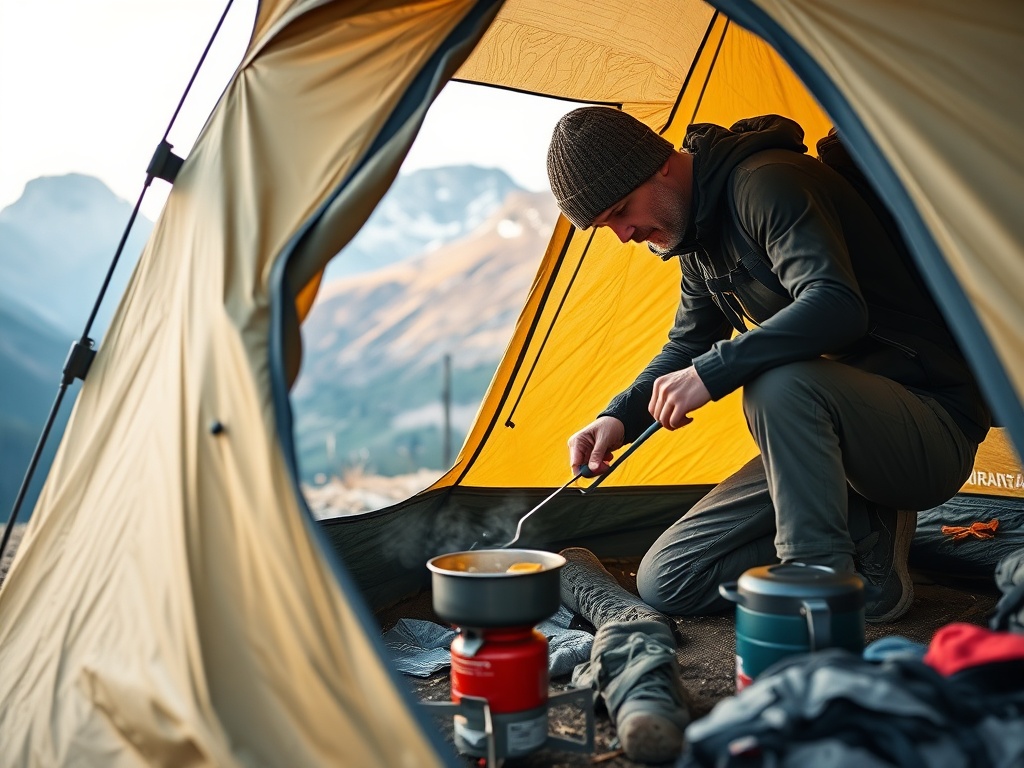
Planning Your Wild Camping Trip
Effective planning is the key to a safe and enjoyable wild camping experience. Here are a few tips for planning your wild camping adventure:
- Research Your Location: Learn as much as you can about the area. Know the best routes, possible hazards, and available water sources. This will make your trip much smoother and safer.
- Leave a Trip Plan: Always let someone know your itinerary and expected return time. This is an essential safety precaution.
- Pack Smart: Limit your gear to the essentials. Overpacking can lead to discomfort and unnecessary weight. Make sure everything you bring serves a purpose.
- Check Local Regulations: Familiarize yourself with the regulations of the area you're visiting, including campfire rules and waste disposal protocols.
Wild Camping Safety Tips
While wild camping offers incredible freedom and adventure, safety should always be a priority. Here are some critical safety tips to keep in mind:
- Wildlife Awareness: Be aware of local wildlife and take steps to prevent encounters. Store food securely and make noise when hiking to avoid surprising animals.
- Navigation Skills: Always carry a map and compass or a GPS device. Know how to use them before heading out into unfamiliar terrain.
- Weather Preparedness: Wild camping can expose you to extreme weather conditions. Be prepared for rain, wind, and cold, and always check the forecast before setting out.
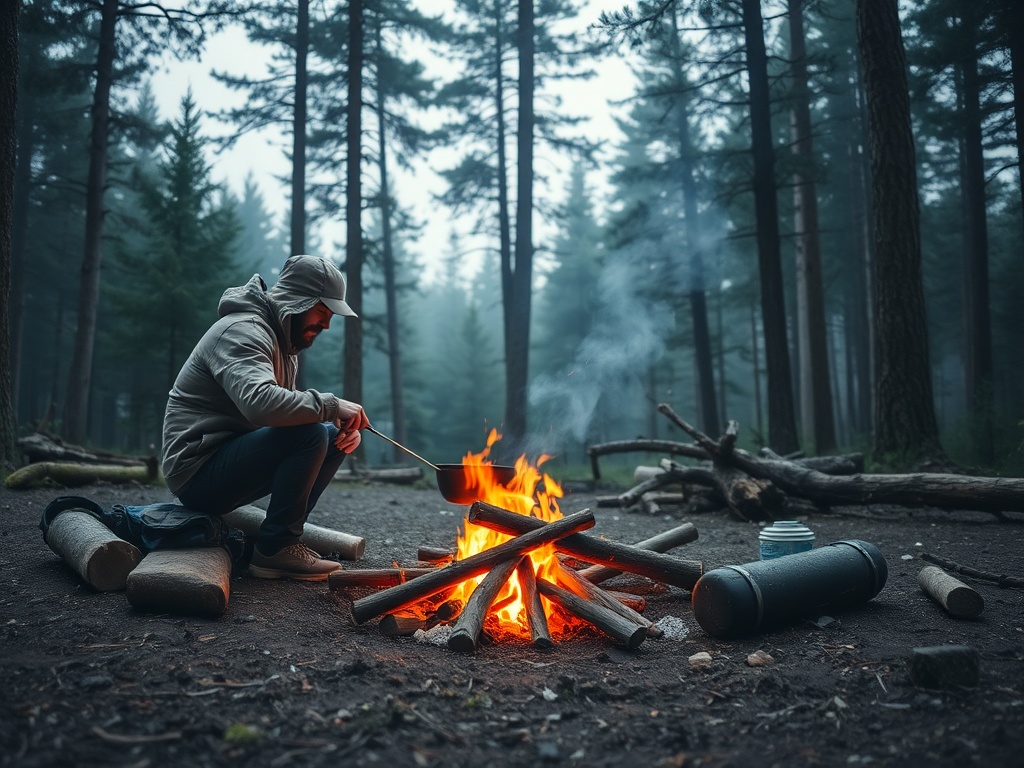
- Fire Safety: If campfires are allowed, ensure you know how to safely build and extinguish one. Never leave a fire unattended and fully extinguish it before sleeping.
Conclusion
Wild camping is an incredible way to explore nature and experience adventure at its finest. With the right planning, gear, and safety precautions, you can enjoy the beauty of the wilderness and create lasting memories. Whether you're new to wild camping or a seasoned pro, these tips will help you have a safe, enjoyable, and unforgettable trip.