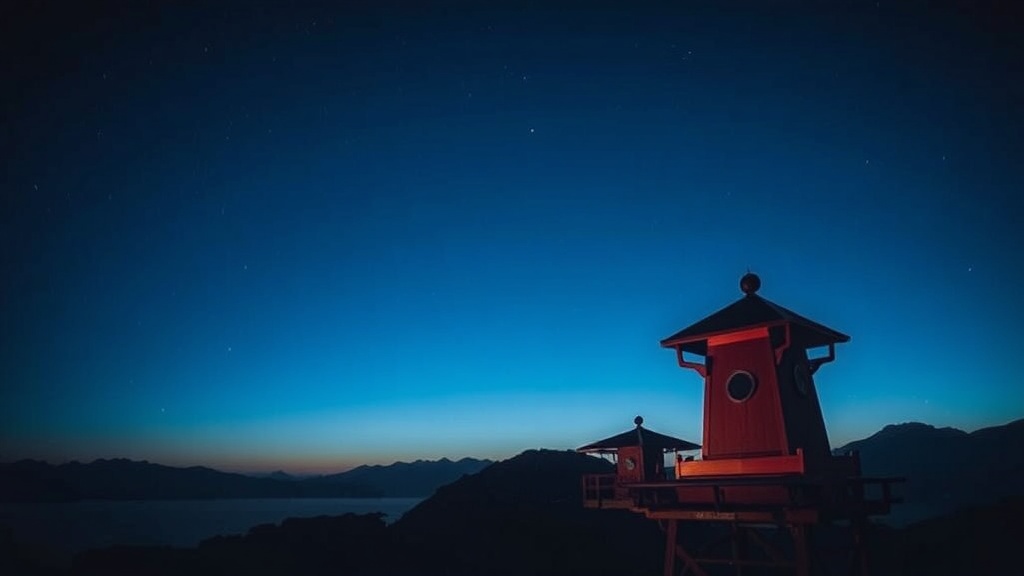
Navigating Nightfall with Minimalist Light Systems

The sun drops below the jagged horizon of the Santa Catalina Mountains, and suddenly, the world turns a bruised shade of violet before plunging into total darkness. In the wilderness, light isn't just a convenience; it's your primary tool for safety, navigation, and basic human function. This post breaks down how to build a lightweight, efficient lighting kit that won't weigh down your pack while ensuring you aren't fumbling in the dark when the temperature drops.
Most people overpack for light. They bring a massive lantern, three different flashlights, and a heavy battery bank, only to realize the lantern is too bulky to hang from a tent pole. A minimalist approach relies on versatility and high-quality lumens rather than sheer volume. You need gear that serves multiple purposes—from reading a map to setting up a camp stove—without adding unnecessary ounces to your kit.
What are the best types of light for wild camping?
The best light setup for wild camping involves a combination of a high-lumen headlamp for hands-free work and a small, dimmable lantern for ambient area lighting.Petzl headlamp series because they are incredibly reliable in harsh conditions.
When building your kit, think about these three distinct categories:
- Task Lighting: This is your headlamp. It needs to be bright enough to see a trail underfoot but dimmable so you don't blind yourself while looking at a map.
- Ambient Lighting: This is for your tent or the area around your cooking station. A small, rechargeable LED lantern works best here.
- Emergency/Secondary Lighting: A tiny, lightweight keychain light or a backup flashlight tucked in a side pocket.
Don't forget that light temperature matters. A "warm" light (yellowish) is much easier on the eyes during late-night sessions than a "cool" blue light, which can mess with your circadian rhythm and make it harder to sleep. If you're camping in damp or high-altitude environments, make sure your gear is rated for moisture. You can learn more about maintaining gear integrity in my post on how to dry your gear quickly in damp climates.
How much weight should a minimalist light kit weigh?
A truly minimalist light kit should weigh less than 8 ounces (about 225 grams) in total. Most modern, high-end headlamps weigh between 2 and 3 ounces, leaving you plenty of room for a small lantern and a spare set of batteries or a charging cable.
If you're weighing your gear and realize your lighting setup is over a pound, you've gone too far. You aren't a search-and-rescue team; you're a solo camper. Here is a quick comparison of common lighting options to help you decide what fits your weight budget:
| Gear Type | Average Weight | Primary Use | Versatility |
|---|---|---|---|
| Standard Headlamp | 3 oz | Hands-free movement | High |
| LED Lantern | 4-6 oz | Tent/Camp ambient light | Medium |
| Smartphone Light | 0 oz (carried) | Emergency only | Low |
| Compact Keychain Light | 0.5 oz | Quick tasks/Emergency | Medium |
The weight of your gear can drastically change how much energy you spend on the trail. This is especially true if you are trekking through high-altitude peaks where every ounce counts toward your stamina. A heavy, bulky lantern is a liability when you're climbing a steep ridge.
How do I choose the right lumens for my needs?
You should look for a headlamp with at least 200 to 300 lumens for general camp use and a higher setting (500+ lumens) for navigating difficult terrain at night. Lumens represent the total amount of light emitted; higher numbers mean a brighter, more intense beam.
It's easy to get caught up in the "spec wars" and buy a 1000-lumen beast, but that's often overkill. A super bright light can actually be a disadvantage. It creates high-contrast shadows that make it harder to see depth, and it's incredibly jarring if you're trying to find something in your bag at 2:00 AM. A light that can dim down to a low "moonlight" setting is actually more valuable than one that only has an "on" and "off" switch.
When choosing your gear, keep these three factors in mind:
- Beam Type: Do you want a focused spot beam (for seeing far ahead) or a wide flood beam (for seeing your immediate surroundings)?
- Battery Type: Lithium-ion rechargeable batteries are the standard, but if you're going deep into the wilderness, having a backup set of AA batteries can be a lifesaver.
- IP Rating: Check the Ingress Protection (IP) rating. You want at least an IPX4 rating to ensure your light won't die the first time it gets caught in a light drizzle.
The catch with high-lumen lights is the battery drain. If you run a 500-lumen beam constantly, you'll kill your batteries in a matter of hours. This is why I always recommend a light with multiple modes. Use the low setting for reading or cooking, and save the high-intensity mode for when you're actually moving through the dark.
"Light is a tool, not a luxury. In the backcountry, your ability to see determines your ability to react to the environment."
One thing I've learned the hard way: never rely solely on your phone's flashlight. It's a terrible habit. It's bad for your eyes, it drains your phone's battery (which you need for GPS/maps), and it's impossible to use while you're trying to pitch a tent or cook a meal. A dedicated headlamp is non-negotiable.
If you're setting up camp in a remote area, consider how your light interacts with your surroundings. If you're near a stream or in a dense forest, your light might reflect off surfaces in ways that disorient you. Always test your gear in your backyard or a local park before you head into the deep woods. You don't want to be discovering that your "waterproof" headlamp is actually a "water-resistant" headlamp while a thunderstorm is rolling in.
The goal isn't to carry the most gear. The goal is to carry the right gear. A single, high-quality headlamp and a tiny, rechargeable lantern will serve you much better than a heavy bag full of cheap, unreliable flashlights. Keep it simple, keep it light, and always keep your eyes on the trail.
Steps
- 1
Audit Your Current Lighting Inventory
- 2
Prioritize Lumens vs. Weight
- 3
Test Battery Longevity in Cold Conditions
- 4
Pack Red-Light Mode for Preserving Night Vision