Lightweight Gear Strategies for Long Distance Trekking

The Multi-Use Philosophy
Downsizing Your Kitchen Kit
Selecting High-Performance Fabrics
The Minimalist Sleeping System
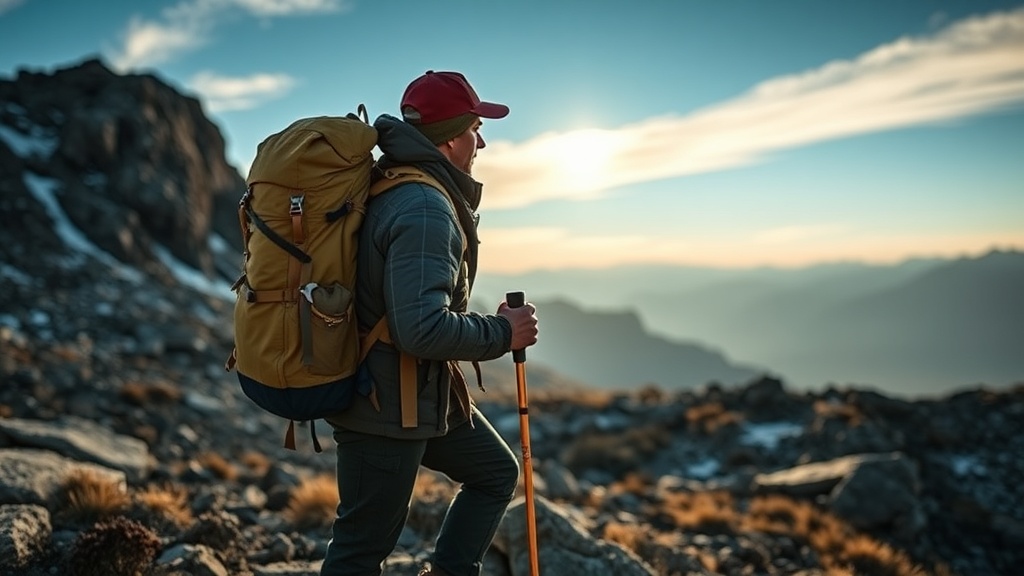
Imagine you're five days into a thru-hike through the High Sierra. Your feet ache, your shoulders are bruised from your pack straps, and every single ounce feels like a pound. This is the reality of long-distance trekking where weight isn't just a number—it's your physical stamina. This post breaks down specific methods for reducing your base weight, from gear selection to packing logic, so you can actually enjoy the trail instead of just surviving it.
How Do I Reduce My Base Weight?
Reducing your base weight requires a strict focus on "big three" items: your shelter, sleep system, and backpack. Most hikers carry too much bulk because they prepare for every possible weather event instead of the actual conditions they'll face. If you want to go light, you have to stop buying gear and start auditing what you actually use.
Start with the big three. A heavy canvas tent might feel sturdy, but it'll kill your pace on a 20-mile day. Switch to a lightweight waypoints system or a lightweight trekking pole tent. For example, the Big Agnes Flyweight series offers a much better weight-to-durability ratio for long hauls.
Next, look at your sleep system. A heavy down comforter is great for a backyard camp, but it's too much for a thru-hike. Opt for a high-quality down quilt or a lightweight sleeping bag from brands like Therm-a-Rest. Quilts are often lighter because they strip away the unnecessary fabric of a traditional bag.
Don't forget your pack. A heavy, internal frame pack is great for heavy loads, but if you're aiming for ultralight, a lightweight frameless or light-frame pack will save you hundreds of grams. Just be sure you aren't sacrificing comfort for the sake of a few grams—your spine will thank you later.
The Hierarchy of Gear Reduction
I like to categorize gear by how much it actually impacts my energy levels. It’s not just about the weight; it’s about the volume and the mental fatigue of carrying it.
- The Big Three: Shelter, Pack, Sleep System. These are your biggest weight savers.
- Kitchen & Water: Stove, Pot, and Filtration. Moving from a heavy canister stove to a tiny Soto alcohol stove can save a lot of space.
- Clothing: Layers and footwear. Wear what you hike in; don't pack "just in case" outfits.
- Electronics: Lights, Power, and Navigation.
What Are the Best Lightweight Cooking Systems?
The best lightweight cooking systems prioritize minimal weight and high efficiency, usually involving a small canister stove and a single titanium pot. You don't need a full kitchen to eat a hot meal in the backcountry.
If you're a minimalist, a small BRS stove might be all you need. It's tiny, incredibly light, and fits in the palm of your hand. Pair that with a 750ml titanium mug from Snow Peak, and you've got a kitchen that weighs almost nothing.
One thing to watch out for is the fuel. Carrying multiple large fuel canisters is a weight trap. Instead, buy exactly what you need for the trip duration. If you're worried about water, remember that finding and sanitizing backcountry water is a skill that can actually save you weight by allowing you to carry less water at once. You can filter as you go rather than hauling a massive reservoir.
| Gear Type | Typical Weight (Grams) | Pros | Cons |
|---|---|---|---|
| Standard Jetboil | ~400g | Fast, easy | Heavy, bulky |
| Titanium Canister Stove | ~75g | Extremely light | Requires more technique |
| Alcohol Stove | ~30g | Cheapest, lightest | Slow to boil |
The catch? Lightweight gear often requires more skill. A titanium pot is light, but it can burn your food if you aren't careful with your heat management. (I've definitely scorched a few meals trying to be "efficient.")
How Much Should My Backpack Weigh?
A healthy base weight for a long-distance trekker typically falls between 10 and 15 pounds, excluding food, water, and consumables. While "ultralight" purists might aim for under 10 pounds, a 12-pound base weight is a solid, realistic goal for most people.
To figure out your target, subtract your "consumables" (food, water, fuel, and bear spray) from your total pack weight. If your pack weighs 35 pounds when you step out of your car, you're likely carrying too much.
Check your gear against the Wikipedia entry on ultralight backpacking to see the different philosophies. Some people swear by the "gram-counting" method, while others just want to be comfortable. There is no single right answer, but every ounce you remove is a gift to your future self.
One mistake I see constantly is the "just in case" mentality. You think, "What if it snows in July?" and suddenly you're carrying a heavy parka. Unless you're actually heading into a high-altitude blizzard, leave the heavy parka at home. Instead, carry a lightweight layer like the Patagonia Nano Puff. It provides warmth without the massive weight penalty of a heavy fleece or wool jacket.
Also, consider your light systems. You don't need a massive lantern to see your tent. If you master navigating nightfall with minimalist light systems, you can swap a heavy lantern for a tiny, rechargeable headlamp and a single lightweight LED light. It makes a huge difference in your total pack volume.
When you're out there, weight isn't just about the numbers on a scale. It's about how your body feels at mile 18. If you've spent time auditing your gear and trimming the fat, you'll find that the trail feels a lot less daunting. It’s a constant process of refining—one less item at a time.